

A Comprehensive Guide to the 2008-2014 Honda CR-V Engine Coolant Thermostat
Address engine temperature problems in your CR-V by understanding how to diagnose and choose the right replacement thermostat.
- A P0128 check engine light code on a 2008-2014 CR-V almost always indicates a failed thermostat that is stuck open.
- Always use Genuine Honda OEM thermostats for this repair; aftermarket parts have a high failure rate and are not recommended.
- The replacement is a difficult DIY job due to very tight access to the lower bolt on the thermostat housing.
- Only use Honda Type 2 (blue) coolant when refilling the system to prevent damage.
Is Your CR-V's Thermostat Failing?

A faulty thermostat can cause noticeable problems with your vehicle's performance. For the 2008-2014 Honda CR-V, the most common failure is the thermostat getting stuck in the open position. This can happen gradually, leading to symptoms that are easy to ignore at first but can affect engine health and fuel economy over time.
Common Failure Symptoms
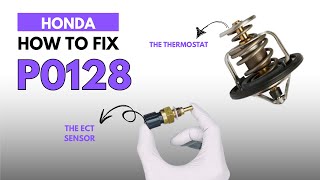
- Check Engine Light with Code P0128: This is the most definitive sign. The P0128 code means the engine's computer has detected that the coolant temperature is not reaching the expected level within a certain time. This is almost always caused by 🎬 Watch how to diagnose and fix the P0128 engine code. a thermostat that is stuck open or opening too soon.
- Temperature Gauge Drops: You might notice the temperature gauge on your dashboard falls from its normal position when you're driving at highway speeds or idling for a long time in cool weather.
- Poor Heater Performance: If the engine isn't getting hot enough, the hot coolant can't provide sufficient heat to the cabin. Your heater may blow lukewarm air or take a very long time to warm up.
Warning: Engine Overheating
While less common, a thermostat can also fail in the closed position. This is a much more serious problem. A stuck-closed thermostat prevents coolant from reaching the radiator, causing the engine to overheat rapidly. If you see your temperature gauge spike into the red, pull over immediately and shut off the engine to prevent catastrophic damage.
Choosing the Right Aftermarket Thermostat

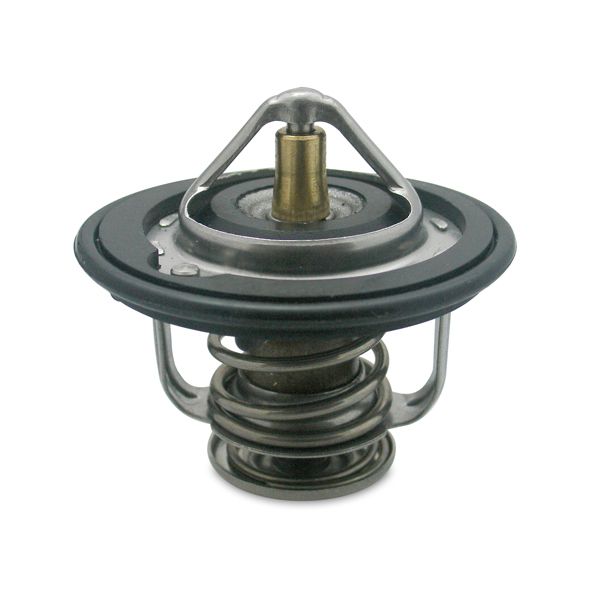
When replacing a critical component like a thermostat, part quality is paramount. While aftermarket options are available, the strong consensus among Honda technicians and experienced owners is to use a Genuine Honda OEM thermostat. Aftermarket parts have a higher reported failure rate and may not meet the precise temperature specifications, leading to repeat repairs.
- Tier 1 (Recommended): Genuine OEM Honda
The original part is designed specifically for your CR-V's engine and is proven to be reliable. This is the safest choice to ensure proper performance and longevity. Many are made by Nippon Thermostat. - Tier 2 (Acceptable Alternative): Gates or other OE Suppliers
Gates is a well-known manufacturer that supplies parts to many automakers. A thermostat from Gates can be a reliable alternative if the OEM part is not available, but it's still widely recommended to stick with Genuine Honda if possible. - Tier 3 (Use with Caution): Mishimoto, Calorstat, Store Brands
Mishimoto often produces parts for performance applications, including lower-temperature thermostats that are not suitable for a stock daily-driven CR-V, especially in colder climates. Other budget brands may offer a lower price but come with a significant risk of premature failure. Given the difficult installation, saving a few dollars on the part isn't worth the risk of doing the job twice.
Pro Tip: Check for Other Issues
If you have poor heat specifically from the driver's side vents, consult Honda's Technical Service Bulletin (TSB) 14-063. It notes that 2012-2014 CR-V models can suffer from a partially clogged heater core, which can mimic thermostat issues. Also, be aware of a known issue with a rusting heater pipe behind the intake manifold that can cause a 'mystery' coolant leak.
| Part/Service | Estimated Cost |
|---|---|
| New Aftermarket Thermostat | $15 - $95 |
| New OEM Honda Thermostat Assembly | $50 - $120 |
| Shop Labor | $150 - $250 |
| Honda Type 2 Coolant (2 Gallons) | $40 - $60 |
Frequently Asked Questions (FAQ)

Can I replace the CR-V thermostat myself?
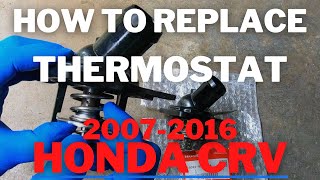
Yes, it is possible for a DIY mechanic, but it is a challenging job. The thermostat is located on the passenger side of the engine block, and access is very tight. You will need to remove the passenger wheel and splash shield. The bottom bolt on the thermostat housing is notoriously difficult to reach. 🎬 See this step-by-step walkthrough for replacing the thermostat assembly. The job requires draining the cooling system and properly bleeding it afterward, which is a critical step.
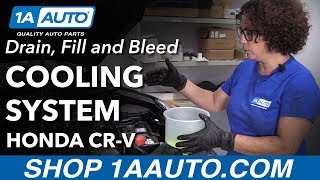
🎬 Learn how to properly drain, fill, and bleed the system.What coolant should I use for my 2008-2014 CR-V?
You must use Genuine Honda Long Life Antifreeze/Coolant Type 2. This is a blue-colored coolant specifically formulated for Honda aluminum engines. Using the wrong type of coolant can lead to corrosion and damage to the cooling system.
Is it okay to just replace the thermostat or should I get the whole housing?
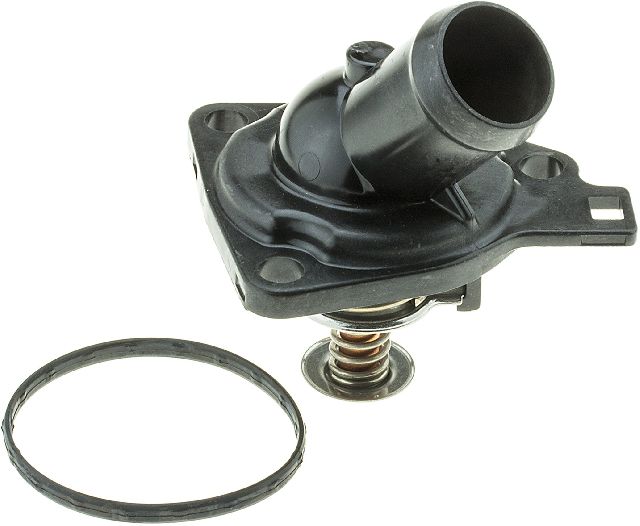
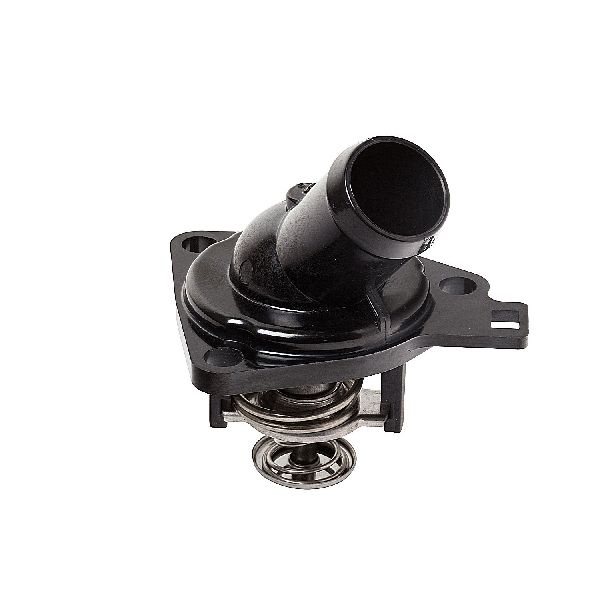
For this generation of CR-V, the thermostat is often sold as a complete assembly with the housing. Given the difficulty of the job, it is highly recommended to replace the entire assembly to ensure a perfect seal and prevent leaks from the old plastic housing.
My check engine light is on for code P0128. Is it definitely the thermostat?
While a faulty thermostat is the most common cause of a P0128 code, other potential issues include a faulty coolant temperature sensor, low coolant level, or air in the system. However, on the 2008-2014 CR-V, a thermostat stuck open is the culprit over 90% of the time.
Helpful Videos
Technical Specifications
OEM Part Numbers: 19301-RNA-306 19301-PNA-003
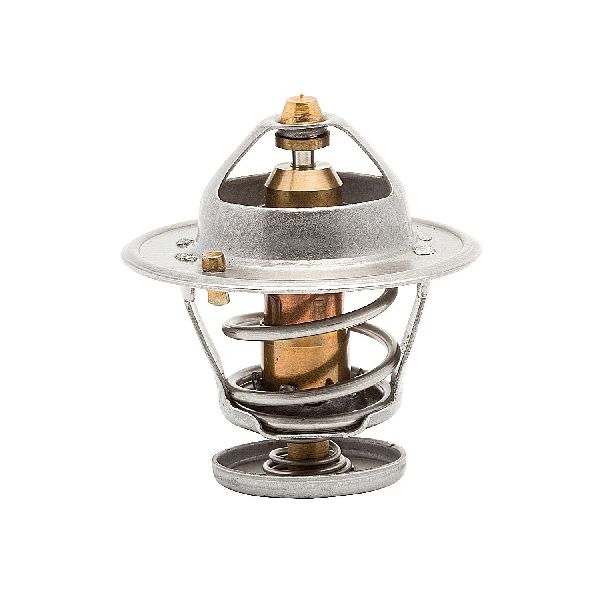
Opening Temperature: 172°F (78°C)
We Have This Part in Stock


The information in this article is provided for general reference and educational purposes only. Vehicle specifications, procedures, and part compatibility can vary by production date, trim level, and region. Always consult your vehicle's factory service manual and verify part numbers before purchasing or performing repairs. Safety-critical components such as airbags, seat belts, and braking systems should be installed by a qualified professional.
- Honda CR-V: