

A Comprehensive Guide to Oxygen Sensors for the 2008-2014 GMC Sierra 1500
Keep your truck running efficiently by understanding, diagnosing, and replacing your oxygen sensors.
- A bad oxygen sensor will trigger your Check Engine Light and hurt your fuel economy.
- Your Sierra V8 has four sensors; use a code scanner to identify the specific one that has failed.
- Choose a direct-fit sensor from a reputable brand like ACDelco, Denso, or NGK for best results.
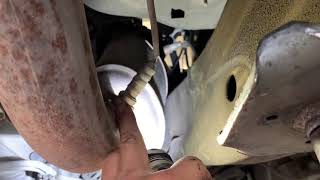
- Replacing a sensor is a feasible DIY job with the right tool (an O2 sensor socket), but rust can make it difficult.
Is Your Sierra's Oxygen Sensor Failing?

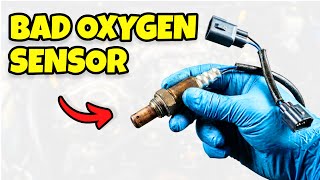
A bad oxygen sensor won't stop your truck in its tracks, but it will cause noticeable problems. Ignoring a failing sensor can lead to poor performance, wasted fuel, and potentially damage your expensive catalytic converter over time. Watch for these common signs of failure.
🎬 Watch: See these 5 common symptoms of a bad sensor.Common Failure Symptoms
- Check Engine Light: This is the most common sign. A code reader will often point to a specific sensor 🎬 Watch: How to diagnose O2 sensor codes P0053 and P0134. that's having a problem.
- Worse Gas Mileage: When a sensor fails, the engine's computer may default to a rich fuel mixture, causing you to use more gas.
- Rough Idle or Misfires: An incorrect air-fuel mixture can cause your engine to run poorly, especially at idle or low speeds.
- Failed Emissions Test: A bad O2 sensor is a common reason for failing a state emissions inspection.
- Rotten Egg Smell: A rich fuel mixture can overwhelm the catalytic converter, producing a sulfur-like smell from the exhaust.
Choosing the Right Aftermarket Oxygen Sensor

When shopping for a new oxygen sensor for your 2008-2014 Sierra, you'll find several brands. It's important to choose a quality, direct-fit part to avoid installation headaches and ensure reliability.
Brand Quality Tiers
Not all aftermarket brands are created equal. Here’s a breakdown of what to expect from the brands available for your truck:
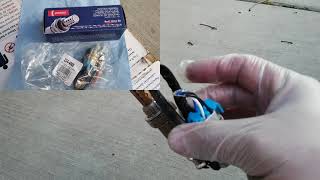
- Premium (OEM-Level Quality): ACDelco is the original equipment manufacturer (OEM) for GM, so their parts are a guaranteed match for quality and fit. Denso and NGK (NTK) are also top-tier OEM suppliers for many automakers and are highly trusted for their reliability and precision. Bosch is another premium brand known for engineering quality sensors, though some users in forums report mixed results with their non-OEM specific lines.
- Reputable Aftermarket: Delphi has strong OEM roots and is a solid choice. Walker Products is a well-known aftermarket brand that offers a good balance of value and performance, with many users reporting positive experiences.
- Economy: Brands like DriveWire are budget-friendly options. While they can work, they may not have the same longevity or rigorous quality control as premium brands. For a critical component like an O2 sensor, sticking with a more established brand is often worth the small extra cost.
Understanding Costs
The cost of replacing an oxygen sensor can vary based on the brand you choose and whether you do the work yourself or hire a professional.
| Part or Service | Estimated Cost |
|---|---|
| New Aftermarket Oxygen Sensor | $39.35 - $194.93 |
| New OEM Oxygen Sensor | $80 - $250+ |
| Shop Labor | $80 - $150 per sensor |
Frequently Asked Questions

How many oxygen sensors does my 2008-2014 Sierra have?
Most V8-equipped Sierra 1500s from this generation have four oxygen sensors: two upstream (one for each cylinder bank) and two downstream (one for each bank). It's important to identify which sensor is failing using an OBD-II scanner.
What's the difference between an upstream and a downstream sensor?
Upstream sensors (also called Bank 1, Sensor 1 or Bank 2, Sensor 1) are located before the catalytic converter and are critical for managing the engine's air-fuel mixture. Downstream sensors (Bank 1, Sensor 2 or Bank 2, Sensor 2) are after the converter and mainly check if the converter is working correctly. They are not interchangeable.
Can I replace just one oxygen sensor?
Yes. You only need to replace the sensor that has failed. However, oxygen sensors are often replaced in pairs (e.g., both upstream sensors) if they are the same age and have high mileage, as the other one may fail soon.
Do I need a special tool to replace an oxygen sensor?
While a standard 7/8-inch (22mm) wrench can sometimes work, it's highly recommended to use a special oxygen sensor socket. This socket has a slot for the wire to pass through, making it much easier to remove and install the sensor without damaging the wiring, especially in tight spaces.
Are there any recalls or TSBs for my Sierra's oxygen sensors?
Searches of the NHTSA database did not find any specific safety recalls for oxygen sensors on the 2008-2014 GMC Sierra 1500. A Preliminary Information bulletin (PIE0303) was issued for the 2014 model year to gather data on O2 sensor-related DTCs, but this was not a recall. Always check for blown fuses related to the O2 sensor circuits before replacing the sensors themselves.
Helpful Videos
Technical Specifications
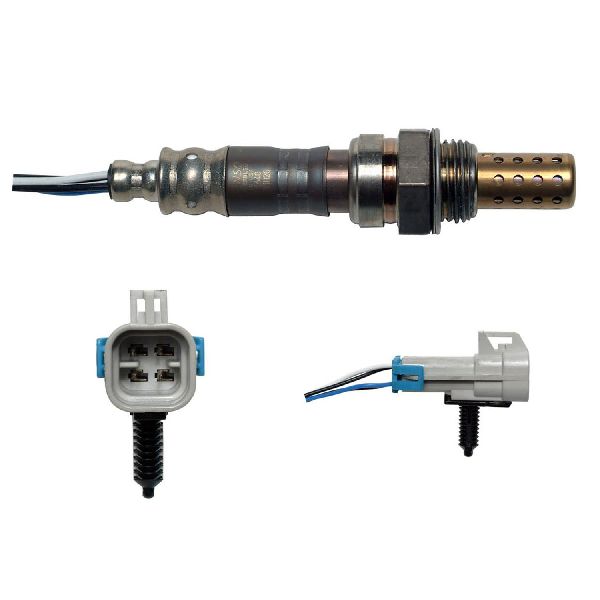
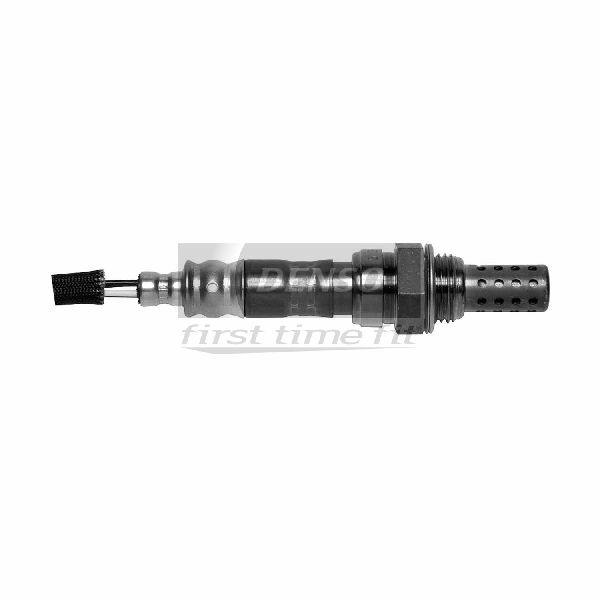
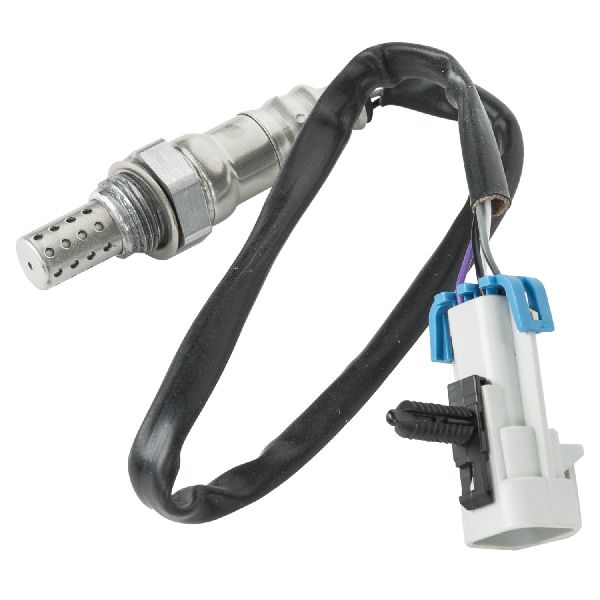
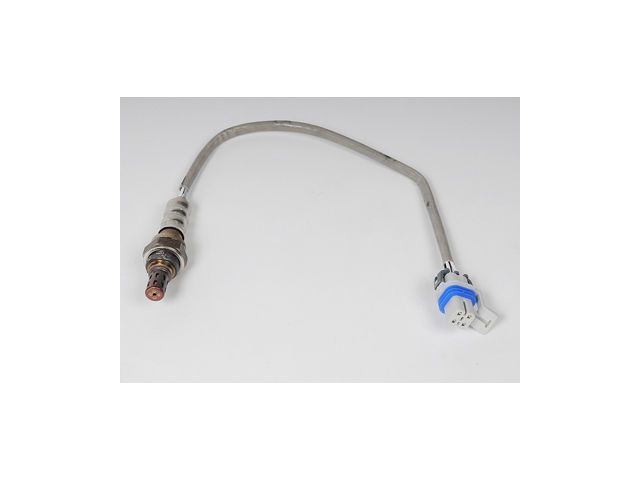
OEM Part Numbers: 12609457 12611165 234-4668 234-4256
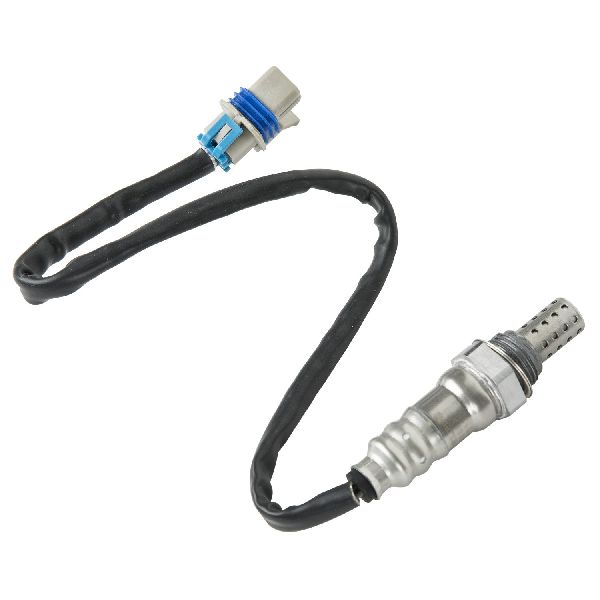
Most 2008-2014 GMC Sierra 1500 models use heated, 4-wire oxygen sensors. It is critical to confirm the correct part for your specific engine (4.3L, 4.8L, 5.3L, 6.0L, or 6.2L) and sensor location (upstream/downstream, bank 1/bank 2) before ordering.
We Have This Part in Stock


The information in this article is provided for general reference and educational purposes only. Vehicle specifications, procedures, and part compatibility can vary by production date, trim level, and region. Always consult your vehicle's factory service manual and verify part numbers before purchasing or performing repairs. Safety-critical components such as airbags, seat belts, and braking systems should be installed by a qualified professional.
- GMC Sierra 1500: