

Guide to Replacing the Oxygen Sensor on a 2008-2013 BMW 325i
Understand the symptoms of a failing O2 sensor and learn how to choose the right aftermarket replacement for your N52 engine.
- For best results and to avoid issues, use an OEM-supplier brand like Bosch or NTK for your BMW's oxygen sensors.
- A failing O2 sensor will cause a check engine light, poor fuel economy, and rough running.
- Sensors should be replaced every 100,000 miles as preventative maintenance; replace them in pairs (both upstream or both downstream) for best performance.
- A special slotted oxygen sensor socket is required for replacement.
A Note on Vehicle Years
The BMW 325i with the N52 engine was primarily sold in the North American market for the 2006 model year. From 2007 through 2013, the primary non-turbo six-cylinder model was the 328i, which uses a very similar N52 engine. This guide is for the E90 chassis (2006-2011 sedan) and its variants (E91 wagon, E92 coupe, E93 convertible) equipped with the N52 engine, which covers the 325i and is largely applicable to the 328i as well. Always verify your specific model and engine before ordering parts.
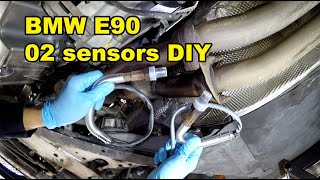
🎬 See this complete N52 engine oxygen sensor replacement walkthroughSymptoms of a Bad Oxygen Sensor

A failing oxygen sensor sends incorrect data to your engine's computer, leading to noticeable problems. The most common sign is the Check Engine Light illuminating on your dashboard. You may also experience a significant drop in fuel economy, a rough or unstable idle, and hesitation during acceleration. In some cases, a bad O2 sensor can lead to a failed emissions test.
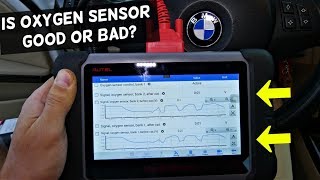
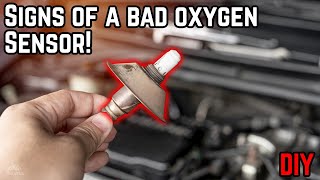
🎬 Watch: Signs, symptoms, and diagnosis of a bad oxygen sensorChoosing the Right Aftermarket Sensor: Brand Matters

When it comes to sensitive electronics on a BMW, not all aftermarket brands are created equal. For oxygen sensors, it is highly recommended to use parts from the Original Equipment Manufacturer (OEM) supplier, which is typically Bosch or sometimes NTK for these vehicles. You can buy these as aftermarket parts (a Bosch sensor in a Bosch box) for much less than the dealer part.
Brand Quality Tiers for BMW O2 Sensors
| Tier | Brands | Honest Assessment |
|---|---|---|
| Best (OEM Supplier) | Bosch, NTK, Denso | These brands are the original suppliers to BMW. They provide the best fit, performance, and reliability. Choosing one of these is the safest bet to avoid compatibility issues. |
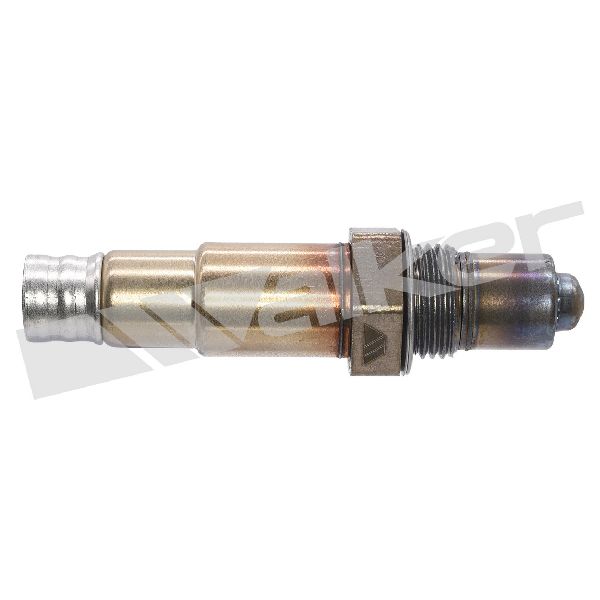
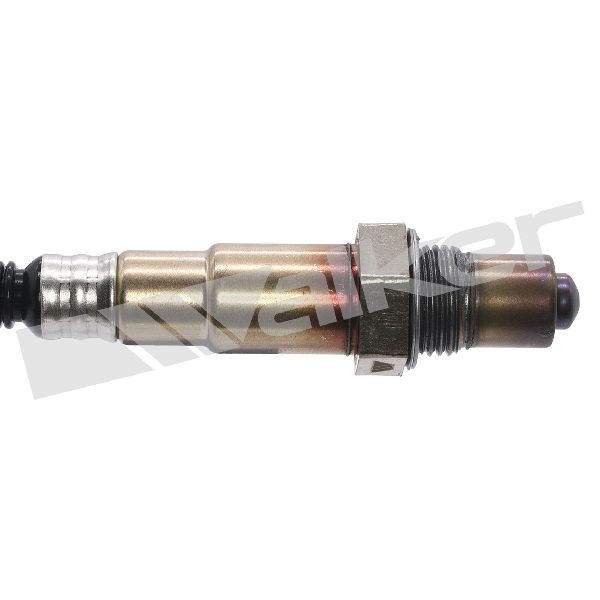
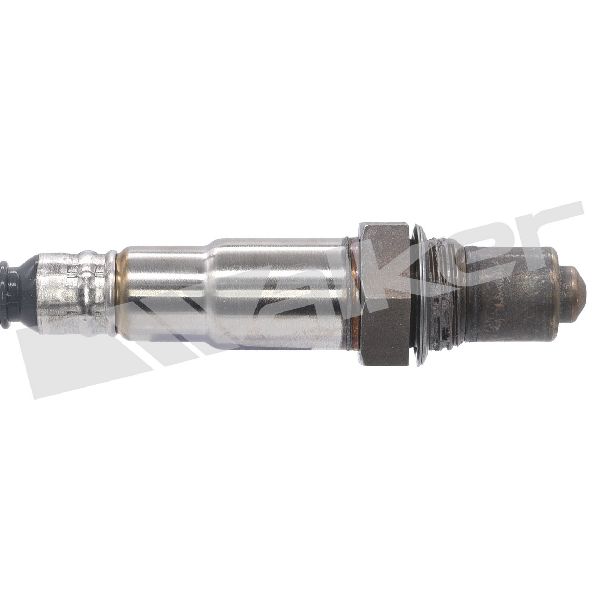
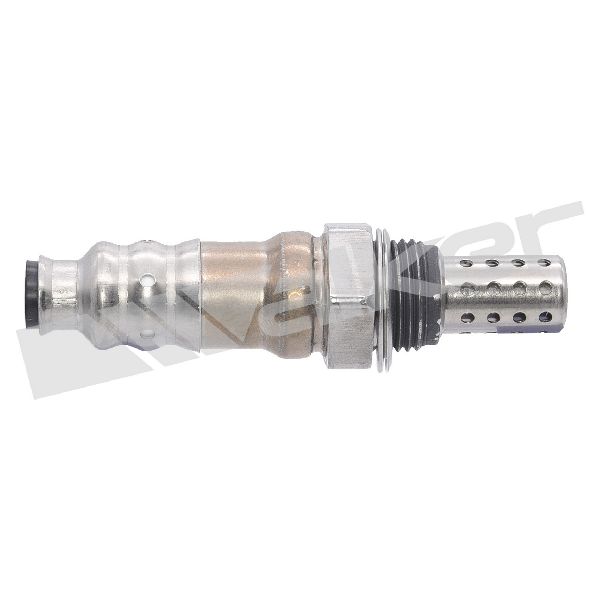
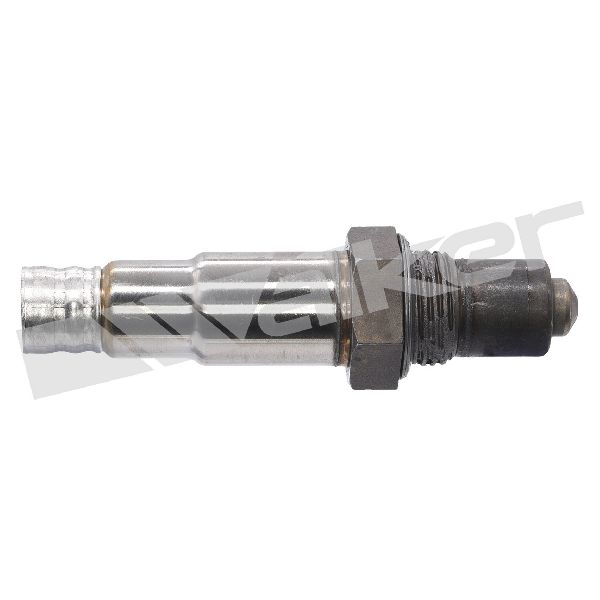
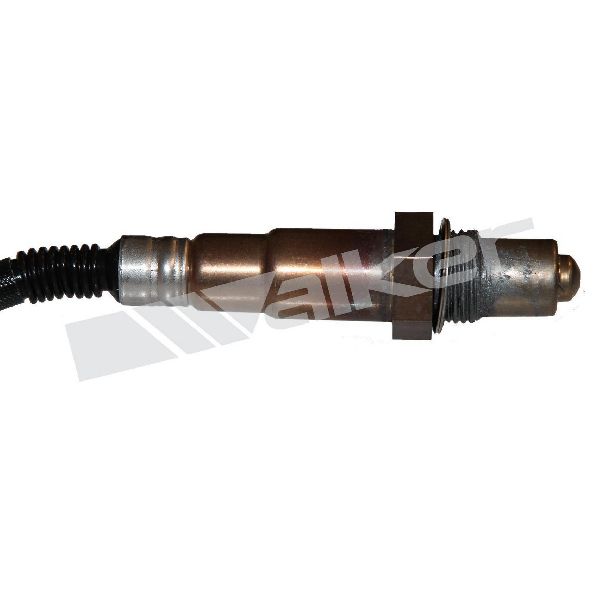
| Good (Value-Oriented) | Walker Products | Walker is a well-known aftermarket brand offering a more budget-friendly option. However, owner feedback for BMW applications is mixed. Some have success, while others report issues and recommend sticking to OEM suppliers. Consider Walker if budget is the primary concern, but be aware of the potential for compatibility problems. |
| Avoid (Unknown/Generic) | No-name eBay/Amazon brands | Avoid ultra-cheap, unbranded sensors. These often fail quickly, provide inaccurate readings, or use incorrect connectors, leading to more headaches and wasted money. |
Known Issues, TSBs, and Recalls
Searches for official recalls on the NHTSA website for the 2008-2013 BMW 325i did not show any specific campaigns for oxygen sensor failure. However, BMW has issued Technical Service Bulletins (TSBs) for related issues. For example, TSB SI B12 14 15 addresses overly sensitive diagnostics for post-catalyst oxygen sensors on some models, recommending a software update rather than part replacement. Another TSB, SI B12 14 90 03 00, deals with a software error that prevents the O2 sensor readiness monitor from setting, which can cause a failed emissions test. If you have persistent O2 sensor codes without clear symptoms of a failed sensor, it's worth checking if a DME software update is needed.
Frequently Asked Questions (FAQ)

How many oxygen sensors does my BMW 325i have?
Your N52 engine has four oxygen sensors. There are two upstream (pre-catalytic converter) sensors, one for each bank of three cylinders (Bank 1: cylinders 1-3; Bank 2: cylinders 4-6). There are also two downstream (post-catalytic converter) sensors that monitor catalyst efficiency.
Should I replace all four sensors at once?
It's not always necessary, but it is good practice. O2 sensors have a similar lifespan (typically 60,000 to 100,000 miles). If one has failed due to age, the others are likely not far behind. At a minimum, it's recommended to replace them in pairs (both upstream or both downstream) to ensure balanced readings for the engine computer.
What tools do I need to replace an O2 sensor?
You will need a special oxygen sensor socket, which has a slot for the wire to pass through. A set of ratchets and extensions is also necessary. For some sensors, particularly the downstream ones, you may need to remove underbody splash shields, requiring an 8mm socket. Applying penetrating oil to the old sensor's threads before removal can make the job easier.
What is the difference between an upstream and downstream sensor?
Upstream sensors (also called Sensor 1) are located in the exhaust manifold before the catalytic converter. They are crucial for controlling the air-fuel ratio. Downstream sensors (Sensor 2) are located after the catalytic converter and primarily check if the converter is working correctly. They often have different wire lengths and connectors, so be sure to order the correct part for the specific location.
🎬 Watch: How to replace a downstream Bank 1 Sensor 2Helpful Videos
Technical Specifications
OEM Part Numbers: 11787558055 11787545074 11787545075 11787558073
The N52 engine uses four 4-wire or 5-wire heated oxygen sensors (HO2S). Two are upstream (pre-catalyst) wideband sensors for air-fuel ratio, and two are downstream (post-catalyst) sensors for catalyst monitoring.
We Have This Part in Stock

The information in this article is provided for general reference and educational purposes only. Vehicle specifications, procedures, and part compatibility can vary by production date, trim level, and region. Always consult your vehicle's factory service manual and verify part numbers before purchasing or performing repairs. Safety-critical components such as airbags, seat belts, and braking systems should be installed by a qualified professional.
- BMW 325i: