

BMW 3-Series (E90) Coolant Reservoir Tank: A Guide for 2008-2013 Models
Understanding why the plastic coolant expansion tank is a common failure point on your BMW and how to choose the right replacement.
- The plastic expansion tank is a common failure item due to constant pressure and heat cycles.
- Always replace the reservoir cap when you replace the tank to ensure the system holds pressure correctly.
- This is a manageable DIY repair, but the cooling system's electronic bleeding procedure must be followed correctly.
- Use only BMW-approved blue G48 coolant mixed with distilled water to prevent system damage.
A Note on Model Years
While this guide covers the 2008-2013 model years, it's important to note that in the North American market, the 325i model was primarily sold as a 2006 model for the E90 generation. From 2007 onwards, the more common equivalent was the 328i. The cooling system components, including the expansion tank, are very similar or identical across these models, so the information here applies broadly to the 2008-2013 3-Series platform (E90, E91, E92, E93 chassis).
Why BMW Coolant Tanks Fail

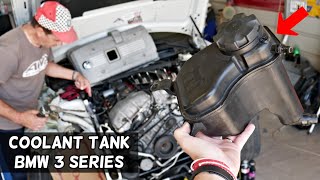
The coolant expansion tank on the E90 3-Series is a well-known weak point. Made of plastic, it is constantly subjected to high pressure and extreme temperature changes. Over many heat cycles, the plastic becomes brittle and weak. Failures typically happen in two ways: hairline cracks develop, causing slow leaks, or the tank splits at the seam, leading to a sudden and major loss of coolant. This is a common issue, and most owners will face it at some point.
Symptoms of a Failing Coolant Reservoir

- Low Coolant Warning Light: The most common first sign is the low coolant light appearing on your dashboard. If you top it off and the light returns soon after, you likely have a leak.
- Visible Cracks or Stains: Inspect the tank for any visible hairline cracks. You may also see white or pinkish residue (dried coolant) on or around the tank, indicating a leak.
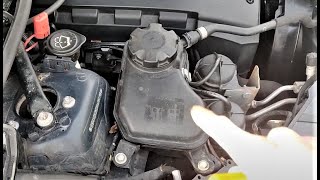
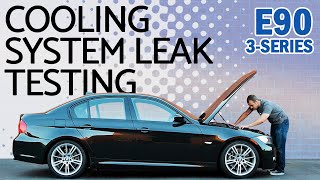
- Puddle Under the Car: A puddle of sweet-smelling, typically blue or green liquid 🎬 Watch this step-by-step guide to pressure test your cooling system for leaks under the front passenger side of the car is a clear sign of a coolant leak.
- Engine Overheating: In the case of a sudden tank failure, you will lose a large amount of coolant quickly, which can cause the engine to overheat. This is a serious condition that requires you to stop the engine immediately.
Choosing an Aftermarket Replacement Part

When replacing your coolant tank, you have a choice between Original Equipment Manufacturer (OEM) parts and aftermarket alternatives. For a critical component like this on a BMW, quality matters.
Brand Quality Assessment
| Brand Tier | Brand(s) | Assessment |
|---|---|---|
| Good | Dorman | Dorman is a widely available aftermarket brand that offers a cost-effective solution. Reviews suggest it is a direct fit and often comes with a new cap and sometimes a new level sensor. While some users report success and appreciate the value, others note the plastic may feel lighter than the original. Given the tendency for these tanks to fail, some owners prefer the lifetime warranty offered by some retailers for Dorman parts. |
| Better | Global Parts | Global Parts Distributors is another aftermarket option. They state their parts are designed to meet or exceed OEM specifications using OE-grade materials. However, there is less specific feedback available from BMW owners regarding the long-term reliability of their expansion tanks compared to other brands. |
| Best | OEM/OE | An OEM (Original Equipment Manufacturer, like Behr or Mahle) or Genuine BMW part is often recommended by enthusiasts for best fit and longevity. While more expensive, they are built to the original factory specifications. Many owners feel the extra cost is worth the peace of mind. |
Pro Tip: Regardless of the brand you choose, always replace the coolant reservoir cap at the same time as the tank. The cap is also a critical component that holds pressure, and a faulty cap can cause the new tank to fail prematurely.
Known Issues, Recalls, and Service Bulletins
There are no specific widespread recalls for the coolant expansion tank itself on these models. However, BMW has issued Technical Service Bulletins (TSBs) related to the cooling system. One TSB for a later model (F30) addresses the low coolant warning coming on due to a poor electrical connection at the level sensor, which sometimes requires replacing the tank. While not directly for the E90, it highlights the importance of the sensor and its connection. There have also been recalls for other cooling system components like the electric water pump or EGR cooler on different BMW models, but not specifically for the 2008-2013 325i/328i expansion tank.
Frequently Asked Questions (FAQ)

What other parts should I replace with the coolant tank?
When replacing the expansion tank, it's a good time to inspect the connected hoses, especially the upper and lower radiator hoses and the small vent hose at the top. If they are original, swollen, or brittle, it is wise to replace them at the same time. The level sensor is often included with new aftermarket tanks, but if not, and yours is old, consider replacing it as well.
Is replacing the coolant tank a DIY job?
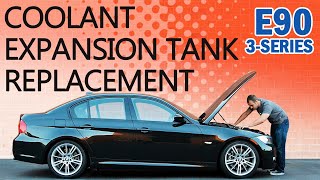
Yes, for many home mechanics, this is a very feasible DIY job. It is located at the front of the engine bay and is easily accessible. The job typically involves draining some coolant, disconnecting two hoses and an electrical sensor, and removing two bolts. 🎬 Watch a full video tutorial on replacing the expansion tank yourself The most critical part of the job is properly bleeding the air out of the cooling system after the replacement, as BMWs have a specific electronic bleeding procedure.
Do I need to replace the level sensor?
Many aftermarket tanks, including some from Dorman, come with a new level sensor pre-installed. If your new tank does not include one, you can transfer the old sensor to the new tank by rotating it 90 degrees and pulling it out. However, if you are getting false "low coolant" warnings, the sensor itself might be the problem, and it should be replaced.
What kind of coolant should I use?
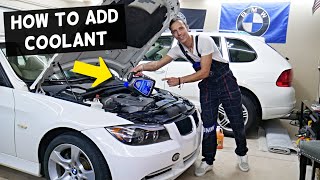
You must use a coolant that is specifically formulated for European vehicles. BMW uses a proprietary blue-colored coolant (G48). Using the wrong type of coolant can lead to corrosion and damage to the cooling system. Always mix the coolant with distilled water, typically in a 50/50 ratio.
🎬 See how to properly add coolant to your BMWHelpful Videos

Technical Specifications
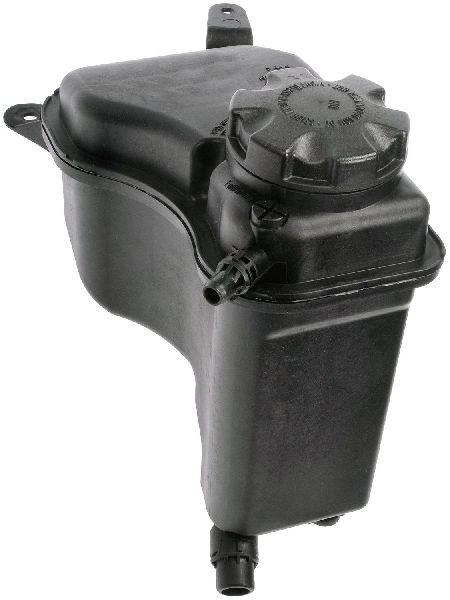
OEM Part Numbers: 17137640514 17137607482 17137647713 17137543003
Pressurized plastic tank with integrated coolant level sensor and overflow.
We Have This Part in Stock


The information in this article is provided for general reference and educational purposes only. Vehicle specifications, procedures, and part compatibility can vary by production date, trim level, and region. Always consult your vehicle's factory service manual and verify part numbers before purchasing or performing repairs. Safety-critical components such as airbags, seat belts, and braking systems should be installed by a qualified professional.
- BMW 325i: