

BMW 135i (2008-2013) Engine Coolant Temperature Sensor Guide
Understanding the signs of a failing coolant temperature sensor and how to choose the right replacement for your N54 or N55 engine.
- A bad coolant sensor on a 135i often causes the radiator fan to run at full blast and triggers a check engine light.
- The sensor is located on the front of the engine near the oil filter housing and is an easy DIY replacement with a 22mm deep socket.
- You don't need to drain the cooling system, but you must bleed it after replacing the sensor.
- Aftermarket brands like Delphi and Vemo offer OEM-level quality for less than the dealer part.
Is Your BMW 135i Coolant Temperature Sensor Failing?
A faulty Engine Coolant Temperature (ECT) sensor can cause a range of noticeable problems in your 135i. Because the sensor's reading affects so many engine functions, a bad signal can lead to poor performance and even trigger a failsafe mode. When the DME detects a problem with the sensor, it may default to a worst-case scenario, running the radiator fan at maximum speed to prevent potential overheating.
Symptoms of a Bad ECT Sensor:
🎬 Watch a breakdown of common symptoms and replacement costs.- Check Engine Light: The most common indicator is a check engine light on your dashboard. Specific trouble codes like 2EE0, P0117 (low input), or P0118 (high input) often point to the ECT sensor.
- Radiator Fan Running on High: The fan may switch to full speed immediately after starting the car or run constantly, even when the engine is cold. This is a protective measure taken by the engine's computer.
- Poor Fuel Economy: If the sensor incorrectly tells the computer the engine is always cold, the DME will continuously supply a rich fuel mixture, wasting fuel.
- Black Smoke from Exhaust: An overly rich fuel mixture may not burn completely, resulting in black, sooty smoke from the tailpipe.
- Engine Overheating or Erratic Temperature Gauge: While less common, a faulty sensor can fail to trigger the cooling fan when needed, leading to overheating. You might also see the temperature gauge on your dash behave erratically, jumping between hot and cold.
- Rough Idle and Power Loss: An incorrect fuel mixture can cause the engine to idle poorly, hesitate, or feel sluggish during acceleration.
Choosing the Right Aftermarket Sensor
When replacing the ECT sensor, you don't necessarily need to buy a Genuine BMW part. Several reputable aftermarket brands produce sensors that meet or exceed OEM specifications. These can be grouped into quality tiers.
Tier 1: OEM-Supplier Quality
These brands are known to manufacture parts for BMW or have a strong reputation for quality and reliability in the European car community. They are excellent alternatives to the dealer part.
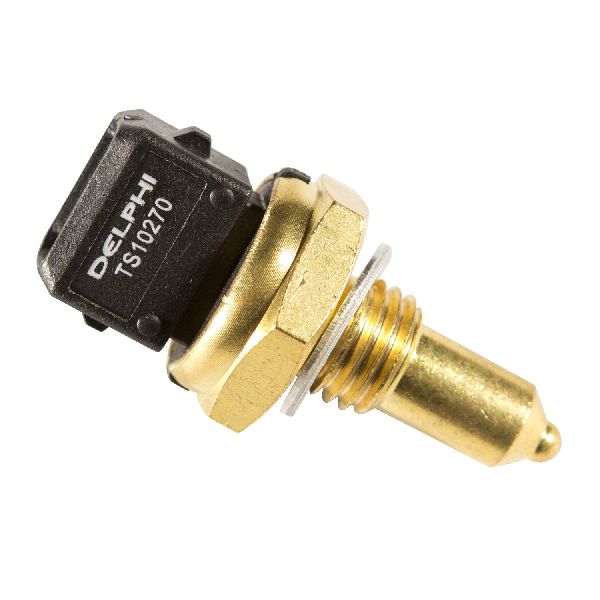
- Delphi: Often cited as an OEM supplier for various electronic parts, Delphi sensors are a reliable choice with a strong reputation for quality and fitment.
- Vemo: A well-regarded brand for European car parts, Vemo offers quality sensors that are a dependable option.
- NGK/NTK: While famous for spark plugs, NTK (a division of NGK) is also a major sensor manufacturer with a reputation for high-quality electronic components.
Tier 2: Standard Aftermarket
These brands offer a good balance of quality and value. They are a solid choice for most repairs.
- Beck Arnley: This brand sources parts from various manufacturers, often including OEM suppliers, and is generally considered a reliable choice.
- Standard Ignition (SMP): A large, established manufacturer of automotive electronics. Their standard line offers good performance, though some forum users suggest avoiding their budget "T-series" line if available.
- Holstein: A growing brand in the aftermarket sensor space, offering a direct-fit replacement.
Tier 3: Economy Brands
These brands provide a functional part at the lowest price point. While they will work, their long-term durability and the precision of their temperature readings may not match higher-tier options.
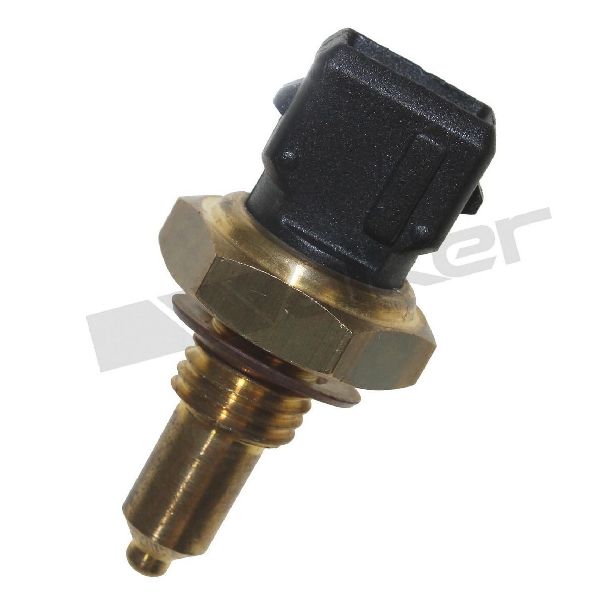
- Four Seasons, Global Parts, Walker Products: These brands are often focused on providing a budget-friendly solution. They can be a viable option if cost is the primary concern.
Cost of Replacing the Engine Coolant Temperature Sensor
| Part Type | Price Range |
|---|---|
| New Aftermarket Sensor | $19 - $69 |
| Shop Labor | $75 - $150 |
| Total Estimated Cost | $94 - $219 |
Frequently Asked Questions (FAQ)
Where is the engine coolant temperature sensor located on a 2008-2013 BMW 135i?
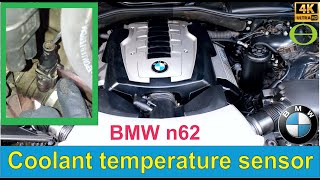
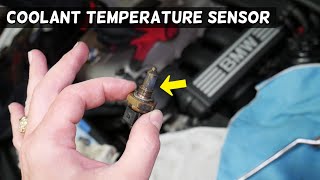
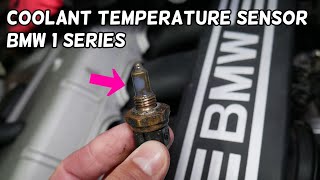
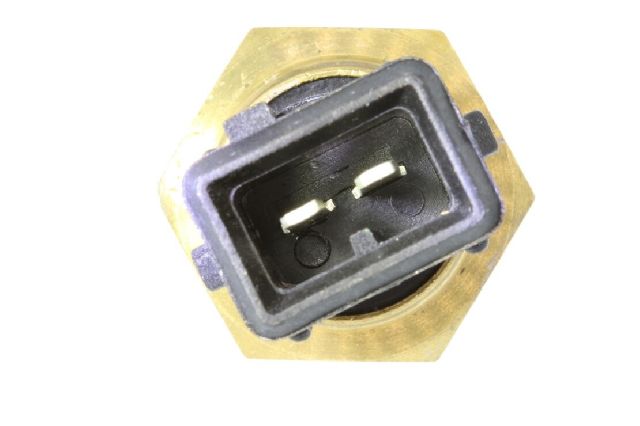
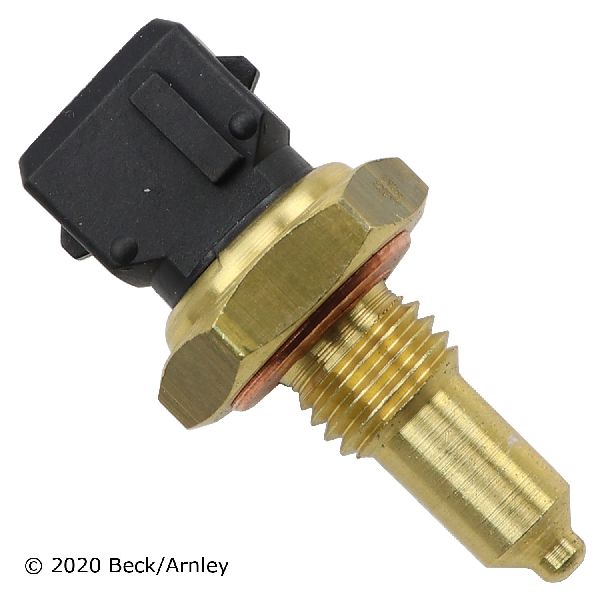
On both the N54 and N55 engines, the primary engine coolant temperature sensor is located on the front of the cylinder head, right near the oil filter housing. 🎬 See the exact sensor location on N54 and N55 engines. It is a brass-colored sensor with a black electrical connector. You will need to remove the plastic engine cover to see it.
Is this a difficult DIY job?
No, for someone with basic tools, this is a very feasible DIY job. The sensor is easily accessible on top of the engine. The main steps involve letting the engine cool completely, disconnecting the electrical connector, and using a 22mm deep socket 🎬 Follow this step-by-step guide to replace your N54 sensor. to unscrew the old sensor and install the new one. A small amount of coolant will spill, so have rags ready.
Do I need to drain the coolant to replace the sensor?
You do not need to drain the entire cooling system. If the engine is completely cold, only a small amount of coolant will leak out when you remove the sensor. After replacement, you should top off the coolant reservoir and perform the system's air bleeding procedure to remove any air that entered the system.
What happens if I don't replace a bad coolant sensor?
Ignoring a bad sensor will lead to persistent poor fuel economy, increased emissions, and potentially rough engine performance. While the car's computer will try to protect the engine by running the fan, you lose the accurate temperature monitoring that is essential for long-term engine health.
My car has a code for the thermostat, is it related?
Yes, it can be. A fault code for the thermostat (like P0597 or 348A) can sometimes appear alongside a coolant sensor code. The DME uses the sensor's readings to check if the thermostat is working correctly. Sometimes, a failing thermostat is the root cause, and other times the sensor is the issue. It's common to replace both the thermostat and water pump as a set on these cars, and many mechanics will replace the ECT sensor at the same time.
Helpful Videos
Technical Specifications
OEM Part Numbers: 13621433076 13627580635
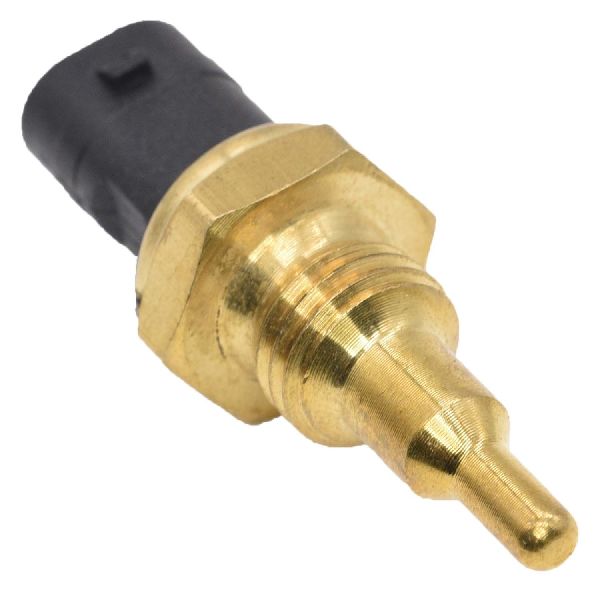
The sensor for the 2008-2013 BMW 135i is a two-pin sensor that screws into the cylinder head. It functions as a thermistor, meaning its electrical resistance changes with temperature. A 22mm deep socket is required for removal and installation.
We Have This Part in Stock


The information in this article is provided for general reference and educational purposes only. Vehicle specifications, procedures, and part compatibility can vary by production date, trim level, and region. Always consult your vehicle's factory service manual and verify part numbers before purchasing or performing repairs. Safety-critical components such as airbags, seat belts, and braking systems should be installed by a qualified professional.
- BMW 135i: