

A Guide to the Engine Camshaft Position Sensor for the 2008-2012 Volkswagen Jetta
Solving stalling, rough idling, and starting problems in your Jetta often begins with this critical sensor.
- First, verify your Jetta's engine (2.0L base, 2.5L, or 2.0T) as it drastically changes the replacement difficulty.
- For best results, choose an OEM-quality brand like Bosch; VW electronics are sensitive to sensor quality.
- A P0341 code doesn't always mean a bad sensor; check wiring for damage or oil contamination before replacing.
- Be aware that cam/crank sensor codes can sometimes indicate a more serious timing chain issue, especially on 2.0T engines.
Symptoms of a Failing Camshaft Position Sensor

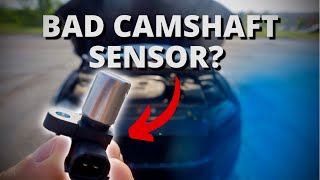
When the camshaft position sensor in your Jetta starts to fail, the signs are usually noticeable. The engine's computer may not know when to fire the spark plugs or inject fuel, causing problems you can feel while driving.
- Check Engine Light: This is often the first warning. A code like P0341 is a direct pointer to a potential camshaft sensor issue.
- Engine Stalling: The engine may shut off unexpectedly, especially at low speeds or when idling.
- Hard Starting or No Start: The car may take longer than usual to start, or it may crank but refuse to turn over.
- Rough Idle: You might notice the engine shaking or the RPMs bouncing up and down when the car is stopped.
- Poor Acceleration: The car may feel sluggish and lack power when you press the gas pedal.
- Reduced Fuel Economy: An inefficiently running engine will burn more fuel than usual.
IMPORTANT: Check Your Engine Before You Buy!
The replacement job for this sensor varies greatly depending on your Jetta's engine. You must know which engine you have.
- 2.5L and 2.0T (Turbo) Engines: The sensor is typically located on the top or side of the engine and is held by a single bolt. It is very easy to access and replace, usually taking less than 30 minutes.
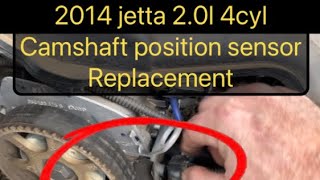
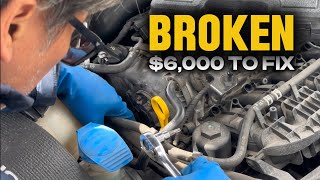
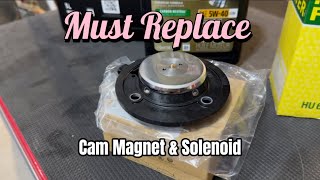
- 2.0L (Non-Turbo) Base Engine: On this engine, the sensor is located behind the camshaft timing gear. This requires removing the timing belt to access it, making it a much more difficult and expensive job (3+ hours). This is not a task for a beginner. 🎬 See this walkthrough for the difficult 2.0L non-turbo replacement.
Confirm your engine type before ordering a part or estimating repair costs.
Choosing the Right Aftermarket Sensor

Volkswagen engines can be sensitive to the quality of electronic parts. While saving money is tempting, a cheap, low-quality sensor can fail quickly or not work correctly out of the box, leaving you with the same problems. It's best to choose a reputable brand.
Brand Quality Tiers
Tier 1 - OEM & OEM-Equivalent:
- Bosch: Bosch is a well-known original equipment manufacturer for Volkswagen. Choosing a Bosch sensor is often the same as buying the part from the dealer, but at a lower cost. It's the most recommended choice for reliability.
- Genuine VW: The most expensive option, but a guaranteed fit and quality.
Tier 2 - Reputable Aftermarket:
- Delphi, Hella, Standard Ignition (SMP): These are trusted brands that produce high-quality sensors. They offer a good balance of price and performance and are generally reliable choices for European vehicles.
Tier 3 - Budget Brands:
- This category includes many of the lower-priced options. While the price is attractive, there is a higher risk of premature failure or compatibility issues with your Jetta's sensitive electronics. Use with caution; the savings might not be worth the potential hassle of replacing the part again.
Pro Tip: Before replacing the sensor, inspect the electrical connector for oil. On 2.0T engines especially, oil can leak into the connector and cause a bad signal. If the connector is full of oil, it must be cleaned thoroughly, and the source of the leak should be addressed.
Cost to Replace a Jetta Camshaft Position Sensor

Costs are based on the more common 2.5L and 2.0T engines. The 2.0L non-turbo engine will have significantly higher labor costs.
| Part/Service | Estimated Cost |
|---|---|
| New Aftermarket Part | $21 - $113 |
| New OEM Part | $90 - $150 |
| Shop Labor (Easy Replacement) | $60 - $120 |
| Total (DIY) | $21 - $113 |
| Total (at a shop) | $81 - $270+ |
Frequently Asked Questions

Is a camshaft sensor the same as a crankshaft sensor?
No. They are two different sensors that perform similar functions for different parts. The camshaft sensor tracks the position of the camshafts (top of the engine), while the crankshaft sensor tracks the position of the crankshaft (bottom of the engine). The ECU uses both signals to get a complete picture of the engine's timing.
Can a bad camshaft sensor prevent my Jetta from starting?
Yes. If the ECU does not receive a signal from the camshaft sensor, it may not know when to provide spark and fuel. This can result in a crank-no-start condition where the engine turns over but never fires up.
My car has a P0341 code. Does that definitely mean the sensor is bad?
Not always. While a faulty sensor is the most common cause, the code indicates a problem with the sensor's *circuit or performance*. This could also be caused by damaged wiring, a loose connector, oil contamination in the plug, or even a more serious mechanical issue like a stretched timing chain or failed tensioner, which is a known issue on some VW engines. If you replace the sensor and the code returns, further diagnosis is needed.
🎬 Watch: How to diagnose a P0341 code on turbo engines.How do I reset the Check Engine Light after replacing the sensor?
The light may turn off on its own after several driving cycles once the ECU confirms the problem is fixed. The fastest way is to use an OBD2 scanner to clear the code. Disconnecting the battery for about 15 minutes may also work, but this will reset your radio and clock settings.
Helpful Videos
Technical Specifications
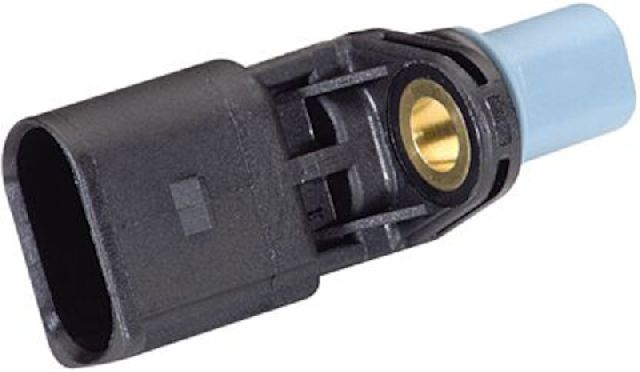
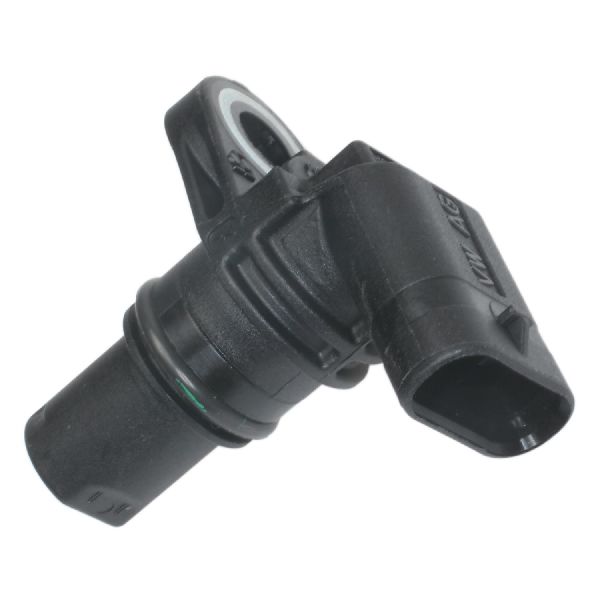
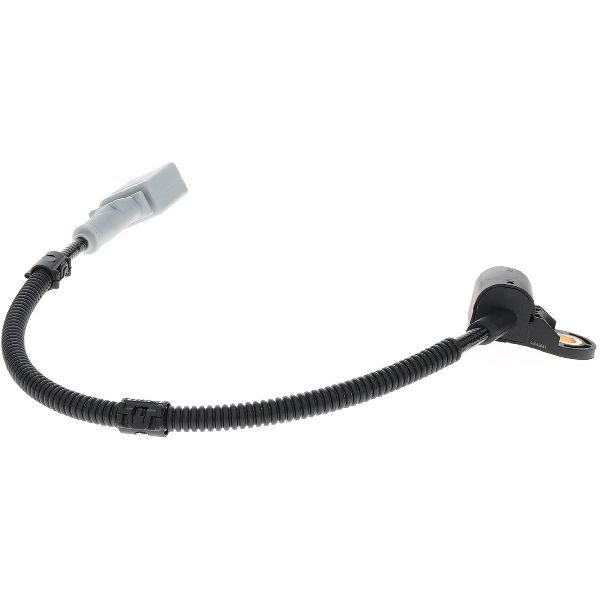
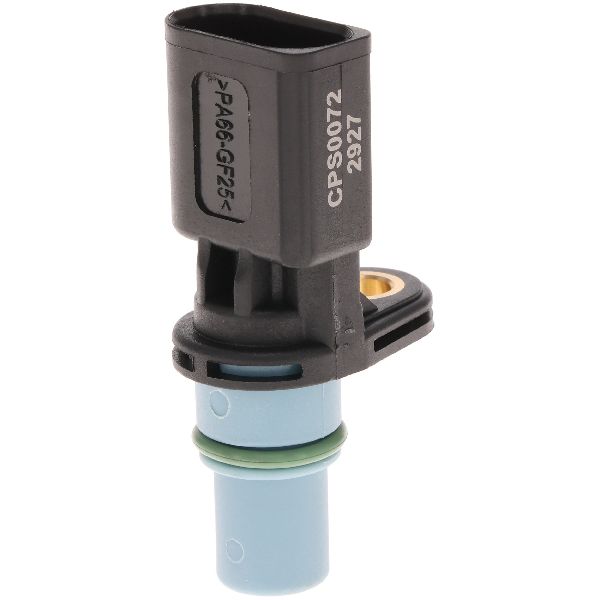
Sensor type is typically a Hall-effect sensor. Part numbers and design vary by engine type (2.0L, 2.5L, 2.0T). Always verify the correct part for your specific engine and model year, preferably by using your vehicle's VIN.
We Have This Part in Stock


The information in this article is provided for general reference and educational purposes only. Vehicle specifications, procedures, and part compatibility can vary by production date, trim level, and region. Always consult your vehicle's factory service manual and verify part numbers before purchasing or performing repairs. Safety-critical components such as airbags, seat belts, and braking systems should be installed by a qualified professional.
- Volkswagen Jetta: