

Toyota Camry Oxygen Sensor Guide for 2008-2012 Models
Everything you need to know before replacing an oxygen sensor on your 2008-2012 Toyota Camry.
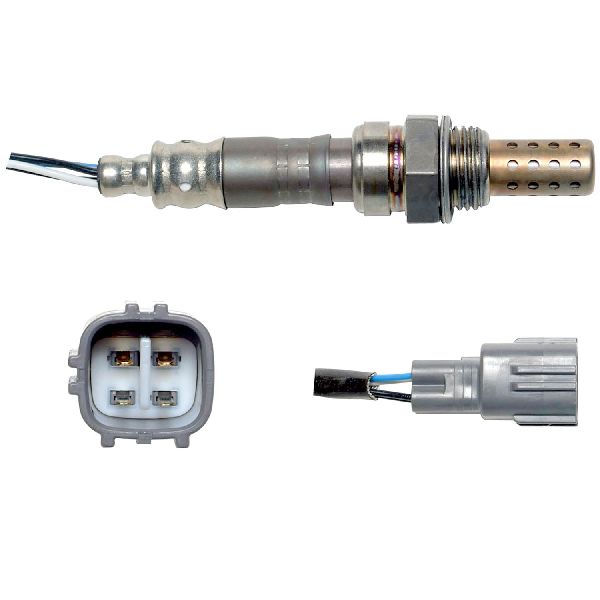
- Denso is the original equipment manufacturer (OEM) for Toyota and is the most recommended brand for a direct-fit, reliable replacement.
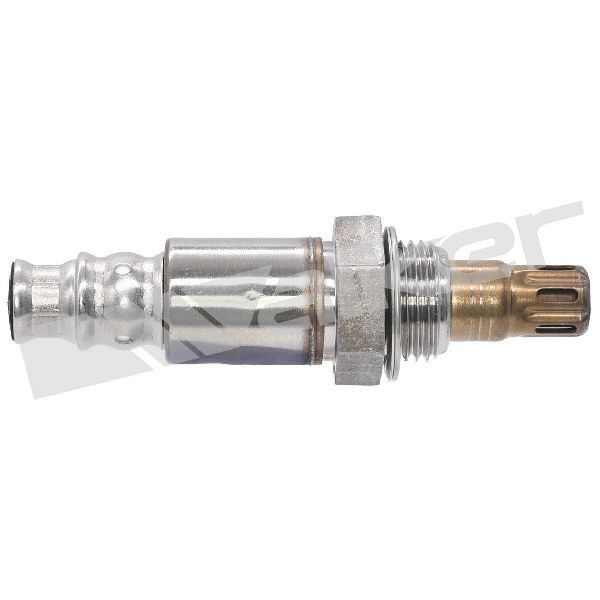
- You must correctly identify if you need an upstream (Air/Fuel Ratio) or downstream (Oxygen) sensor, as they are different parts.
- A P0420 code is often caused by a bad downstream O2 sensor, not a failed catalytic converter. Replace the sensor first.
- Replacement is a manageable DIY job with the right tool (an O2 sensor socket), but sensors can be difficult to remove if seized.
Is Your Camry's Oxygen Sensor Failing?

A bad oxygen (O2) sensor can cause several noticeable problems. The most common sign is the check engine light turning on. You might also experience a rough idle, reduced fuel economy, a smell of gasoline, or sluggish acceleration. Ignoring these symptoms can lead to more severe issues, including damage to your expensive catalytic converter over time.
Choosing the Right Aftermarket Oxygen Sensor

When shopping for a replacement, it's crucial to get the right part. Your Camry has different sensors for different locations.
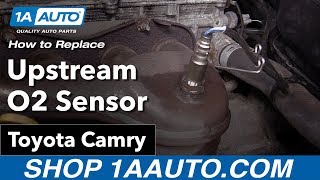
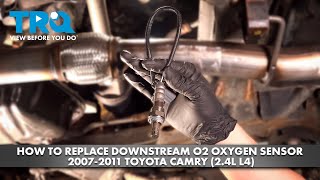
- Upstream vs. Downstream: The upstream sensor (also called an Air/Fuel Ratio Sensor or Sensor 1) is located on the exhaust manifold before the catalytic converter. 🎬 Watch this step-by-step guide to replacing your upstream sensor. The downstream sensor (Sensor 2) is located after the catalytic converter. 🎬 See how to swap out a downstream sensor on 4-cylinder models. They are not interchangeable.
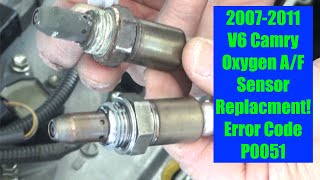
- 4-Cylinder vs. V6: The 4-cylinder engine has one upstream and one downstream sensor. The V6 engine has four sensors in total: an upstream and downstream sensor for each cylinder bank (Bank 1 and Bank 2).
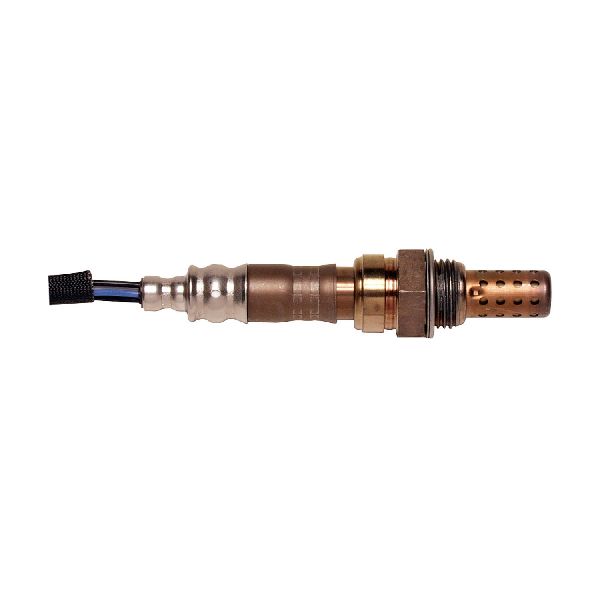
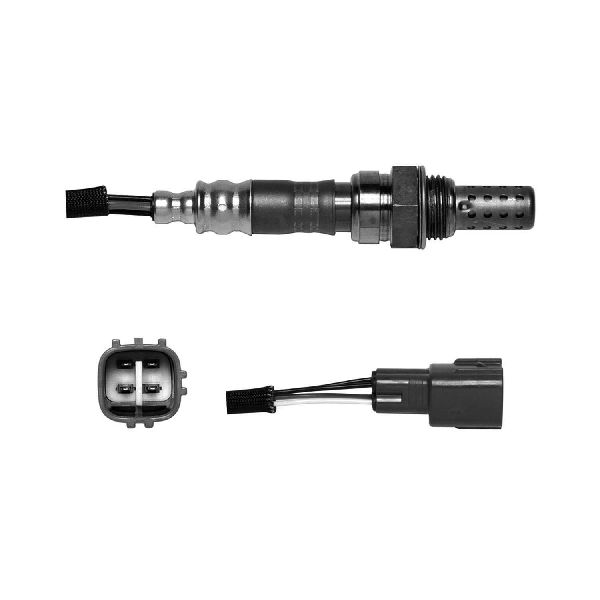
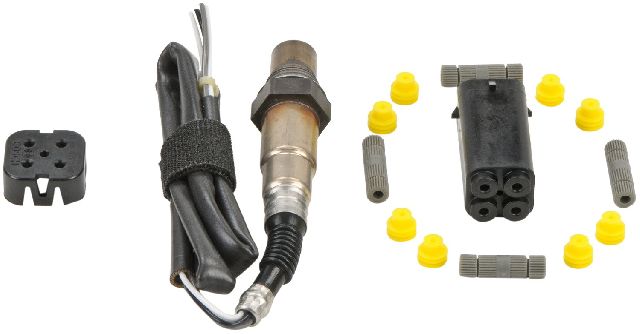
- Direct-Fit vs. Universal: Direct-fit sensors come with the correct plug for your Camry and are highly recommended for easy installation. Universal sensors require you to splice wires, which can be a point of failure if not done correctly.
Aftermarket Brand Quality
Not all aftermarket brands are created equal. For your Toyota Camry, some brands are known to be better than others.
- Top Tier (OEM or Equivalent): Denso is the Original Equipment Manufacturer (OEM) for Toyota. This means a Denso sensor from an auto parts store is often the exact same part you'd get from a Toyota dealer, just in a different box. It is the most recommended brand for reliability and a perfect fit.
- High-Quality Alternatives: Bosch and NGK (also known as NTK) are reputable brands that produce high-quality sensors. While some mechanics prefer to stick with Denso for Toyotas, Bosch and NGK are generally considered reliable choices.
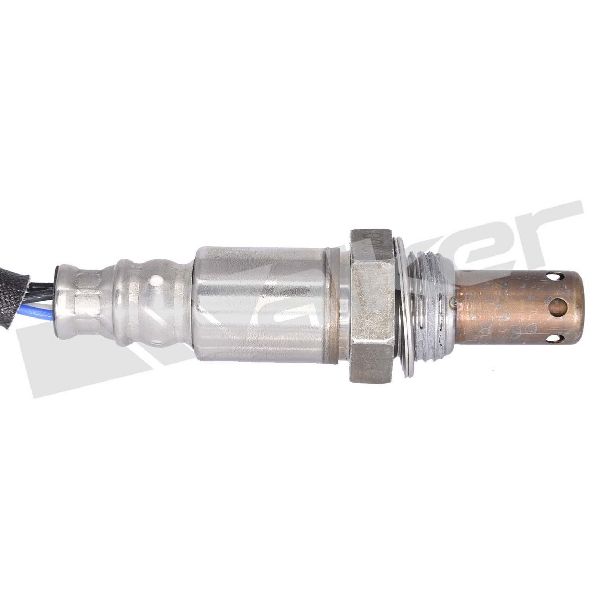
- Standard/Economy Tier: Brands like Walker Products, Spectra, and Delphi offer more budget-friendly options. While they can be a good value, their longevity and performance might not match the top-tier brands. DriveWire is typically an economy option.
A Note on P0420 Code
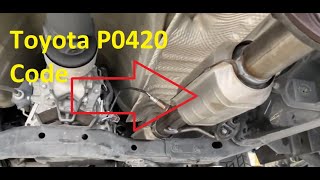
If your check engine light is on with a P0420 code ("Catalyst System Efficiency Below Threshold"), it doesn't always mean the catalytic converter is bad. This code can often be triggered by a failing downstream oxygen sensor that is giving a false reading. Replacing the downstream O2 sensor first is a common and cost-effective diagnostic step before considering a catalytic converter replacement.
🎬 Watch this video to troubleshoot and fix a P0420 code.Estimated Replacement Costs
The cost to replace an oxygen sensor can vary significantly based on the brand you choose and whether you do the work yourself or hire a professional.
| Item | Estimated Cost |
|---|---|
| New Aftermarket Sensor | $25 - $308 |
| New OEM Sensor | $150 - $350+ |
| Shop Labor | $80 - $150 |
Frequently Asked Questions

How many oxygen sensors does my 2008-2012 Camry have?
If you have the 2.4L or 2.5L 4-cylinder engine, your car has two oxygen sensors: one upstream (Bank 1, Sensor 1) and one downstream (Bank 1, Sensor 2). If you have the 3.5L V6 engine, your car has four oxygen sensors: two upstream (Bank 1, Sensor 1 and Bank 2, Sensor 1) and two downstream (Bank 1, Sensor 2 and Bank 2, Sensor 2).
Can I clean my old oxygen sensor instead of replacing it?
Cleaning an oxygen sensor is not recommended. The internal sensing element gets contaminated over time, and cleaning the exterior won't restore its function. It's a temporary fix at best and can sometimes cause more damage. The only reliable solution is replacement.
Is this a difficult DIY job?
For many people, yes. Replacing an oxygen sensor is a feasible DIY job. The main tool you'll need is a special 22mm oxygen sensor socket or wrench. The biggest challenge can be removing the old sensor, which can get seized in the hot exhaust pipe. Using a penetrating lubricant and letting it soak can help. Always perform this job on a cool engine to avoid burns.
Are there any recalls or TSBs for this part?
There are no specific recalls for the oxygen sensors on the 2008-2012 Camry. However, Toyota did issue a Technical Service Bulletin (TSB-0114-08) for some 2007-2008 V6 Camry models that exhibited a check engine light with multiple oxygen sensor-related codes. This TSB involved replacing both A/F sensors and the Bank 1 exhaust manifold. While this may not apply to all vehicles in this year range, it indicates a known potential issue for the V6 models.
Helpful Videos
Technical Specifications
OEM Part Numbers: 89467-33180 89467-07040 89465-33460 89465-06200 89465-06190
Varies by location (Upstream/Downstream) and engine (4-Cyl/V6). All are heated, 4-wire sensors. The connector plug is specific to the location. Wrench size is 22mm (7/8").
We Have This Part in Stock

The information in this article is provided for general reference and educational purposes only. Vehicle specifications, procedures, and part compatibility can vary by production date, trim level, and region. Always consult your vehicle's factory service manual and verify part numbers before purchasing or performing repairs. Safety-critical components such as airbags, seat belts, and braking systems should be installed by a qualified professional.
- Toyota Camry: