

A Guide to Replacing Oxygen Sensors on the 2008-2012 Toyota Avalon
Keep your Avalon's 3.5L V6 running smoothly by understanding its oxygen sensors.
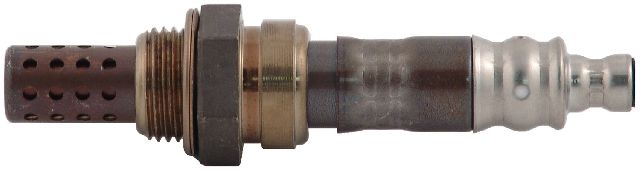
- Your 2008-2012 Avalon has four oxygen sensors; two upstream (air-fuel) and two downstream.
- Denso is the OEM manufacturer; stick with Denso or NGK/NTK for upstream sensors for best results.
- A bad oxygen sensor will cause a check engine light, poor gas mileage, and a failed emissions test.
- You will likely need a special oxygen sensor socket to remove the old sensor without stripping it.
Symptoms of a Failing Oxygen Sensor

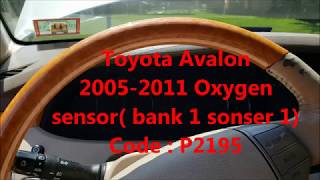
When an oxygen sensor in your Avalon starts to fail, your car will give you several clues. The most obvious sign is the check engine light illuminating on your dashboard. You might also notice your fuel economy getting worse, a rough or uneven idle, and hesitation or sluggish acceleration. In some cases, you may smell a strong gasoline or "rotten egg" odor from the exhaust. An owner of a 2008 Avalon reported a fuel smell at idle and a P2195 trouble code, pointing directly to a bad Bank 1 Sensor 1.
Common Trouble Codes
A code reader can help you pinpoint the problem. Common codes for oxygen sensor issues on this Avalon include P0138 (O2 Sensor Circuit High Voltage Bank 1 Sensor 2), P2195 (O2 Sensor Signal Stuck Lean Bank 1 Sensor 1), and P0037 (HO2S Heater Control Circuit Low Bank 1 Sensor 2). Codes like P0420 and P0430 can also indicate a failing sensor, though they often point to a bad catalytic converter, which can be damaged by a long-ignored faulty sensor.
Choosing the Right Aftermarket Oxygen Sensor

When replacing an oxygen sensor, you have a choice between OEM and aftermarket parts. For your Toyota Avalon, the original equipment manufacturer (OEM) is Denso. This means Denso sensors are a direct-fit replacement guaranteed to match the original quality and performance. However, high-quality aftermarket options can offer significant savings.
Brand Quality Tiers
- Tier 1 (OEM & Equivalent): Denso and NGK/NTK are the top choices. Denso is the original part manufacturer for Toyota. NGK/NTK is another highly respected Japanese brand known for long-lasting, reliable sensors that perform just as well as OEM. You can't go wrong with either of these for any of the four sensor positions.
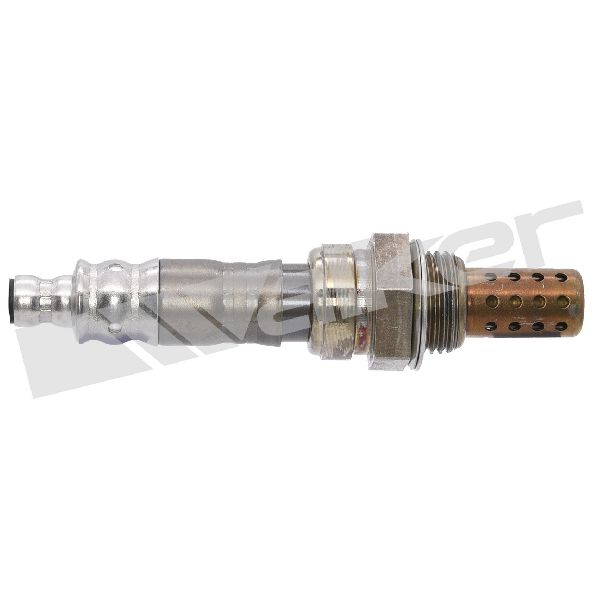
- Tier 2 (Reputable Aftermarket): Bosch is a well-known brand, but its aftermarket sensors can have a mixed reputation for Japanese vehicles like Toyota. While their OEM parts are excellent, some users report shorter lifespans with their aftermarket sensors on Toyotas. They can be a good budget-friendly option, especially for the less critical downstream sensors. Delphi, Spectra, and Walker Products are other established aftermarket brands that offer a balance of value and quality.
- Tier 3 (Value-Oriented): Brands like DriveWire fall into the budget category. They can be a cost-effective solution, but may not offer the same longevity or precise calibration as the higher-tier brands.
Pro Tip: For the upstream air-fuel ratio sensors (Bank 1 Sensor 1 and Bank 2 Sensor 1), it is highly recommended to use Denso or NGK/NTK parts. These sensors are more sensitive and have a greater impact on engine performance. Using a lower-quality part here can cause persistent issues. For the downstream sensors, a reputable aftermarket brand is often sufficient.
Understanding Replacement Costs

The price of oxygen sensors varies widely based on the brand and the sensor's position (upstream or downstream). Upstream air-fuel ratio sensors are more complex and therefore more expensive than downstream oxygen sensors.
| Part Type | Typical Price Range |
|---|---|
| New OEM (Toyota-Branded/Denso) | $130 - $245 |
| New Aftermarket | $25 - $308 |
| Shop Labor | $75 - $150 |
Frequently Asked Questions (FAQ)

How many oxygen sensors does my 2008-2012 Avalon have?
Your Avalon is equipped with the 3.5L 2GR-FE V6 engine, which has four oxygen sensors. There are two upstream (Bank 1 Sensor 1, Bank 2 Sensor 1) and two downstream (Bank 1 Sensor 2, Bank 2 Sensor 2). Bank 1 is the cylinder bank closer to the firewall, and Bank 2 is closer to the radiator.
What is the difference between an upstream and a downstream sensor?
Upstream sensors (also called Air/Fuel Ratio Sensors) are located before the catalytic converter and are crucial for managing the engine's air-fuel mixture. Downstream sensors are located after the catalytic converter and their main job is to monitor the converter's efficiency. Upstream sensors are more complex and expensive.
Can I replace just one oxygen sensor?
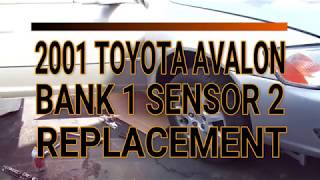
Yes, you only need to replace the sensor that has failed. A diagnostic scan tool will provide a trouble code that identifies the specific sensor (e.g., Bank 1 Sensor 2) that needs replacement. However, sensors often have a similar lifespan, so if one fails at high mileage, others may not be far behind.
Is any special tool required for replacement?
Yes, a special tool called an oxygen sensor socket is highly recommended. It's a socket with a slit down the side to accommodate the sensor's wire. While a 22mm wrench can sometimes work, the sensors can be seized in the exhaust pipe, and a proper socket provides a much better grip to avoid stripping the sensor.
Helpful Videos

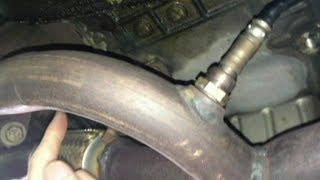
Technical Specifications
OEM Part Numbers: 89467-07040 89465-07070
The 2008-2012 Toyota Avalon with the 3.5L 2GR-FE V6 engine uses four oxygen sensors: two upstream wideband air-fuel ratio sensors and two downstream narrowband oxygen sensors.
We Have This Part in Stock
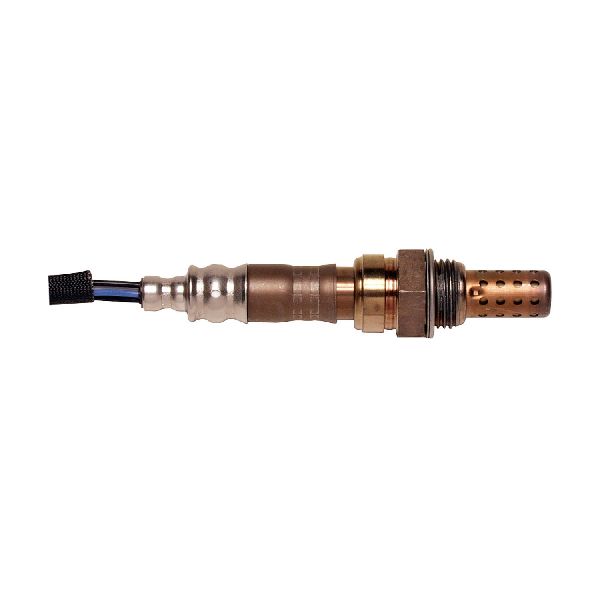
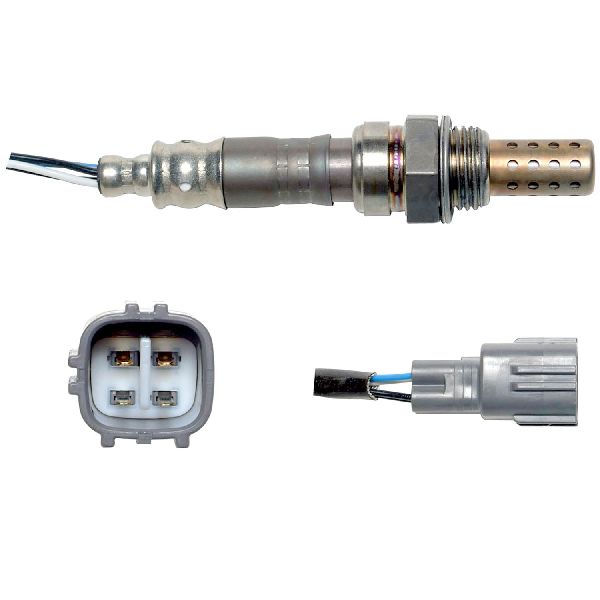

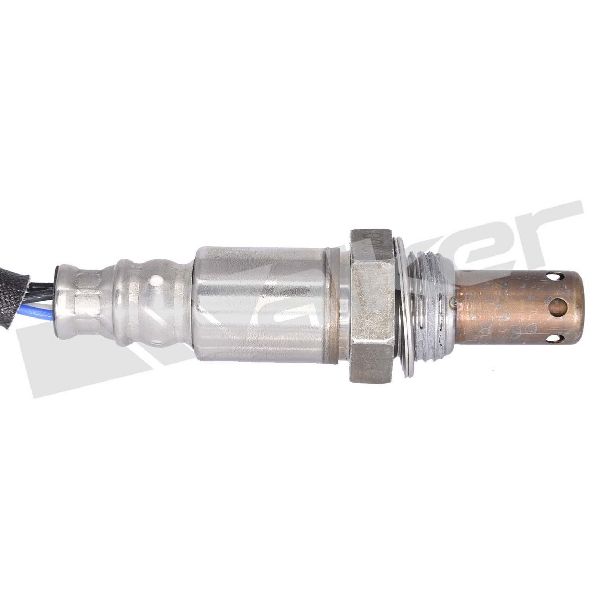

The information in this article is provided for general reference and educational purposes only. Vehicle specifications, procedures, and part compatibility can vary by production date, trim level, and region. Always consult your vehicle's factory service manual and verify part numbers before purchasing or performing repairs. Safety-critical components such as airbags, seat belts, and braking systems should be installed by a qualified professional.
- Toyota Avalon: