

Ford Explorer A/C Evaporator Core Guide (2007-2024)
Your complete guide to diagnosing and replacing the A/C evaporator core in your 2007-2024 Ford Explorer.
- For 2011-2019 models, ALWAYS inspect the rear A/C lines for leaks before assuming the front evaporator has failed.
- Replacement is an expert-level job requiring 8-12 hours and complete dashboard removal; DIY is not recommended.
- Labor is the most expensive part of the job, so consider using a high-quality OEM part to avoid a repeat failure.
- Always replace the receiver/drier and expansion valve/orifice tube when replacing the evaporator.
Is Your Explorer's A/C Blowing Warm?

If your Ford Explorer's air conditioning isn't cold, a failing A/C evaporator core could be the problem. This part is one of the most difficult and expensive components to replace in your A/C system, not because the part itself is expensive, but because of its location. Replacing it is a major job that involves removing the entire dashboard. Before you commit to this repair, it's critical to be sure the evaporator is the true cause of your A/C problems.
Common Failure Symptoms

- Weak or Warm Airflow: This is the most common sign. The system can't cool the air effectively because of a refrigerant leak within the core.
- Musty or Moldy Smell: A leaking evaporator can create a damp environment inside the HVAC case, leading to mold and mildew growth that you smell through the vents.
- Hissing Sound from the Dash: A distinct hissing noise from behind the dashboard when the A/C is on can indicate refrigerant escaping from the leaking core.
- Water on the Passenger Floorboard: While some condensation is normal, a clogged drain or damaged evaporator case can cause water to leak inside the cabin.
Known Issue: Check Rear A/C Lines on 2011-2019 Models First!
Many 2011-2019 Ford Explorers with rear A/C have a common failure point in the rear A/C lines, not the front evaporator. Corrosion causes these lines, located near the rear wheel well, to leak refrigerant. 🎬 Watch: How to identify common rear A/C line leaks. The symptoms are identical to a front evaporator failure (loss of cooling). Mechanics report that this is a far more frequent issue than the front evaporator failing. Always have a technician inspect the rear lines for leaks with UV dye before condemning the front evaporator—it could save you from a very expensive and unnecessary repair.
Choosing the Right Aftermarket A/C Evaporator Core

When you've confirmed the front evaporator needs replacement, you have options. Given the extremely high labor cost for this job, the quality of the replacement part is critical.
Aftermarket Brand Quality:
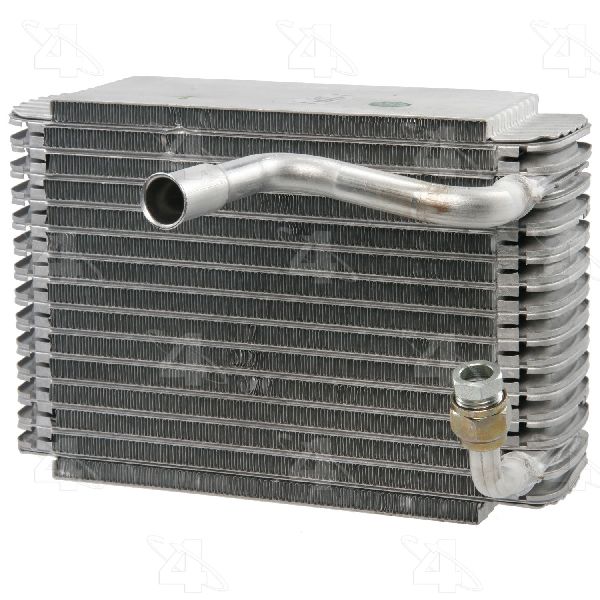
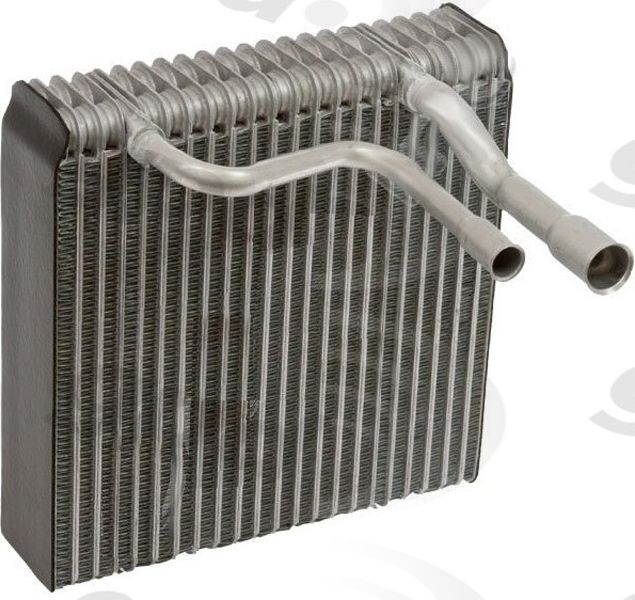
- Four Seasons, Spectra, and Global Parts (GPD) are all established aftermarket brands that produce reliable A/C components. For the most part, they are considered comparable in quality and are a good way to save money on the part itself. They are designed to meet or exceed original equipment (OE) fit and function.
Pro Tip: Consider OEM for Peace of Mind
Because replacing the evaporator is an 8-12 hour job that requires removing the entire dashboard, many professional mechanics recommend using an OEM part. While an aftermarket part from a brand like Four Seasons or Spectra is more affordable, the risk of a premature failure means you could be paying for that massive labor bill twice. Spending more on the OEM part can be a smart investment for a job this complex.
Cost to Replace the Ford Explorer A/C Evaporator

The cost is dominated by labor. The part itself is relatively inexpensive compared to the time it takes to access it.
| Part/Service | Estimated Cost |
|---|---|
| New Aftermarket Evaporator Core | $95 - $164 |
| New OEM Evaporator Core | $150 - $545 |
| Shop Labor | $900 - $1,300+ |
| Total Professional Replacement | $1,100 - $1,850+ |
Note: Costs are estimates and will vary by location and specific vehicle model year. The job often includes replacing the expansion valve/orifice tube, receiver/drier, and an A/C system recharge, which adds to the total cost.
Frequently Asked Questions (FAQ)
Can I replace the evaporator core myself?
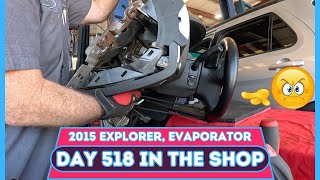
This is not recommended for a DIY mechanic. The job requires complete removal of the dashboard, steering column, and center console, along with safely recovering and recharging the A/C refrigerant. It is an expert-level repair that takes 8-12 hours for a professional. Mistakes can lead to damaged electronics, airbag system faults, or a dashboard that rattles forever.
🎬 See this walkthrough of the complex dashboard removal process.Are there differences between Explorer generations?
Yes. While the basic job is similar (dash removal), the specifics vary. The 2007-2010 models are body-on-frame, 🎬 Watch: Evaporator core removal for 2007-2010 Explorer models. while the 2011-2019 and 2020-2024 models are unibody platforms with different dashboard and HVAC designs. The 2011-2019 generation is particularly known for the rear A/C line leak issue.
What else should be replaced with the evaporator?
Anytime the A/C system is opened, you must replace the A/C receiver/drier or accumulator. It is also highly recommended to replace the A/C expansion valve or orifice tube, as it is often attached to the evaporator and is inexpensive. If your compressor failed and contaminated the system, the entire system including the condenser will need to be flushed or replaced.
Is there a recall on the Ford Explorer A/C evaporator?
No, there are no specific recalls for the A/C evaporator core on the 2007-2024 Ford Explorer. Searches for recalls show issues with A-pillar trim and rear axle bolts on certain model years, but these are unrelated to the A/C system.
Helpful Videos
Technical Specifications
OEM Part Numbers: 6L2Z-19860-EB 4L2Z-19860-AA DG1Z-19850-D
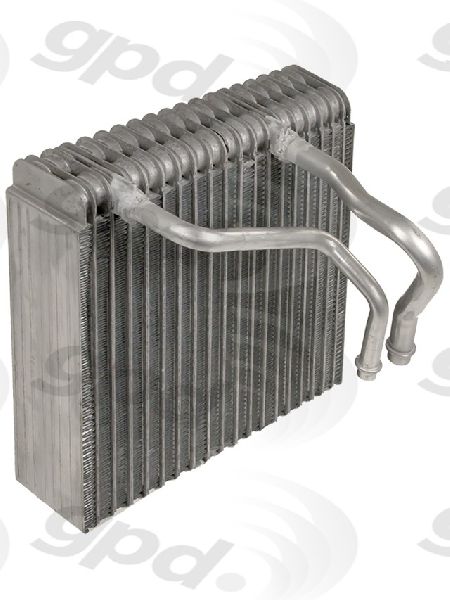
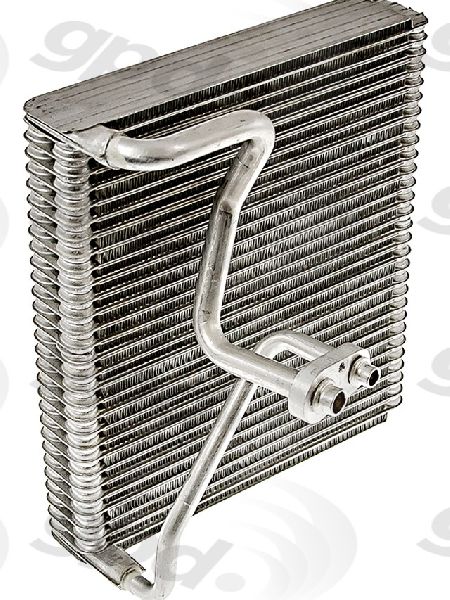
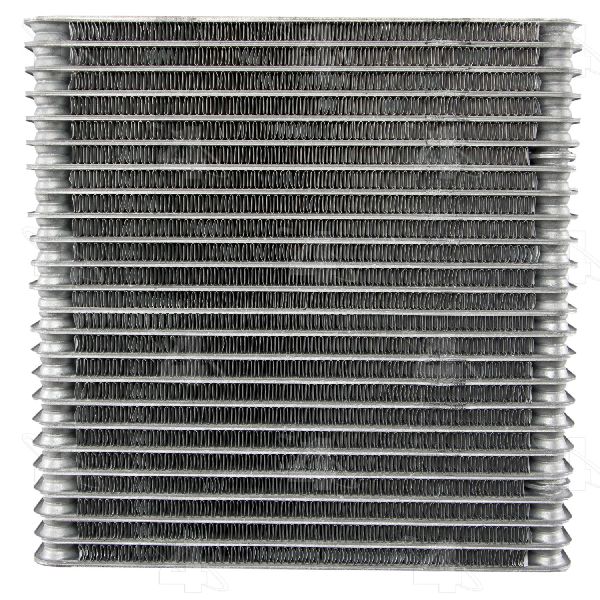
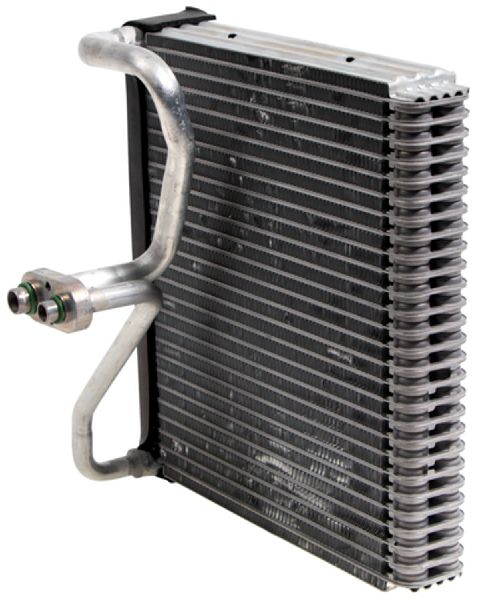
The Ford Explorer uses a plate fin style evaporator core. Depending on the model year and trim, it may have a front (primary) and rear (auxiliary) evaporator. This part is for the primary front unit located inside the dashboard HVAC housing.
We Have This Part in Stock

The information in this article is provided for general reference and educational purposes only. Vehicle specifications, procedures, and part compatibility can vary by production date, trim level, and region. Always consult your vehicle's factory service manual and verify part numbers before purchasing or performing repairs. Safety-critical components such as airbags, seat belts, and braking systems should be installed by a qualified professional.
- Ford Explorer: