

Hyundai Accent Engine Coolant Temperature Sensor: A Complete Guide for 2007-2022 Models
Is your Hyundai Accent running rough, getting bad gas mileage, or overheating? Your coolant temperature sensor might be the problem.
- Symptoms like a check engine light, poor gas mileage, and overheating are strong indicators of a failing ECT sensor in your Accent.
- For this critical sensor, choosing a quality brand like OEM, Delphi, or NGK is recommended over budget options to ensure accurate readings.
- Replacing the sensor is a manageable DIY task that can be done in under an hour with basic tools, saving on labor costs.
- No safety recalls have been issued specifically for the engine coolant temperature sensor on these Hyundai Accent models.
Is Your Engine Coolant Temp Sensor Failing?

A bad Engine Coolant Temperature (ECT) sensor can cause a surprising number of problems with your Hyundai Accent. Because the engine's computer relies on this sensor for so much information, a false signal can make the car run poorly. If the sensor tells the computer the engine is cold when it's actually warm, the computer will inject too much fuel, leading to poor gas mileage and even black smoke from the exhaust. If it fails to report that the engine is getting too hot, the cooling fans may not turn on, putting your engine at risk of overheating.
Common Symptoms of a Bad ECT Sensor
- Check Engine Light is on 🎬 See how to diagnose a P0117 sensor circuit low code.
- Worse than usual gas mileage
- Engine overheating or temperature gauge reading incorrectly
- Black smoke from the tailpipe
- Rough or unstable idle
- Difficulty starting the engine
OEM vs. Aftermarket: Choosing the Right Sensor for Your Accent

When it comes to electronic sensors, quality matters. While a cheaper part is tempting, a low-quality sensor can provide inaccurate readings, leading to the same problems as a failed one. For a critical part like the ECT sensor, it's often best to stick with either a genuine Hyundai (OEM) part or a top-tier aftermarket brand.
Brand Quality Tiers
- OEM (Original Equipment Manufacturer): This is the same part your vehicle came with from the factory. It guarantees perfect fit and performance but comes at the highest cost.
- Premium Aftermarket (e.g., Delphi, NGK/NTK, Beck Arnley): These brands have a strong reputation. Delphi is often an OEM supplier for many car manufacturers, and NGK is a leader in engine sensors. Beck Arnley is known for often repackaging the original OEM part from Japan. These offer a balance of high quality and a lower price than OEM.
- Standard Aftermarket (e.g., Standard Ignition, Four Seasons, Walker Products): These brands can be a mixed bag. While many of their parts work fine, some forum users report occasional quality control issues or less accurate readings compared to premium brands.
- Budget Aftermarket: Be cautious with the cheapest available options. While the low price is attractive, they have a higher risk of premature failure or inaccurate performance, meaning you might have to do the job twice.
Pro Tip: Many experienced mechanics recommend using OEM or premium aftermarket brands like Delphi or NGK for critical engine sensors to avoid performance issues and ensure longevity.
Hyundai Accent ECT Sensor Cost

The cost to replace the ECT sensor depends on whether you do it yourself or have a shop do the work. The part itself is not expensive, but labor can add to the total cost.
| Part/Service | Estimated Cost |
|---|---|
| New OEM Sensor | $55 - $85 |
| New Aftermarket Sensor | $15 - $50 |
| Shop Labor | $75 - $150 |
| Total (Shop Repair) | $90 - $235 |
Known Issues, Recalls, or TSBs
Searches of the National Highway Traffic Safety Administration (NHTSA) database and technical service bulletins did not find any specific recalls or TSBs for the engine coolant temperature sensor on the 2007-2022 Hyundai Accent. While there are recalls for this vehicle range concerning seat belt pretensioners and ABS modules, they are unrelated to the ECT sensor.
Frequently Asked Questions (FAQ)

Where is the coolant temperature sensor located on a Hyundai Accent?
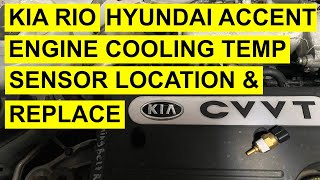
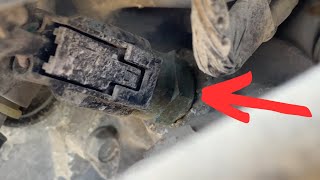
The location varies slightly by generation. For many 2007-2011 models with the 1.6L engine, the sensor is on the back of the cylinder head, near the thermostat housing. For 2012-2017 models, it is often found on the right side of the engine. 🎬 Watch this 2012-2017 Accent sensor location and replacement guide. Access usually requires removing the engine cover and air filter housing.
Can I replace the ECT sensor myself?
Yes, this is a DIY-friendly job for most home mechanics. It requires basic tools like a socket set, and the most difficult part is often reaching the sensor in a tight space. A small amount of coolant will leak out when you remove the old sensor, so have the new one ready to install quickly. Always perform this repair on a cold engine.
What tools are needed to replace the sensor?
You will typically need a deep socket (often 19mm) to fit over the sensor, a ratchet with an extension, and pliers for any hose clamps you need to move. Having a universal swivel joint for your socket can also be very helpful for accessing the sensor at an angle.
🎬 Watch: How to test and replace your coolant temperature sensor.Do I need to drain the coolant to replace the sensor?
You do not need to drain the entire cooling system. Only a small amount of coolant will spill when the sensor is removed. To minimize loss, work quickly and have the new sensor ready to thread in as soon as the old one is out. You may need to top off the coolant reservoir afterward.
Helpful Videos

Technical Specifications
OEM Part Numbers: 39220-38030 39220-38020 39230-26700 39230-26600 39220-2M425 39220-26300
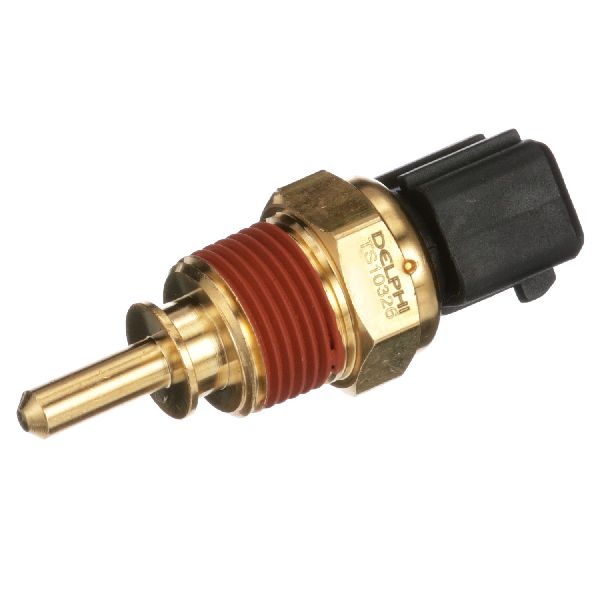
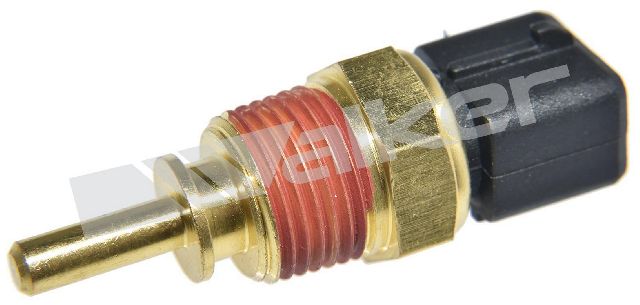
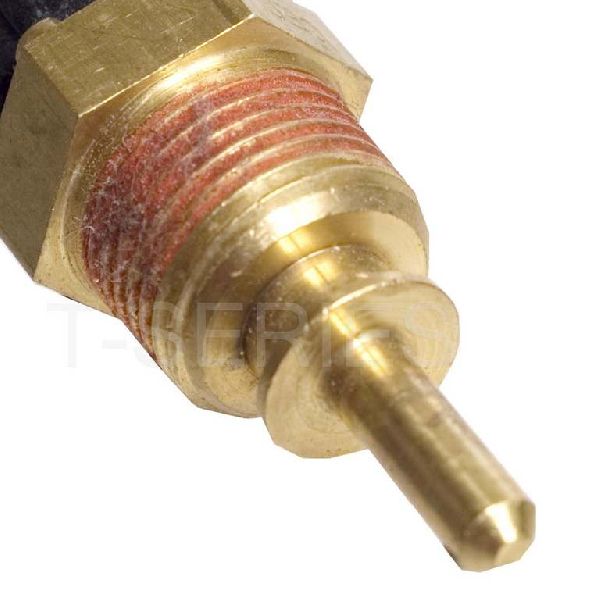
The sensor is a thermistor, typically with a 2 or 3-pin electrical connector, that threads into the engine's cylinder head or thermostat housing.
We Have This Part in Stock



The information in this article is provided for general reference and educational purposes only. Vehicle specifications, procedures, and part compatibility can vary by production date, trim level, and region. Always consult your vehicle's factory service manual and verify part numbers before purchasing or performing repairs. Safety-critical components such as airbags, seat belts, and braking systems should be installed by a qualified professional.
- Hyundai Accent: