

A/C Evaporator Core Replacement Guide for the 2007-2021 GMC Sierra
Is your Sierra's A/C blowing warm? Here's what you need to know before replacing the evaporator core.
- Confirm the leak is from the evaporator, not the more common condenser (especially on 2014+ models), to avoid a misdiagnosis.
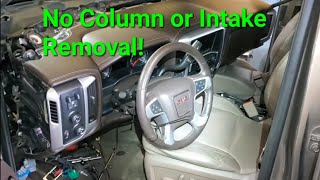
- Replacement is an extremely labor-intensive job (12-16+ hours) that requires removing the entire dashboard.
- Due to the high labor cost, it is critical to replace the heater core, expansion valve, and receiver/drier at the same time.
- This repair is not recommended for DIY mechanics due to its complexity and the need for specialized A/C service equipment.
Is Your Sierra's A/C Evaporator Failing?

A bad A/C evaporator core is a major repair, mostly because of where it's located. Recognizing the symptoms early can help you diagnose the problem correctly. Look for these common signs of failure.
- Warm or Weak Airflow: This is the most common symptom. The air from the vents may not be cold, or the airflow pressure might be weaker than usual.
- Musty or Sweet Smell: A persistent musty smell can mean mold is growing on the evaporator. A sweet, chemical-like smell inside the cabin could be refrigerant leaking out.
- Hissing from the Dashboard: A hissing sound from behind the glove box area when the A/C is on can indicate refrigerant escaping from a crack in the core.
- A/C Compressor Won't Turn On: If the evaporator has a significant leak, the refrigerant level will drop. A pressure switch will then prevent the A/C compressor from turning on to protect it from damage.
- Fluctuating Temperatures: The A/C might blow cold for a few minutes and then switch to warm air as the damaged core freezes up and thaws repeatedly.
Warning: Could It Be the A/C Condenser Instead?
For 2014-2017 GMC Sierra models, in particular, a leaking A/C condenser is a very common problem. The symptoms of a bad condenser (warm air from the vents) are identical to a bad evaporator because both cause a loss of refrigerant. However, the condenser is located in front of the radiator and is a much easier and cheaper part to replace. Before committing to a difficult evaporator job, it is critical to have a mechanic perform a thorough leak test to confirm the exact failure location. GM even issued a special coverage adjustment for some leaking condensers.
Choosing the Right Aftermarket Evaporator Core

Replacing the evaporator core is extremely labor-intensive, requiring the removal of the entire dashboard. Because of the high labor cost, this is not a job you want to do twice. It's wise to invest in a quality part, even if it costs a little more. While OEM is always an option, several aftermarket brands offer reliable alternatives.
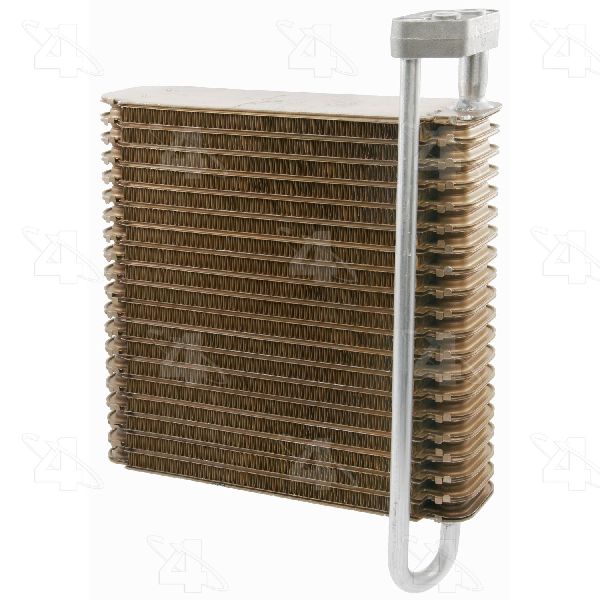
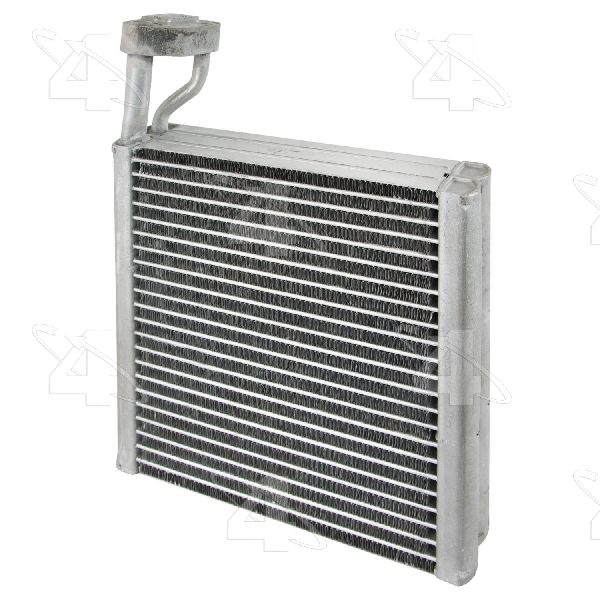
- Four Seasons: A widely available and commonly used aftermarket brand. Forum users have noted that their parts often appear identical to the original equipment and consider them a reliable choice for difficult-to-install parts like an evaporator.
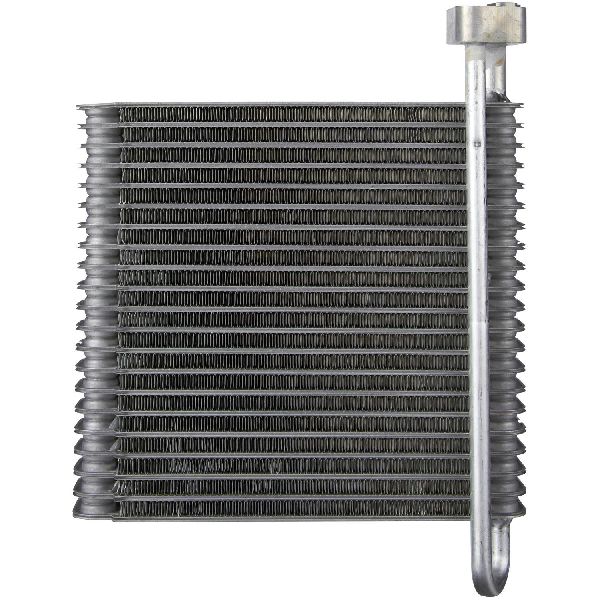
- Spectra Premium: Another well-known brand in the cooling and A/C space. Users have had positive experiences with similar parts like heater cores, noting good fitment. Quality is generally considered to be on par with other major aftermarket brands.
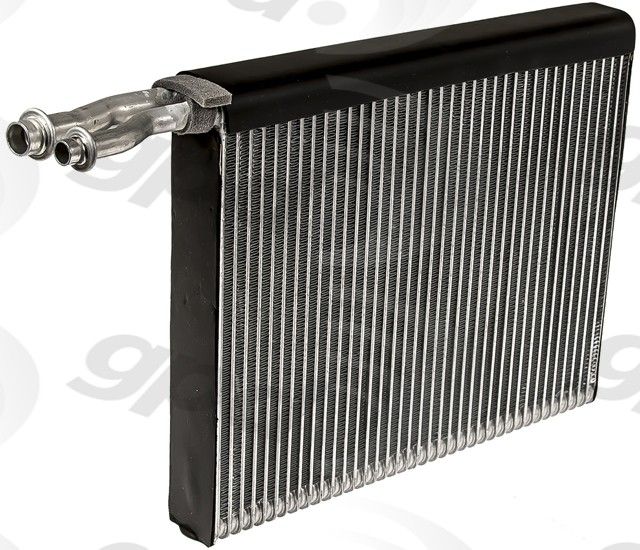
- Global Parts Distributors (GPD): GPD promotes that its evaporator cores are helium leak-tested to ensure quality.
Pro Tip: While the dashboard is out, it is highly recommended to also replace the heater core, A/C expansion valve (or orifice tube), and the receiver/drier (or accumulator). These parts are in the same area and are relatively inexpensive, and replacing them at the same time can save you from another massive labor bill down the road.
Cost to Replace a GMC Sierra A/C Evaporator Core
The cost is dominated by labor. The part itself is affordable, but the 12+ hours of work to access it is what makes this a costly repair.
| Part/Service | Estimated Cost |
|---|---|
| New Aftermarket Evaporator Core | $98 - $156 |
| New OEM Evaporator Core | $386 - $478 |
| Shop Labor | $1,300 - $2,400+ |
| Total Estimated Cost | $1,400 - $2,900+ |
Frequently Asked Questions

Is replacing the A/C evaporator a DIY job?
For most people, no. This is a professional-level repair. It requires removing the entire dashboard assembly, steering column, and center console. The A/C system must also be legally and safely evacuated and recharged using specialized equipment. Attempting this without experience can lead to significant damage to your truck's interior and electronics.
What is the "afterblow" feature I've heard about?
GM issued a Technical Service Bulletin (TSB) for musty odors coming from the vents. This is caused by moisture remaining on the evaporator core after you shut off the truck. The "afterblow" feature is a software setting a dealer can enable, which runs the blower fan for a short time after the engine is off to dry the evaporator and prevent mold growth. This addresses odors but does not fix a refrigerant leak.
Why does my A/C smell like a wet towel?
That musty smell is likely from mold and mildew growing on the evaporator core. Because the core gets cold and dehumidifies the air, it's constantly wet when the A/C is running. If it doesn't dry out properly, this moisture allows microbial growth, causing the odor.
Can I just add more refrigerant if it's leaking?
Adding refrigerant is only a temporary fix. If the leak is in the evaporator, the new refrigerant will simply leak out into the cabin, and you'll be back where you started. This is not a permanent solution and can be harmful, as you should not be breathing in refrigerant chemicals.
Helpful Videos


Technical Specifications
OEM Part Numbers: 13363519
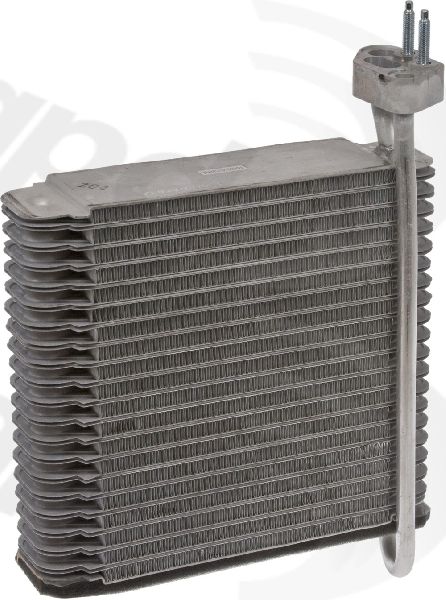
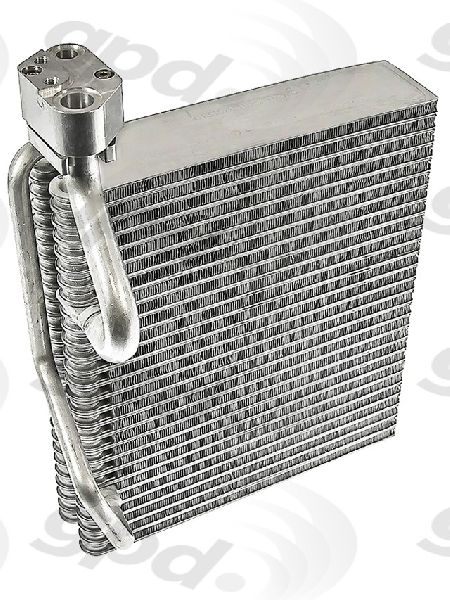
The A/C Evaporator Core is a heat exchanger typically made of aluminum. It is located inside the HVAC housing under the dashboard. It functions by allowing metered liquid refrigerant to expand into a gas, which causes a rapid drop in temperature, cooling the core's fins.
We Have This Part in Stock

The information in this article is provided for general reference and educational purposes only. Vehicle specifications, procedures, and part compatibility can vary by production date, trim level, and region. Always consult your vehicle's factory service manual and verify part numbers before purchasing or performing repairs. Safety-critical components such as airbags, seat belts, and braking systems should be installed by a qualified professional.
- GMC Sierra: