

GMC Acadia Fuel Rail Pressure Sensor: A Complete Guide (2007-2021)
If your Acadia is stalling, hesitating, or has the check engine light on, the fuel rail pressure sensor may be the problem.
- This guide is for the Fuel RAIL Pressure Sensor, which is under the intake manifold, not the easier-to-access sensor on the fuel tank.
- Symptoms are serious and include engine stalling, reduced power, and hard starts, often with code P0191.
- Replacement is a difficult job (2+ hours) requiring removal of the intake manifold, so choosing a quality brand like ACDelco or Bosch is recommended.
- Always verify the part fits your specific year and engine, as first and second generation Acadias use different parts.
Is This the Right Sensor? Rail vs. Tank

Your GMC Acadia has two main pressure sensors related to the fuel system. It is very important to know which one you need. This guide focuses on the Fuel Rail Pressure Sensor, which is mounted directly on the engine's fuel rail and deals with high pressure. A different part, the Fuel Tank Pressure Sensor, is part of the evaporative emissions (EVAP) system and is located on or near the fuel tank. Problems with the fuel rail sensor cause engine running issues, while problems with the tank sensor usually just trigger a check engine light with EVAP codes.
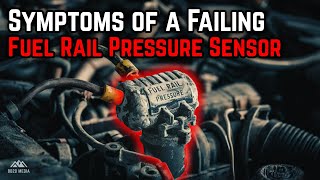
Common Symptoms of a Failing Fuel Rail Pressure Sensor

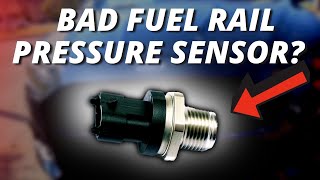
A bad fuel rail pressure sensor sends wrong information to your Acadia's computer, leading to noticeable problems. You might experience 🎬 Watch: A breakdown of common bad sensor symptoms one or more of the following issues:
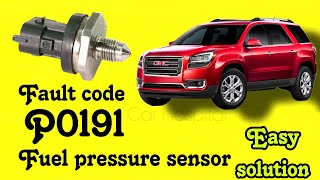
- Check Engine Light: This is often the first sign. You will likely see codes like P0191, P0089, P0171, or P0174. 🎬 See how a P0191 code causes stalling in this Acadia
- Engine Stalling: The engine may stall unexpectedly, sometimes while driving or when coming to a stop. This is a serious safety concern.
- Reduced Engine Power: Your Acadia may go into a "limp mode" to protect the engine, with a message on the dash and very little acceleration.
- Hard Starting: The engine may take longer than usual to start, or you might have to turn the key more than once.
- Rough Idle: The engine may shake, stumble, or idle unevenly when you're stopped.
- Poor Acceleration: The vehicle may feel sluggish and weak when you press the gas pedal.
- Bad Fuel Economy: You may notice you are filling up the gas tank more often than usual.
Related Recalls: Check Your VIN
While there are no recalls for the sensor itself, GM issued recalls for the high-pressure fuel pump on some 2017-2018 Acadias (NHTSA #18V-358) and the in-tank fuel pump on some 2020 models (NHTSA #20V639000). A failing pump can cause similar symptoms and sometimes damage other fuel system parts. It is critical to check if your vehicle is affected by entering your VIN on the NHTSA website.
Choosing the Right Aftermarket Fuel Pressure Sensor

When replacing the sensor, you have several options. Since this part is critical for engine performance and somewhat difficult to replace, choosing a quality part is important.
Brand Quality Tiers
- OEM / Premium Aftermarket (ACDelco, Bosch, Standard Ignition): ACDelco is the original GM parts supplier and is the safest bet for a perfect fit and function. Bosch is a major OEM manufacturer for many car brands and has a reputation for high quality. Standard Motor Products (SMP) is a long-standing aftermarket company known for making reliable parts that meet or exceed OEM standards. These brands are your best choice for reliability and peace of mind.
- Quality Aftermarket (Dorman): Dorman specializes in creating widely available aftermarket parts that often match the original design. They can be a good, cost-effective solution and are a popular choice for DIY repairs.
- Budget-Friendly (URO Parts, Replacement): These brands offer the lowest price point. While they can work, their long-term reliability and manufacturing consistency may not match the premium brands. Given the labor involved in this specific repair, saving a few dollars on the part itself might not be worth the risk of having to do the job again.
| Item | Estimated Cost |
|---|---|
| New Aftermarket Part | $31 - $122 |
| Shop Labor | $200 - $450 |
| Total Estimated Cost (At a Shop) | $231 - $572 |
Pro Tip: Because replacing this sensor requires removing the intake manifold, it's a good time to also replace the intake manifold gaskets. This adds very little to the labor cost and prevents future vacuum leaks.
Frequently Asked Questions (FAQ)

Where is the fuel rail pressure sensor located on a GMC Acadia?
The fuel rail pressure sensor is located on the engine's high-pressure fuel rail. To access it, you must remove the plastic engine cover and the entire upper intake manifold assembly. It is tucked underneath, making it a labor-intensive part to reach.
Can I replace the fuel rail pressure sensor myself?
This is a job for an experienced DIY mechanic. It requires removing the intake manifold, disconnecting fuel lines, and working in a tight space. You must relieve the fuel system pressure before starting. You will also need a thin-walled 27mm socket, as a standard socket may be too thick to fit. If you are not comfortable with this level of work, it is best to leave it to a professional.
What is the difference between the sensor for a 2015 Acadia and a 2018 Acadia?
The GMC Acadia was completely redesigned for the 2017 model year. The first generation (2007-2016) and second generation (2017-2021) use different engines and fuel systems. Therefore, the fuel pressure sensors are not interchangeable. Always confirm the part fits your exact year, model, and engine (3.6L V6 vs 2.5L I4) before purchasing.
Is it better to buy an OEM or aftermarket sensor?
For a critical and labor-intensive part like this, an OEM (ACDelco) or a premium aftermarket brand like Bosch or Standard Motor Products is highly recommended for reliability. While budget parts are cheaper, the potential cost of repeating the 2+ hour repair job outweighs the initial savings.
Helpful Videos
Technical Specifications
OEM Part Numbers: 12621292 12635273 12651990 213-4420 13500745
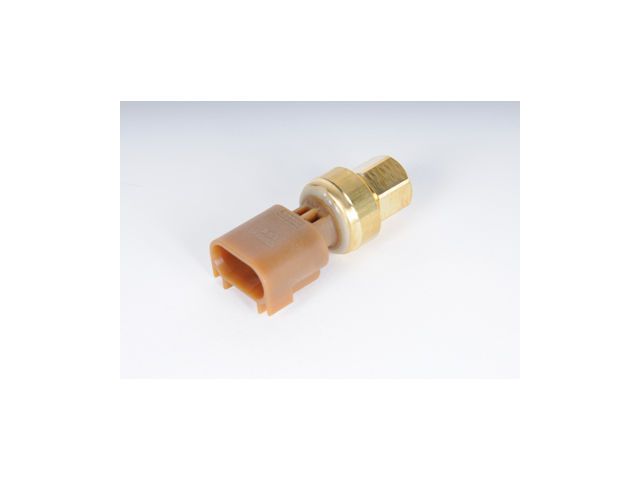
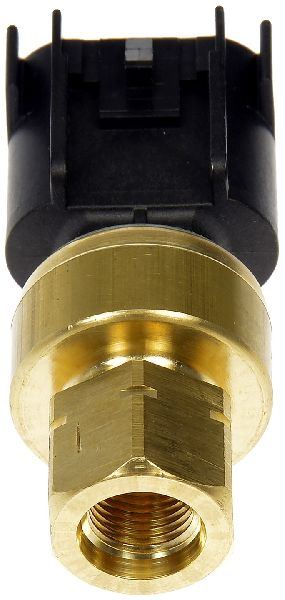
This sensor is for the high-pressure side of the direct injection fuel system. It is typically a 3-pin electronic sensor that threads into the fuel rail. Part numbers vary significantly between Gen 1 (2007-2016) and Gen 2 (2017-2021) models, and also by engine type (2.5L vs 3.6L).
We Have This Part in Stock


The information in this article is provided for general reference and educational purposes only. Vehicle specifications, procedures, and part compatibility can vary by production date, trim level, and region. Always consult your vehicle's factory service manual and verify part numbers before purchasing or performing repairs. Safety-critical components such as airbags, seat belts, and braking systems should be installed by a qualified professional.
- GMC Acadia: