

Volkswagen Jetta Alternator Guide for Model Years 2007-2020
Keep your Jetta's electrical system healthy by understanding what it takes to replace a failing alternator.
- Confirm the correct amperage (e.g., 110A, 140A) before ordering a new alternator to match your Jetta's original equipment.
- Consider replacing the serpentine belt and inspecting the decoupler pulley at the same time as the alternator.
- Bosch and Valeo are the most common OEM suppliers for Volkswagen, making their aftermarket units a top-tier choice.
- Symptoms like a battery light, dimming headlights, and strange noises are strong indicators of a failing alternator.
Is Your Jetta's Alternator Failing?

When an alternator starts to go bad, it gives several warning signs. Paying attention to these symptoms can prevent you from being stranded. A failing alternator can't properly charge the battery or power your car's electronics.
- Battery Warning Light: The most obvious sign is the battery light on your dashboard. This light indicates a problem with the charging system, and the alternator is a primary suspect. A healthy alternator should produce around 13.5 to 14.5 volts when the engine is running. If the voltage drops below that, the warning light will often appear.
- Dim or Flickering Lights: If your headlights or interior dashboard lights seem dim, flicker, or fluctuate in brightness as you accelerate, it's a strong sign the alternator is struggling to provide consistent power.
- Slow or Malfunctioning Electronics: Power windows that move slowly, a radio that cuts out, or heated seats that don't warm up properly can all be caused by an alternator that isn't supplying enough electricity.
- Strange Noises: A whining or grinding sound coming from the engine bay can indicate a problem with the alternator's internal bearings or the pulley. Many VW Jetta alternators use a special decoupler or clutch pulley that can fail, causing noise and charging issues.
- Weak or Dead Battery: While a dead battery can be due to its own age, it can also be a symptom of a bad alternator that isn't recharging it. If you have to jump-start your Jetta frequently, the alternator is likely the root cause.
Pro Tip: Check the Pulley First
Many Jetta models from this era use an alternator decoupler pulley (ADP) or clutch pulley. This pulley can fail before the alternator itself, causing a rattling or whining noise. Sometimes, just replacing the pulley can solve the problem without needing a whole new alternator.
Choosing the Right Aftermarket Alternator

When replacing the alternator on your Jetta, you have several choices. While a new OEM (Original Equipment Manufacturer) part from a Volkswagen dealer is an option, high-quality aftermarket parts can offer the same performance for less money.
- Premium Aftermarket (OEM-Equivalent): Brands like Bosch and Valeo are often the original suppliers for Volkswagen. Choosing a new alternator from one of these brands is the closest you can get to dealer quality. They are designed to meet or exceed the original specifications for fit and performance.
- Quality Aftermarket: Brands such as Denso, Remy, WAI Global, and BBB Industries produce reliable new and remanufactured alternators. These parts offer a great balance of quality and value and are a dependable choice for most owners.
- Remanufactured vs. New: A new aftermarket alternator is made with all-new components. A remanufactured unit has been rebuilt from an original alternator core, with worn parts replaced. Both can be reliable options, but new units often come with a longer warranty and provide extra peace of mind.
Important: Match the Amperage!
Jetta models use alternators with different amperage ratings, commonly 110A, 140A, or 150A. It is critical to match the amperage of your new alternator to the original one. Installing an alternator with lower amperage can cause electrical problems and premature failure. Check the sticker on your old alternator or consult your vehicle's specifications to confirm the correct rating.
Known Issues, Recalls, and TSBs

Searches for official recalls and Technical Service Bulletins (TSBs) for the 2007-2020 Volkswagen Jetta did not reveal any widespread campaigns specifically targeting alternator failure. However, some owners have reported recurring electrical issues that can be traced back to faulty grounds or wiring, which can put extra strain on the alternator. One recall for 2019-2020 Jettas concerned a faulty ignition switch, which is part of the broader electrical system but not the alternator itself.
| Part Type | Estimated Cost |
|---|---|
| New Aftermarket | $132.60 - $608.14 |
| Remanufactured Aftermarket | $215 - $445 |
| New OEM (Dealer) | $600 - $1100+ |
| Shop Labor | $250 - $500 |
Frequently Asked Questions

How do I know if it's the alternator or just a bad battery?
A simple test can help. Jump-start your car. If it starts and continues to run, but dies shortly after the jumper cables are removed, the alternator is likely the problem. If the car runs fine after the jump-start, but won't start again later on its own, the battery may not be holding a charge. For a definitive diagnosis, have a technician test the charging system voltage.
🎬 Watch this guide on diagnosing common Jetta alternator issues.Is it difficult to replace a Jetta alternator myself?
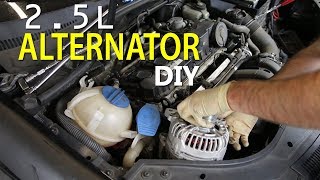
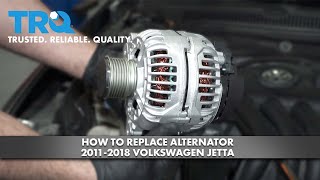
Replacement difficulty varies by engine. On some models, like the 2.5L 5-cylinder, it can be a tight fit, 🎬 See how to replace the alternator on a 2.5L engine. sometimes requiring the removal of other components or even loosening an engine mount to create enough clearance. For other engines, access is more direct. 🎬 Follow this step-by-step replacement video for 2011-2018 Jetta models. It is an intermediate-level job that requires disconnecting the battery, removing the serpentine belt, and unbolting the unit. If you are not comfortable working in a tight engine bay, it's best to leave this job to a professional.
What is an alternator decoupler pulley and why does it matter?
Many modern VWs, including the Jetta, use a special pulley with a one-way clutch. This pulley helps absorb engine vibrations and allows the alternator to spin down smoothly when the engine decelerates, reducing wear on the belt and tensioner. These pulleys are a common failure point and can cause a rattling noise or a charging failure even if the alternator itself is still good.
Are there any other parts I should replace with the alternator?
Yes. It is highly recommended to replace the serpentine belt when you install a new alternator. The belt has to be removed anyway, and it is a critical wear item. Also, inspect the belt tensioner and idler pulleys for noise or play and replace them if necessary.
Helpful Videos
Technical Specifications
OEM Part Numbers: 06K-903-023-G 06J903023H 04E-903-025J 07K903023AX
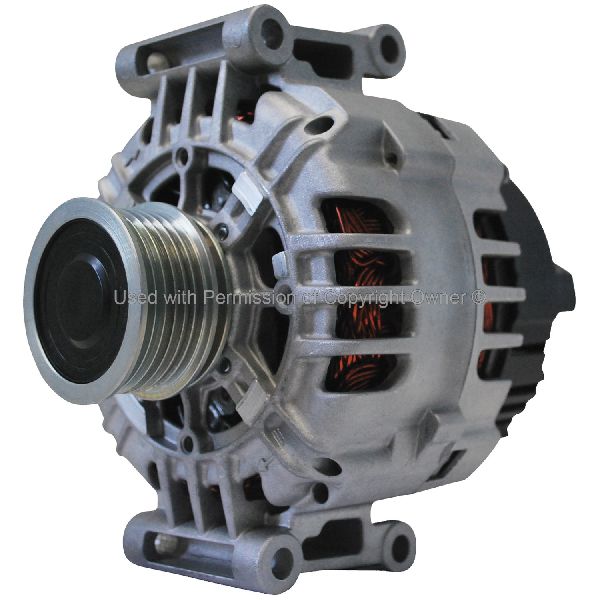
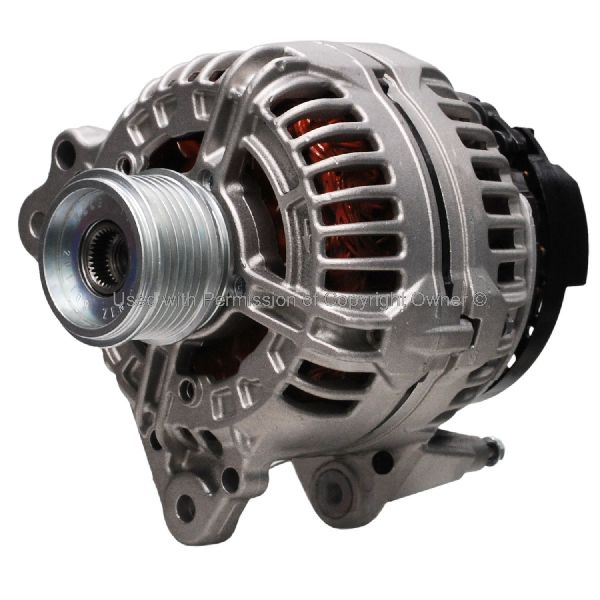
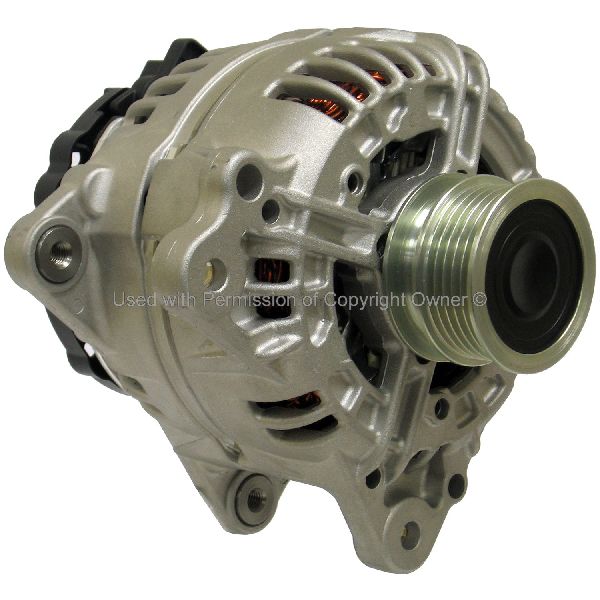
Amperage ratings typically range from 110A to 150A. Most models use a 6-groove serpentine pulley, often with a decoupler or clutch mechanism. The voltage is 12V with an internal voltage regulator.
We Have This Part in Stock


The information in this article is provided for general reference and educational purposes only. Vehicle specifications, procedures, and part compatibility can vary by production date, trim level, and region. Always consult your vehicle's factory service manual and verify part numbers before purchasing or performing repairs. Safety-critical components such as airbags, seat belts, and braking systems should be installed by a qualified professional.
- Volkswagen Jetta: