

Subaru Legacy Alternator Guide: 2007-2019 Failure Signs & Replacement
Is that whining noise or dimming headlight a sign your Legacy's alternator is failing?
- A whining noise that changes pitch with engine speed is the number one sign of a failing alternator in a Legacy.
- Don't automatically blame the battery; a bad alternator will prevent even a new battery from staying charged.
- For 2019 models, a recurring dead battery could be a faulty DCM module, not the alternator.
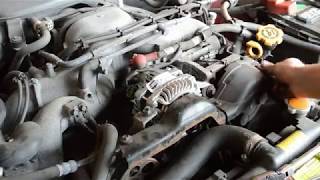
- Replacement is a very manageable DIY job for most owners, thanks to the alternator's easy-to-access location on top of the engine.
Is Your Subaru Legacy's Alternator Failing?

A failing alternator in a 2007-2019 Subaru Legacy gives clear warning signs. Recognizing them early can save you from being stranded. The most common complaint is a distinct noise, but electrical issues are also a major red flag.
Top 5 Failure Symptoms
- Whining or Grinding Noise: The most reported symptom is a whining sound from the engine bay that changes pitch as you rev the engine. This is often caused by worn-out internal bearings. A more severe grinding noise means the bearings are close to total failure.
- Dim or Flickering Lights: If your headlights and dashboard lights seem dim, flicker, or get brighter when you accelerate, the alternator isn't providing consistent power.
- Recurring Dead Battery: You might blame the battery, but if you need frequent jump-starts, the alternator is the likely culprit. It's not recharging the battery as you drive, causing even a new battery to die.
- Electrical Glitches: Slow power windows, a radio that cuts out, or other strange electronic behavior can happen when the alternator can't meet the car's electrical demands.
- Battery Warning Light: A light shaped like a battery on your dashboard indicates a problem in the charging system. While it can mean a battery issue, it often points directly to a failing alternator. 🎬 Watch: A quick guide to diagnosing your Subaru's charging system.
Special Note for 2019 Legacy Owners
If you have a 2019 Subaru Legacy with a recurring dead battery, the issue may not be the alternator. A faulty Data Communication Module (DCM), part of the Starlink system, can cause a parasitic battery drain that mimics a bad alternator. It's worth having a dealer investigate this possibility before replacing the alternator.
Choosing a New Aftermarket Alternator

When replacing your Legacy's alternator, you have a choice between Original Equipment (OEM) and aftermarket parts. OEM parts are what the car was built with and offer guaranteed quality and fit, but at a higher price. Aftermarket parts can offer excellent value, but quality varies between brands.
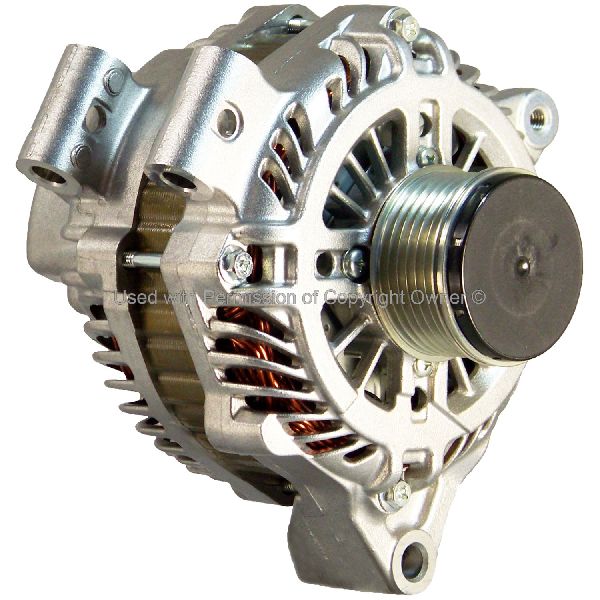
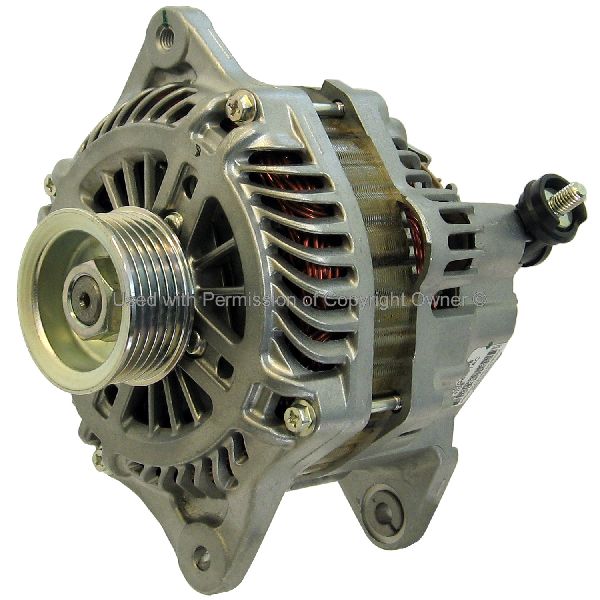
- Premium Aftermarket (e.g., Denso, some new MPA units): Brands like Denso are often the original OE supplier and offer the same quality without the dealer markup. New units from reputable brands like MPA (Motorcar Parts of America) are built to meet or exceed OE specifications with new components.
- Value Aftermarket (e.g., ACDelco, BBB Industries, Remy, most Remanufactured): These brands offer a cost-effective solution. However, quality can be inconsistent. Forum users have reported premature failures with some remanufactured units, such as bad bearings causing noise within a year. While many of these parts work fine, they are generally considered a tier below OEM or premium new aftermarket parts.
Pro Tip: Replace More Than Just the Alternator
While you have everything apart, it is highly recommended to replace the serpentine belt, tensioner, and any idler pulleys. These parts wear out at a similar rate, and replacing them with the alternator is cheap insurance against future problems.
Cost to Replace a Subaru Legacy Alternator

| Part/Service | Estimated Cost |
|---|---|
| New Aftermarket Part | $148 - $376 |
| New OEM Part | $500 - $730+ |
| Shop Labor | $180 - $270 |
| Total (DIY) | $148 - $376 |
| Total (Shop) | $328 - $1000+ |
Frequently Asked Questions

Is an aftermarket alternator okay for my Subaru?
Yes, a quality aftermarket alternator is a perfectly acceptable choice. Sticking to well-regarded brands that offer new (not remanufactured) units with a good warranty can provide OEM-level performance for less money. However, be wary of the cheapest options, as they have a higher rate of premature failure.
How difficult is it to replace the alternator myself?
For most 2007-2019 Legacy models, this is a very DIY-friendly job. The alternator is located on the top of the engine and is easy to access. The process requires basic hand tools and typically takes about 1 to 1.5 hours.
🎬 See this step-by-step walkthrough for replacing a Legacy alternator.What causes the whining noise?
The whining or growling noise is almost always caused by failing bearings inside the alternator. The bearings allow the internal rotor to spin smoothly at thousands of RPMs. When they wear out, they create noise that rises and falls with engine speed.
🎬 Listen: Hear what a failing Subaru alternator bearing sounds like.My battery is new but my car won't start. Could it be the alternator?
Absolutely. This is a classic symptom of a bad alternator. The alternator's job is to recharge the battery while you drive. If it fails, your new battery will power the car for a short time until its own charge is depleted, leaving you with a car that won't start.
Helpful Videos
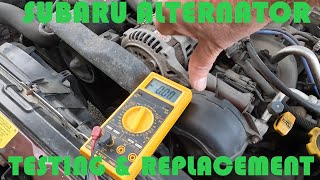
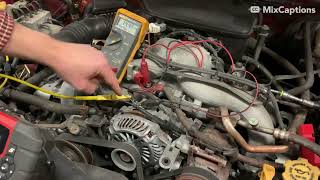
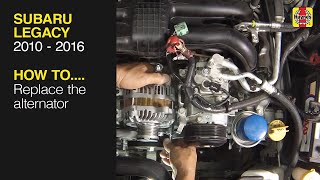
Technical Specifications
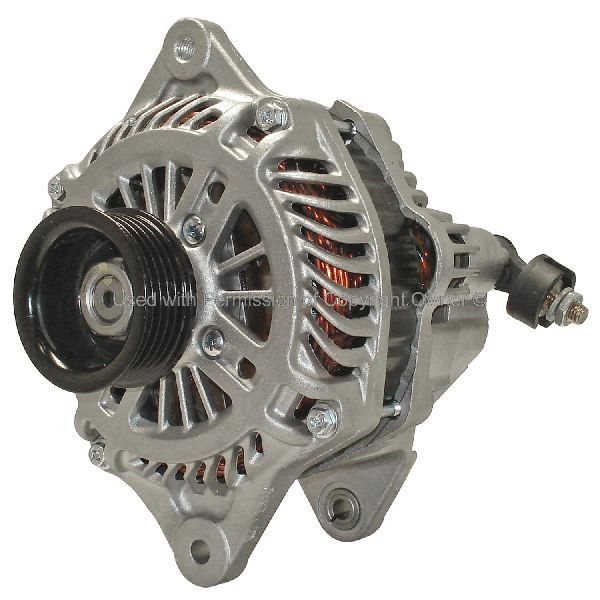
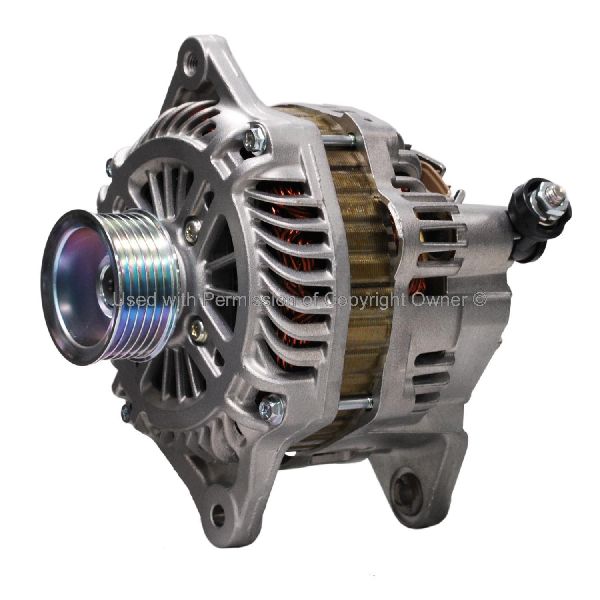
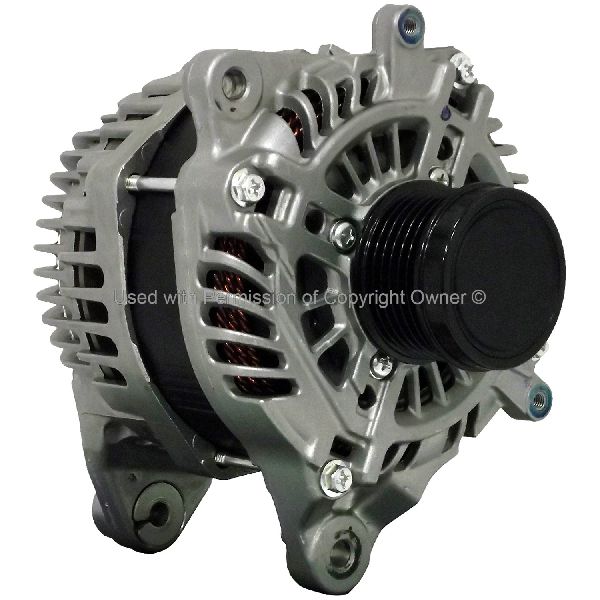
Ensure the replacement alternator has the same amperage rating (e.g., 110A, 140A) and the correct electrical plug connector as your original unit. Amperage requirements can vary by trim level and model year.
We Have This Part in Stock


The information in this article is provided for general reference and educational purposes only. Vehicle specifications, procedures, and part compatibility can vary by production date, trim level, and region. Always consult your vehicle's factory service manual and verify part numbers before purchasing or performing repairs. Safety-critical components such as airbags, seat belts, and braking systems should be installed by a qualified professional.
- Subaru Legacy: