

A Guide to Replacing the Catalytic Converter on Your 2007-2018 Lincoln MKX
Understand the signs of a failing catalytic converter and how to choose the right aftermarket replacement for your Lincoln MKX.
- A failing catalytic converter is almost always a symptom of another problem; you must fix the root cause (like misfires or bad O2 sensors) to avoid damaging the new part.
- For the Lincoln MKX, many replacement converters are integrated with the exhaust manifold, making the job more complex.
- Premium aftermarket brands like MagnaFlow and Walker are trusted by mechanics, while budget brands may have fitment or longevity issues.
- Always verify the part is emissions-compliant for your state (EPA vs. CARB) before purchasing.
Is Your Lincoln MKX Catalytic Converter Failing?

A catalytic converter should ideally last the life of your vehicle, but sometimes they fail. This is almost always caused by another problem, like engine misfires, that sends unburned fuel into the exhaust. This raw fuel can overheat and destroy the delicate honeycomb structure inside the converter. Ignoring the signs can lead to more expensive repairs down the road.
Common Symptoms of a Bad Converter

If your MKX's catalytic converter is going bad, you'll likely notice one or more of these signs:
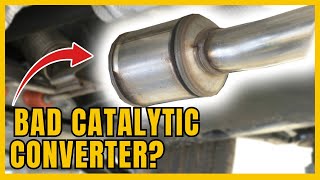
🎬 Watch this video to see common symptoms of a bad converter.- Check Engine Light: This is the most common sign. The light will come on if the oxygen sensors detect the converter isn't working efficiently. You'll often see codes like P0420 or P0430.
- Reduced Engine Power: A clogged converter restricts exhaust flow, making your MKX feel sluggish and slow to accelerate.
- Rotten Egg Smell: A failing converter can't properly process sulfur in the gasoline, resulting in a distinct rotten egg or sulfur smell from the exhaust.
- Rattling Noises: The internal honeycomb structure can break apart, causing a rattling sound from underneath the vehicle, especially at startup or idle.
- Poor Fuel Economy: Your engine has to work harder to push exhaust through a clog, which burns more fuel.
Address the Root Cause First!
A new catalytic converter can be quickly ruined if you don't fix the original problem that caused it to fail. Before replacement, ensure your mechanic checks for and repairs any engine misfires, faulty oxygen sensors, or oil and coolant leaks.
Choosing the Right Aftermarket Converter for Your MKX

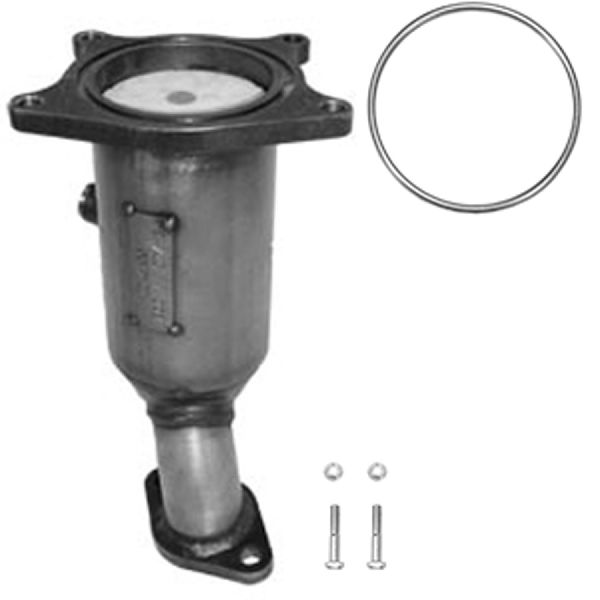
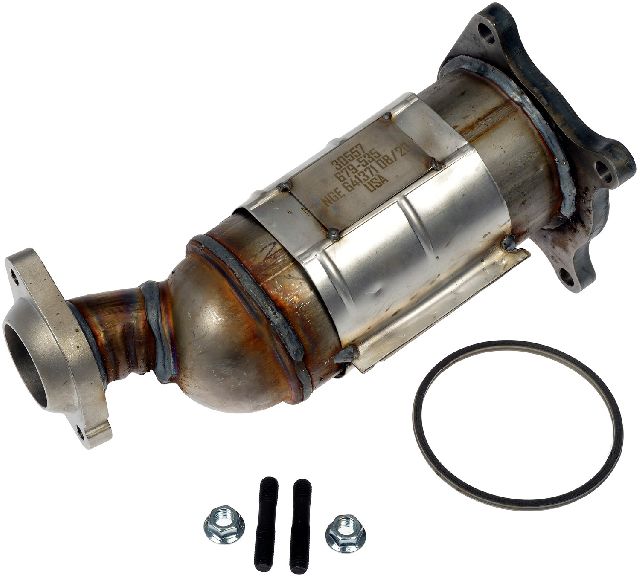
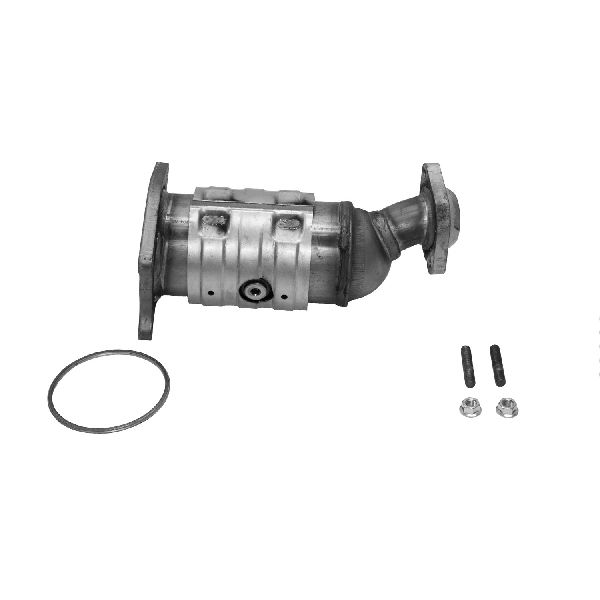
For the Lincoln MKX, many catalytic converters are integrated directly into the exhaust manifold. This means you'll be replacing the manifold and converter as a single unit. When shopping for an aftermarket part, you'll find a range of quality and price.
Brand Tiers: What to Expect
- Premium Aftermarket (MagnaFlow, Walker): These brands are well-regarded by mechanics for their quality and fitment. MagnaFlow is known for stainless steel construction and performance, while Walker is a trusted name for reliable, function-over-form replacements. They are more expensive but are less likely to cause issues.
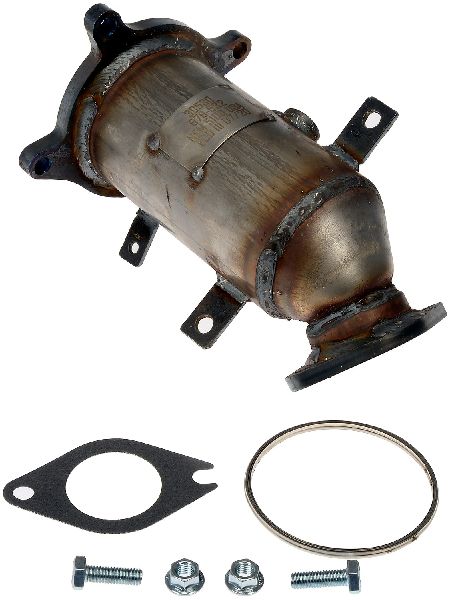
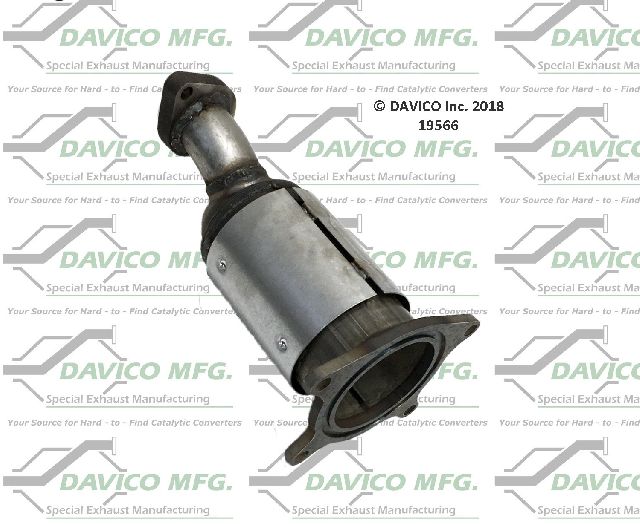
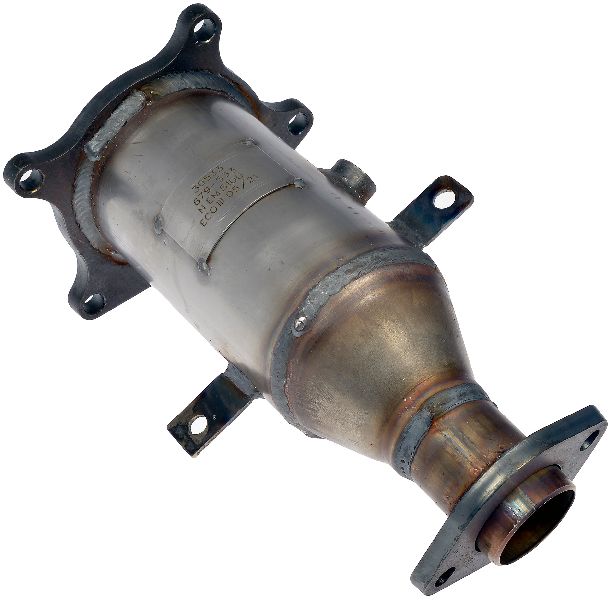
- Standard/Economy Aftermarket (AP Exhaust, Dorman, Eastern Catalytic, Davico): These brands offer a more budget-friendly option. Dorman provides a wide range of direct-fit manifold converters for the MKX. However, some budget brands can have issues. Forum users have reported fitment problems or premature failure with brands like Davico. While they can get you back on the road, they may not last as long as premium options or the original OEM part.
Known Issues, Recalls, and TSBs

While there are no widespread recalls specifically for the catalytic converter on the consumer version of the 2007-2018 Lincoln MKX, it's important to be aware of related issues. Ford did issue a customer satisfaction program (19M01) for police-interceptor vehicles (which share a platform with the MKX/Edge) for catalytic converter overheating due to aggressive driving, extending the warranty for those specific vehicles. Some owners of 2016 MKX models have reported catalytic converter failure potentially linked to a separate PCM recall. Additionally, Technical Service Bulletins (TSBs) have been issued for related problems, such as TSB #SSM 47339 for an exhaust leak that could trigger a P013C code on 2017-2018 models. You can check for any open recalls on your specific vehicle using your VIN on the NHTSA or Lincoln owner websites.
| Part/Service | Estimated Cost |
|---|---|
| New Aftermarket Converter | $215 - $590 |
| New OEM Converter | $1,200 - $1,300+ |
| Shop Labor | $390 - $575 |
| Total Aftermarket Replacement | $605 - $1,165 |
| Total OEM Replacement | $1,590 - $1,875+ |
Frequently Asked Questions
Can I replace just one catalytic converter on my V6 MKX?
Yes. The V6 engines in the Lincoln MKX have two catalytic converters (Bank 1 and Bank 2). Diagnostic trouble codes like P0420 (Bank 1) and P0430 (Bank 2) will tell you which side has failed. You only need to replace the failed converter.
Is it hard to replace the catalytic converter on a Lincoln MKX myself?
This is an advanced DIY job. For many MKX models, the converters are part of the exhaust manifold, requiring significant work to access and remove. Bolts are often rusted and may require cutting or heat to remove. Due to the difficulty and the need for specific tools, this job is best left to a professional mechanic for most owners.
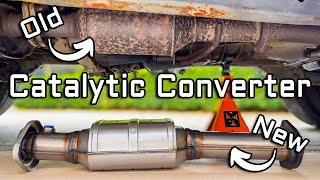
🎬 See what is involved in a DIY catalytic converter replacement.Will a cheaper aftermarket converter turn my Check Engine Light off?
It should, but sometimes it's not that simple. Cheaper converters use less of the expensive precious metals that do the cleaning. This can sometimes lead to the converter being less efficient, and the Check Engine Light may come back on, especially after some time. Some owners have reported having to use OEM oxygen sensors even with an aftermarket converter to solve persistent codes.
What are the differences between the converters on the first and second generation MKX?
The first generation (2007-2015) and second generation (2016-2018) use different engines and exhaust configurations. For example, the 3.7L V6 was common in both generations but may have different part numbers for the converters. It is crucial to order the part that is specifically listed for your vehicle's year, model, and engine size to ensure proper fitment.
Helpful Videos
Technical Specifications
For many 2007-2018 Lincoln MKX models, the catalytic converters are an integrated component of the exhaust manifold. The specific part needed depends on the engine (3.5L, 3.7L, or 2.7L) and the model year. Replacements can be direct-fit or universal, though direct-fit is highly recommended for this vehicle.
We Have This Part in Stock

The information in this article is provided for general reference and educational purposes only. Vehicle specifications, procedures, and part compatibility can vary by production date, trim level, and region. Always consult your vehicle's factory service manual and verify part numbers before purchasing or performing repairs. Safety-critical components such as airbags, seat belts, and braking systems should be installed by a qualified professional.
- Lincoln MKX: