

A Guide to the 2007-2017 Jeep Patriot ABS Wheel Speed Sensor
Understanding why your ABS, traction control, and 4WD lights are on and what to do about it.
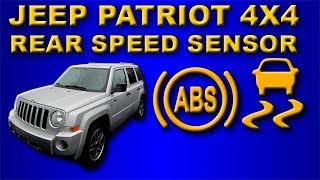
- A bad ABS sensor on a Patriot will trigger the ABS, Traction Control, and often the 4WD! lights simultaneously.
- Use an OBD2 scanner that can read ABS codes to identify the specific failed sensor before buying parts.
- This is a common DIY repair, but sensors can get stuck in the hub due to rust.
- Aftermarket brands like Delphi and NGK offer OEM-level quality, while brands like Dorman offer a cost-effective solution.
Diagnosing a Bad ABS Sensor in Your Patriot

A failing ABS wheel speed sensor is a very common issue on the 2007-2017 Jeep Patriot. The most obvious sign is a combination of warning lights on your dashboard. You will almost always see the ABS and the Traction Control (or ESP/BAS) lights come on together. 🎬 Watch this guide to diagnosing common ABS and traction control codes. In 4WD models, the "4WD!" warning light will often illuminate as well. This happens because all these systems rely on the same wheel speed information, and when one sensor stops reporting, the computer disables them all as a precaution.
Don't Ignore the Lights
While the vehicle is often still drivable, these warning lights mean your primary safety systems are offline. Your brakes will function like a standard, non-ABS system, meaning the wheels can lock during a hard stop. Your traction and stability control will not intervene to prevent a skid. Some owners report temporary loss of acceleration or the vehicle entering a "limp mode" when the sensor first fails.
Choosing the Right Aftermarket Sensor

When it's time to replace a sensor, you don't have to buy the expensive OEM part from a dealer. The aftermarket offers many options that provide a good balance of quality and value. However, not all aftermarket sensors are created equal.
- OEM-Quality Brands (e.g., Delphi, NGK/NTK, Standard Ignition): These manufacturers are often original equipment suppliers to many car brands. Their parts are engineered to match the original's performance and durability. They use high-quality materials, like glass-reinforced plastics and weather-pack connectors, to resist contamination and ensure a long service life.
- Value-Oriented Brands (e.g., Dorman, Holstein, Walker Products): These brands focus on providing a cost-effective solution that matches the fit and function of the original part. They are a popular choice for DIY repairs and can be a good option, though some forum users report mixed experiences with long-term durability compared to premium brands.
- Store Brands/Economy Lines (e.g., Carquest, Duralast): These parts offer a budget-friendly price and often come with a lifetime warranty, which can be appealing. However, some owners have reported receiving parts that are faulty out of the box, so it's important to test them if possible.
Pro Tip: Before you buy, use an OBD2 scanner that can read ABS codes to identify which specific wheel sensor has failed. This will prevent you from replacing the wrong part. Many auto parts stores will scan your codes for free.
Expected Replacement Costs

Replacing an ABS sensor on a Jeep Patriot is a common and relatively affordable repair. The cost will depend on whether you do it yourself or take it to a shop.
| Item | Estimated Cost |
|---|---|
| New Aftermarket ABS Sensor | $30 - $60 |
| Shop Labor Cost | $50 - $100 |
| Total (Shop Repair) | $80 - $160 |
Frequently Asked Questions

What causes Jeep Patriot ABS sensors to fail?
The sensors are located at the wheels, exposed to water, dirt, and road salt. Over time, the sensor itself can fail, or the wiring can become corroded or damaged. On Patriots, a common point of failure is the thin metal clip that holds the sensor in the wheel hub; it can rust away, allowing the sensor to move and get an incorrect reading. In some cases, a bad wheel bearing can also damage the sensor or the magnetic ring 🎬 Watch how a bad rear hub and bearing affects the sensor. it reads.
Can I replace just one sensor?
Yes. You only need to replace the sensor that has failed. An ABS-capable code scanner will give you a specific code (e.g., C1027, C1043) that points to the exact sensor, such as "Right Front Wheel Speed Sensor Circuit." Replacing parts that aren't broken won't solve the problem.
Is replacing the sensor a DIY job?
Yes, for many owners this is a straightforward DIY repair. The front and rear sensors are replaced differently. The front sensor is held by a single bolt and the wire is routed into the engine bay. 🎬 See this step-by-step walkthrough for replacing the front wheel sensors. The rear sensor wire is routed into the trunk area behind the trim panels. The most common difficulty is the sensor seizing in the wheel hub due to rust, or the plastic retaining clips for the wire breaking during removal. New sensors typically come with new clips.
Do I need to reset the computer after replacing the sensor?
Often, you don't. After replacing the faulty sensor, the ABS light and other warning lights will typically turn off by themselves after driving a short distance (e.g., above 10-20 mph). If the lights remain on, you can use a scanner to clear the codes or disconnect the battery for about 15 minutes to reset the system.
Are there any recalls for this issue?
There was a safety recall (NHTSA ID: F50) for some 2007 model year Jeep Patriots related to the ABS control module software, which could cause rear-wheel lockup. This recall involved reprogramming the module, not replacing the sensors. There are no widespread recalls specifically for the failure of the wheel speed sensors themselves. Always check the NHTSA website with your VIN for any open recalls on your vehicle.
Helpful Videos
Technical Specifications
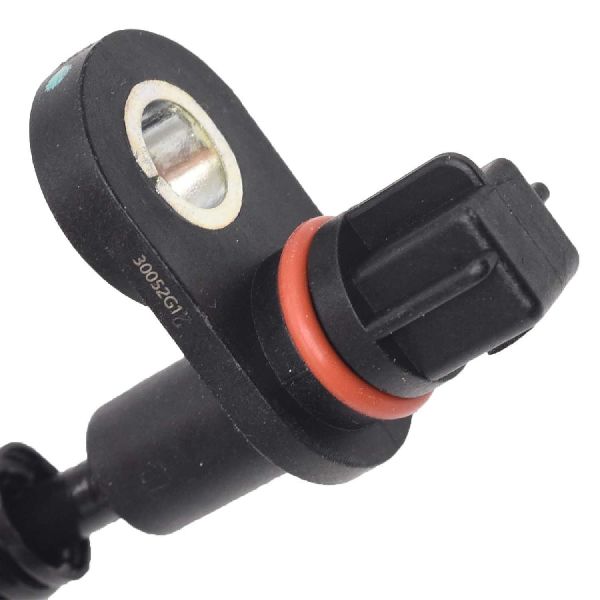
The ABS wheel speed sensor for the Jeep Patriot is a magnetic sensor that reads the rotational speed of the wheel from a tone ring or magnetic encoder on the wheel hub assembly. It is a direct-fit replacement part with an integrated wiring harness and connector.
We Have This Part in Stock


The information in this article is provided for general reference and educational purposes only. Vehicle specifications, procedures, and part compatibility can vary by production date, trim level, and region. Always consult your vehicle's factory service manual and verify part numbers before purchasing or performing repairs. Safety-critical components such as airbags, seat belts, and braking systems should be installed by a qualified professional.
- Jeep Patriot: