

Choosing the Right Aftermarket Brake Pads for Your 2007-2017 Honda CR-V
Don't just replace your CR-V's brake pads—understand your options to get the best performance and value for your specific needs.
- Pay close attention to rear brake pad wear, as 2007-2017 CR-Vs are known for issues with sticking rear calipers that cause premature wear.
- For a factory-like feel, choose OEM-equivalent brands like Akebono or Bosch.
- When replacing pads, especially on the rear, always service the caliper slide pins to prevent future problems.
- Always verify the part number fits your exact year, as brake pads differ between the 2007-2011 and 2012-2016 generations.
Signs Your CR-V Needs New Brake Pads


Your Honda CR-V will give you clear signals when its brake pads are wearing thin. Ignoring these signs can lead to more expensive repairs, like needing to replace brake rotors or calipers. Listen and feel for these common symptoms:
- Squealing or Grinding Noises: A high-pitched squeal when you brake is often the first sign. This sound comes from a small metal tab called a wear indicator. If you hear a harsher grinding sound, it means the pads are completely worn out, and metal is grinding against metal.
- Pulsating Brake Pedal: If you feel a pulsing or vibration in the brake pedal when you stop, it can be a sign of warped brake rotors, which often happens when pads are worn down.
- Longer Stopping Distance: If your CR-V takes longer to stop than it used to, your brake pads may be too worn to create enough friction.
- Brake Warning Light: A brake system warning light on your dashboard indicates a problem that needs immediate attention.
Known Issue: Premature Rear Brake Wear
Many CR-V owners from this generation (2007-2016) report that their rear brake pads wear out unusually fast, sometimes even faster than the front pads. This is often caused by sticking rear caliper slide pins or the caliper itself, which keeps the pads slightly engaged with the rotor. When replacing your rear pads, it is critical to clean and lubricate the caliper slide pins thoroughly with silicone grease. If the wear is severe or uneven, consider replacing the caliper as well.
Choosing the Right Aftermarket Brake Pads

Aftermarket brake pads offer a wide range of choices in terms of price, performance, and material. For your CR-V, these can be grouped into three main tiers. Remember that many brands offer pads in multiple tiers.
Tier 1: OEM-Equivalent Quality
These brands are known for providing parts that meet or exceed the original factory specifications. Akebono is a known original equipment manufacturer (OEM) for Honda, making their ProACT line a popular choice for owners who want to restore factory performance. Bosch is another highly recommended brand known for quiet, reliable performance.
- Akebono: Often the original supplier for Honda. Known for being quiet, low-dust, and very close to factory performance.
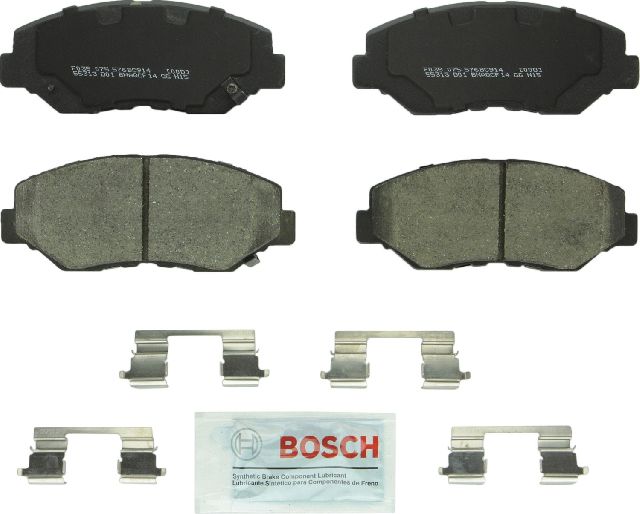
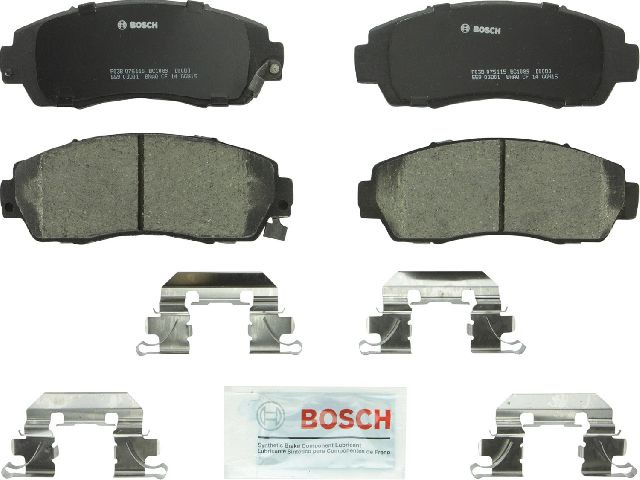
- Bosch: The QuietCast line is a popular premium ceramic option, praised for quiet operation and low dust.
- Raybestos: The Element3 line is a well-regarded premium option, often available as a hybrid ceramic/semi-metallic formula for improved stopping power.
- Wagner: A long-standing brand offering quality ceramic pads that are a solid choice for daily driving.
Tier 2: Performance & Heavy-Duty
If you frequently carry heavy loads, tow, or simply want more aggressive stopping power, a performance pad is a good upgrade. These pads often create more dust and can be noisier than OEM-style pads.
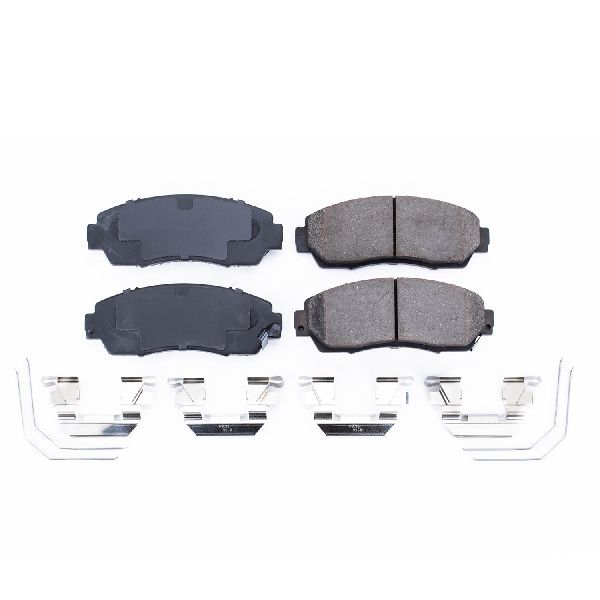
- Powerstop: Their Z23 (Sport) and Z17 (Evolution) kits are very popular for a noticeable upgrade in braking force. Note that performance pads like the Z23 may require some heat to work at their best.
- Hawk Performance: A well-known brand in the performance space, offering various compounds for different driving styles.
- EBC Brakes: Offers a range of pads from daily driver upgrades to high-performance options, often color-coded by their intended use.
- Brembo: Famous for high-performance braking systems, they also offer premium aftermarket pads that are a step up from stock.
Tier 3: Economy & Budget
These pads are the most affordable and are suitable for basic transportation needs. While they meet safety standards, they may not last as long or be as quiet as premium options. Brands like Pronto, Dynamic Friction, and some lower-tier lines from major manufacturers fall into this category.
Pro Tip: Ceramic vs. Semi-Metallic
Most aftermarket pads for the CR-V are ceramic. Ceramic pads are quiet, produce a fine, light-colored dust that doesn't stick to wheels, and are gentle on brake rotors. Semi-metallic pads offer better performance in heavy-duty or aggressive driving because they handle heat better, but they are often noisier and produce more dark-colored dust. For the average CR-V driver, ceramic pads are the recommended choice.
Cost of Replacing Brake Pads on a 2007-2017 Honda CR-V

| Part/Service | Estimated Cost |
|---|---|
| Aftermarket Disc Brake Pad Set (Front or Rear) | $26 - $226 |
| Shop Labor for Pad Replacement (per axle) | $125 - $250 |
| Total DIY Cost (Pads Only) | $26 - $226 |
| Estimated Shop Cost (Pads + Labor, per axle) | $151 - $476 |
Note: Costs are estimates and can vary based on location, the specific product chosen, and the condition of other brake components like rotors and calipers. It is highly recommended to replace or resurface brake rotors when installing new pads.
Frequently Asked Questions
Do I need to replace my rotors with my brake pads?
It is highly recommended. Installing new pads on old, worn rotors can cause noise, vibration, and reduced pad life. At a minimum, the rotors should be smooth and within the manufacturer's thickness specification. For best results, replace rotors and pads at the same time.
Why are my rear brake pads wearing out so fast?
This is a common issue for 2007-2017 CR-Vs. It's usually caused by sticking caliper slide pins or a seized caliper. When doing a rear brake job, it's essential to clean and lubricate the slide pins properly. If a pad is worn significantly more than the others, the caliper itself may need replacement.
What's the difference between the 3rd Gen (2007-11) and 4th Gen (2012-16) CR-V brakes?
While the general design is similar, the front and rear brake pads are typically different part numbers between the two generations. Always confirm the exact fitment for your specific year and model before purchasing. For example, some parts may fit 2007-2011 models, while others fit 2012-2016 models.
Are there any recalls on the brake pads?
As of now, there are no specific recalls for the brake pads on 2007-2017 Honda CR-Vs. However, there has been an NHTSA investigation into the Collision Mitigation Braking System (CMBS) on 2017 and newer models for unexpectedly activating the brakes. This does not relate to the physical wear of the brake pads themselves.
Helpful Videos
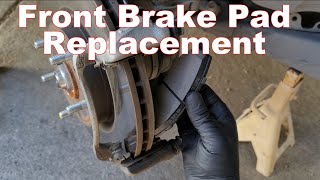
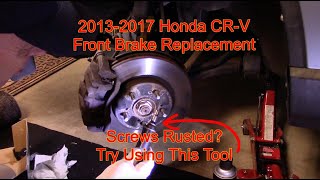
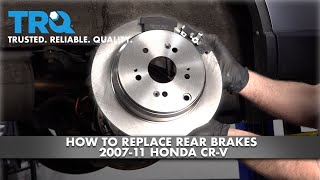
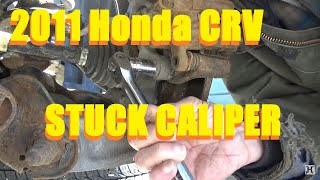
Technical Specifications
OEM Part Numbers: 45022-SHJ-406 45022-TLA-A02 43022-SXS-000 43022-S9A-A01
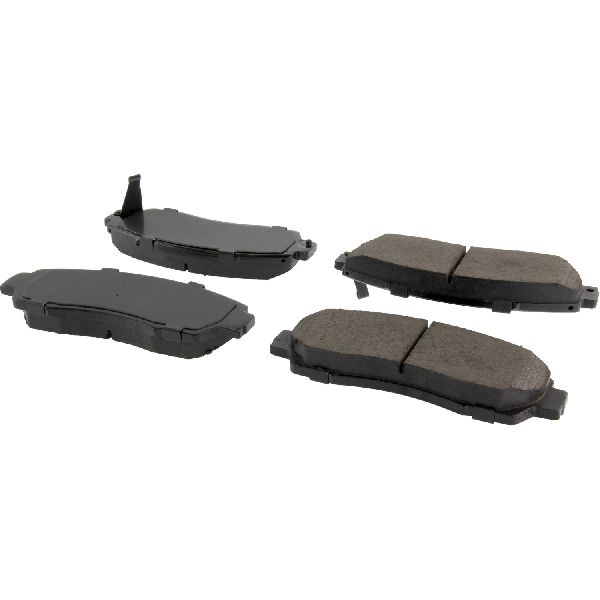
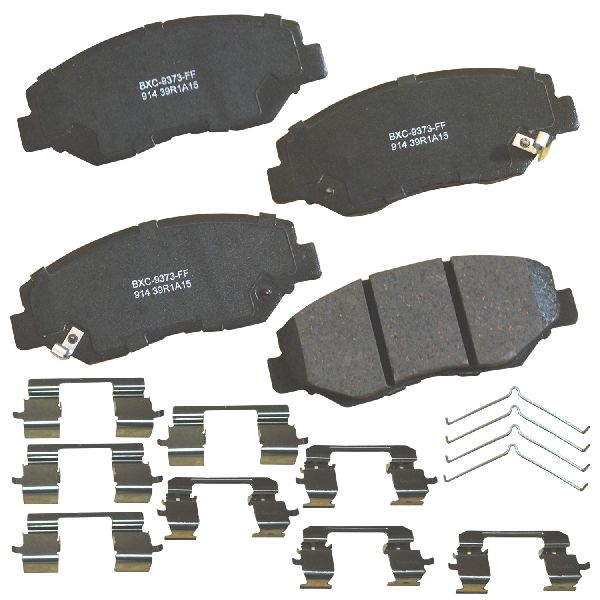
The 2007-2017 Honda CR-V uses single-piston sliding calipers on the front and rear. The front and rear pads are not interchangeable, and there are differences between the 3rd generation (2007-2011) and 4th generation (2012-2016) models. Most aftermarket options are ceramic, which is suitable for daily driving. Always confirm fitment with your vehicle's specific year and trim.
We Have This Part in Stock

The information in this article is provided for general reference and educational purposes only. Vehicle specifications, procedures, and part compatibility can vary by production date, trim level, and region. Always consult your vehicle's factory service manual and verify part numbers before purchasing or performing repairs. Safety-critical components such as airbags, seat belts, and braking systems should be installed by a qualified professional.
- Honda CR-V: