

Toyota Sienna Engine Camshaft Position Sensor Guide (2007-2016)
Diagnose and fix stalling, rough idling, and check engine lights on your 2007-2016 Toyota Sienna by understanding its camshaft position sensors.
- Your Sienna has four camshaft sensors; identify the correct failed sensor before ordering.
- The two rear sensors (Bank 1) are very difficult to replace and require removing the intake manifold.
- Denso is the original equipment manufacturer (OEM) and is the most recommended brand for reliability.
- While replacing a difficult rear sensor, it is wise to replace both rear sensors at the same time to save on future labor costs.
Signs of a Failing Camshaft Position Sensor


When a camshaft position sensor starts to fail, your Sienna's computer gets confusing signals. This can cause noticeable driving problems. You should suspect a bad sensor if you experience one or more of the following issues:
- Check Engine Light: This is the most common symptom. The computer will store a diagnostic trouble code (DTC) that can be read with a scanner. 🎬 See how to diagnose a P0340 camshaft sensor code
- Engine Stalling: The engine may shut off unexpectedly while driving, sometimes intermittently. This can be a serious safety risk.
- Difficulty Starting: The vehicle may crank for a long time before starting, or it may not start at all.
- Rough Idle and Misfires: The engine may run poorly, shake, or sputter, especially when stopped.
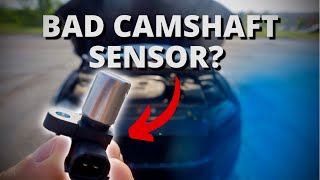
- Poor Acceleration: You might notice the van feels sluggish or hesitates when you press the gas pedal. 🎬 Watch: A visual guide to bad camshaft sensor symptoms
Choosing the Right Aftermarket Sensor

When replacing a critical sensor, quality matters. Using a low-quality part can lead to the same problems returning soon after the repair. This is especially true for the hard-to-reach rear sensors on the Sienna. Here is a breakdown of available aftermarket brands.
Tier 1: OEM and OEM-Equivalent Brands
These brands are either the original equipment manufacturer or are known for producing parts that meet or exceed OEM standards. For a critical part like a cam sensor, especially the difficult-to-access rear ones, choosing from this tier is highly recommended.
- Denso: Denso is the Original Equipment Manufacturer (OEM) for Toyota. Buying a Denso sensor from an aftermarket retailer gives you the exact same quality as the dealer part, but usually at a lower cost.
- NGK / NTK: A highly respected Japanese brand known for excellent sensors and ignition components.
- Hitachi: Another top-tier Japanese electronics manufacturer that produces reliable sensors.
Tier 2: Quality Aftermarket Brands
These companies have a long history of producing reliable aftermarket components and are a solid choice if an OEM-equivalent part isn't available.
- Delphi: A major global parts supplier with a reputation for quality electronics.
- Standard Motor Products (SMP): A trusted name in aftermarket engine management parts.
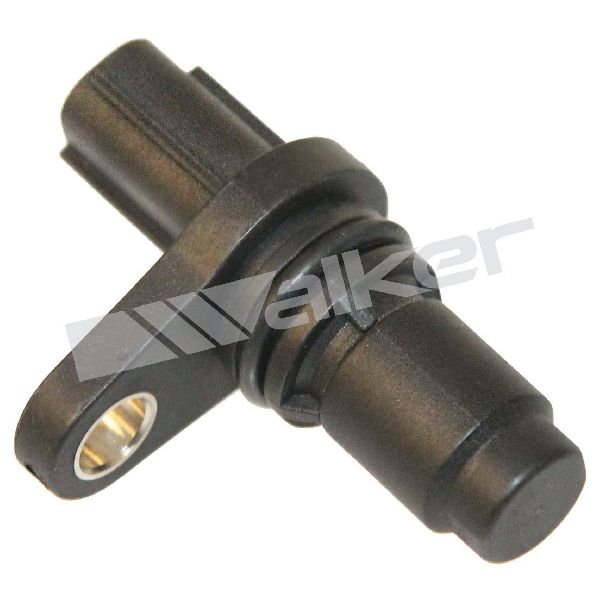
- Walker Products: Known for fuel and engine management components.
Tier 3: Budget-Friendly Brands
These brands offer a lower price point, which can be tempting. However, for a sensor that can cause stalling or requires significant labor to replace (like the rear sensors), the potential for premature failure may outweigh the initial savings. These may be acceptable for the easily accessible front sensors if you are on a tight budget.
- Dorman
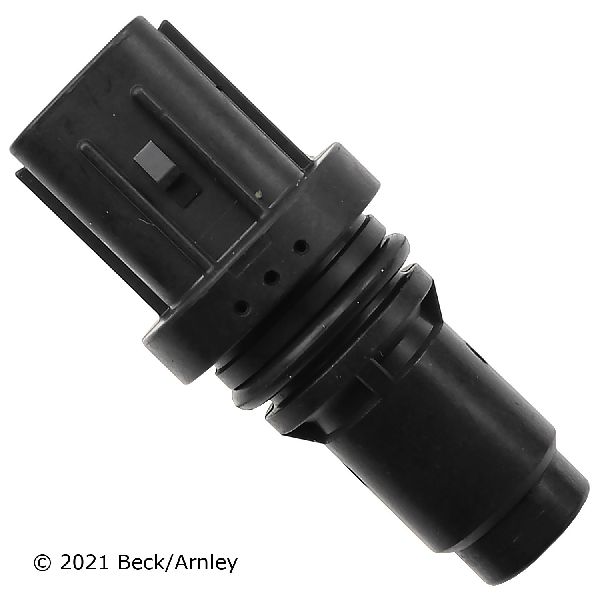
- Beck Arnley
- Spectra
- Various private-label store brands
A Note on Bank 1 (Rear) Sensor Replacement
The two camshaft sensors on the rear cylinder bank (Bank 1) are extremely difficult to access. The job requires removing the upper intake manifold and windshield cowl assembly. Because of the high labor cost, it is strongly advised to use a top-tier brand like Denso to avoid having to do the job twice.
Cost of Replacing a Camshaft Position Sensor (2007-2016 Toyota Sienna)
| Part / Service | Estimated Cost | Notes |
|---|---|---|
| New Aftermarket Sensor | $25 - $175 | Price per sensor. Denso and other OEM-quality brands are at the higher end of this range. |
| New OEM Sensor (Dealer) | $120 - $200+ | Per sensor. This is typically a Denso part in a Toyota box. |
| Shop Labor (Front / Bank 2) | $75 - $150 | For one or both easily accessible front sensors. |
| Shop Labor (Rear / Bank 1) | $300 - $500+ | For one or both difficult-to-access rear sensors, due to intake manifold removal. |
Frequently Asked Questions (FAQ)

How many camshaft position sensors does my Sienna have?
Your 2007-2016 Toyota Sienna with the 3.5L V6 engine has a total of four camshaft position sensors. There are two on the front cylinder bank (Bank 2, near the radiator) and two on the rear cylinder bank (Bank 1, against the firewall). Each bank has one sensor for the intake camshaft and one for the exhaust camshaft.
The code is for Bank 1. Can I replace it myself?
Replacing the Bank 1 (rear) sensors is a difficult job not recommended for beginners. It requires removing the entire upper intake plenum and the windshield wiper cowl assembly to gain access. The Bank 2 (front) sensors, however, are very easy to replace and are located directly on top of the valve cover.
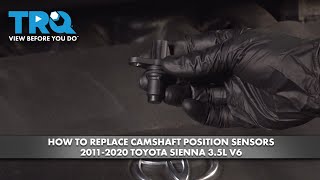
🎬 Watch: Step-by-step replacement for the 3.5L V6 engineWhat is the most common mistake when ordering this part?
The most common mistake is ordering the wrong sensor. Because there are four sensors (Intake/Exhaust for Bank 1/Bank 2), you must correctly identify which one has failed using a diagnostic scanner. The sensors may have different part numbers. Always verify the part number for the specific location you are replacing.
Are there any recalls for the camshaft position sensor on my Sienna?
No. As of early 2026, there are no active safety recalls from Toyota or the NHTSA specifically for camshaft position sensor failure on the 2007-2016 Toyota Sienna. There was a large fuel pump recall that affected 2017-2020 Siennas, but not this generation.
Should I replace all four sensors at once?
It is not strictly necessary. However, if you are paying for the labor to remove the intake manifold to replace one of the rear (Bank 1) sensors, it is highly recommended to replace the other rear sensor at the same time. The primary cost is labor, and this preventative step can save you from a repeat repair in the near future.
Helpful Videos

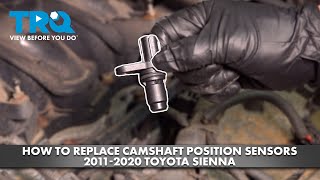
Technical Specifications
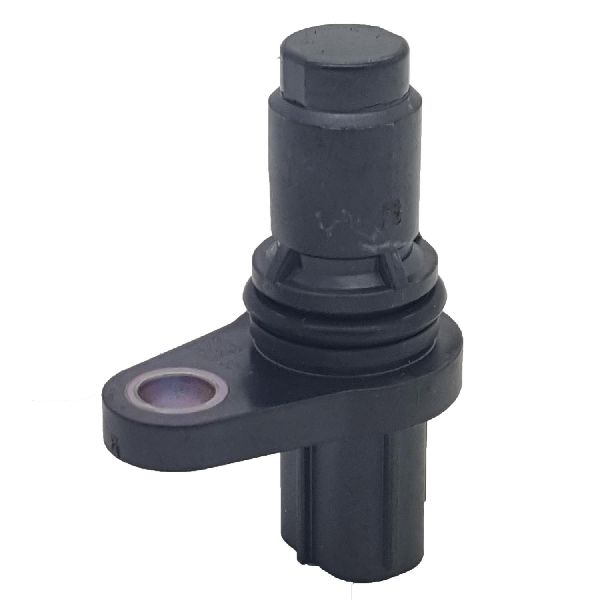
OEM Part Numbers: 90919-05061
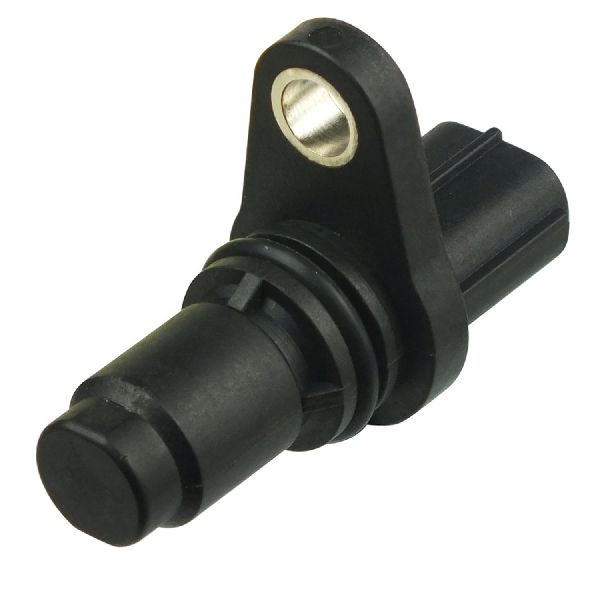
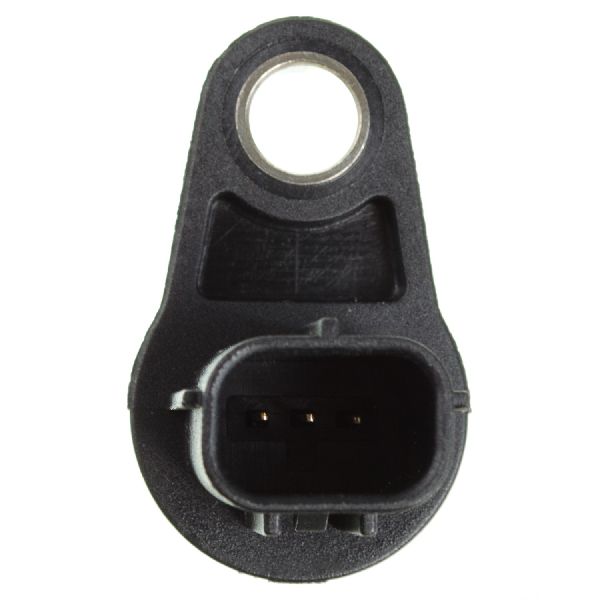
The 3.5L 2GR-FE V6 engine uses four Hall-effect type camshaft position sensors. Two are located on the front valve cover (Bank 2) and two are on the rear valve cover (Bank 1). Part numbers may vary by specific location and model year, so always verify fitment.
We Have This Part in Stock


The information in this article is provided for general reference and educational purposes only. Vehicle specifications, procedures, and part compatibility can vary by production date, trim level, and region. Always consult your vehicle's factory service manual and verify part numbers before purchasing or performing repairs. Safety-critical components such as airbags, seat belts, and braking systems should be installed by a qualified professional.
- Toyota Sienna: