

Toyota Avanza Engine Coolant Temperature Sensor Guide (2007-2016)
Understanding the signs of a failing engine coolant temperature sensor in your Toyota Avanza and how to choose a replacement.
- A bad ECT sensor commonly causes poor fuel economy, black exhaust smoke, and an illuminated Check Engine Light with codes P0115, P0117, or P0118.
- Driving with a faulty sensor is risky; it can lead to engine overheating and potential long-term damage.
- A quality aftermarket brand like Standard Ignition is a cost-effective and reliable alternative to the more expensive OEM part.
- This is a simple DIY repair that can be completed in under an hour with basic tools, saving on labor costs.
Is Your Avanza's Engine Acting Up? It Could Be the Coolant Temp Sensor

If your 2007-2016 Toyota Avanza is experiencing poor fuel economy, a rough idle, or an inaccurate temperature gauge, a faulty Engine Coolant Temperature (ECT) sensor might be the culprit. This sensor provides crucial data to the engine computer, and when it fails, it can cause a range of noticeable problems. Since this part is relatively inexpensive and easy to replace, it's a common first step in troubleshooting these types of issues.
Symptoms of a Failing ECT Sensor

When the ECT sensor sends incorrect information or no information at all, the engine computer gets confused. This can lead to several symptoms:
- Check Engine Light: A failing sensor will often trigger the check engine light and store trouble codes like P0115, P0117 (circuit low), or P0118 (circuit high). 🎬 Watch: Understanding and fixing the P0117 circuit low code.
- Poor Fuel Economy: If the sensor wrongly tells the computer the engine is cold, the computer will enrich the fuel mixture, causing you to use more gas than necessary.
- Black Smoke from Exhaust: A consistently rich fuel mixture can result in unburned fuel exiting through the exhaust, creating black smoke.
- Engine Overheating or Running Cool: The computer relies on the sensor to know when to turn on the cooling fans. An incorrect signal can cause the fans to not run when needed, leading to overheating. Conversely, it might cause the engine to run too cool, affecting efficiency.
- Inaccurate Temp Gauge: The reading on your dashboard may be stuck on cold, hot, or fluctuate wildly, giving you no real idea of the engine's actual temperature.
Can I Drive with a Bad ECT Sensor?
It is not recommended. While the car may run, a bad sensor can lead to poor fuel economy, increased emissions, and potentially severe engine damage from overheating if the cooling fans don't activate correctly. If you notice the temperature gauge in the red, pull over immediately to prevent engine damage.
Choosing the Right Aftermarket Sensor

When replacing the ECT sensor on your Avanza, you have a choice between a genuine Toyota part and an aftermarket one.
- OEM (Original Equipment Manufacturer): A genuine Toyota sensor (Part No. 89422-16010) offers a guaranteed fit and the same quality as the original part. However, it is the most expensive option.
- Aftermarket (Standard Ignition): Quality aftermarket brands like Standard Ignition offer a reliable alternative at a lower cost. Standard is a well-known manufacturer with a reputation for producing quality components that meet or exceed original specifications. For a part like an ECT sensor, a quality aftermarket brand is a smart, budget-friendly choice that should provide long-lasting performance.
Cost of Replacing a Toyota Avanza ECT Sensor
| Part Type | Part Cost | Shop Labor Cost | Total Estimated Cost |
|---|---|---|---|
| New Aftermarket (Standard) | $28.84 | $75 - $150 | $104 - $179 |
| New OEM (Toyota) | $65 - $95 | $75 - $150 | $140 - $245 |
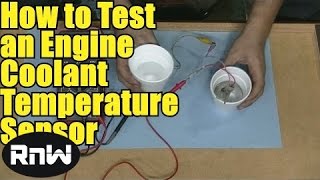
Pro Tip: Replacing the ECT sensor is a straightforward job for a DIYer with basic tools. 🎬 Watch: How to test your sensor using a basic multimeter. The sensor is usually located near the thermostat housing on the top of the engine. Doing it yourself can save you over $100 in labor costs. The job typically takes less than an hour.
Frequently Asked Questions (FAQ)

Where is the ECT sensor located on a 2007-2016 Toyota Avanza?
The ECT sensor is typically screwed into the engine block or cylinder head near the thermostat housing, where the upper radiator hose connects to the engine. It will have an electrical connector attached to it.
Is it difficult to replace the ECT sensor myself?
No, it is generally considered an easy repair. The process involves letting the engine cool, disconnecting the battery, partially draining the coolant, unplugging the old sensor, screwing in the new one, and then refilling the coolant. You will need basic tools like a socket set.
Do I need to drain all the coolant to change the sensor?
No, you don't need to drain all of it. If the sensor is located high on the engine, you only need to drain the coolant level to below the sensor's position to minimize spillage. Have a drain pan ready to catch any coolant that does come out.
Will a new sensor fix my check engine light?
If the check engine light is on due to an ECT sensor-related code (like P0115, P0117, or P0118), then replacing the faulty sensor should solve the problem. After replacement, the code may need to be cleared with an OBD-II scanner, or it may clear itself after several drive cycles.
🎬 See how to fix a Toyota P0118 code in minutes.Helpful Videos

![How to Fix TOYOTA P0118 Engine Code in 3 Minutes [2 DIY Methods / Only $7.33]](https://img.youtube.com/vi/HDE_4QgbrVM/mqdefault.jpg)
Technical Specifications
OEM Part Numbers: 89422-16010
The sensor is a thermistor that threads into a coolant passage, typically near the thermostat housing. It uses a 2-wire electrical connector.
We Have This Part in Stock


The information in this article is provided for general reference and educational purposes only. Vehicle specifications, procedures, and part compatibility can vary by production date, trim level, and region. Always consult your vehicle's factory service manual and verify part numbers before purchasing or performing repairs. Safety-critical components such as airbags, seat belts, and braking systems should be installed by a qualified professional.
- Toyota Avanza: