

A Guide to Replacing the ABS Speed Sensor on a 2007-2016 Mitsubishi Outlander
If your dash is lit up with ABS, ASC, and 4WD warning lights, a faulty wheel speed sensor is a likely and fixable cause.
- A failed ABS sensor is the most common reason for the ABS, ASC, and 4WD lights to appear together on the 2007-2016 Outlander.
- An OBD2 scanner that can read ABS codes is necessary to identify which specific wheel sensor has failed before ordering a part.
- Aftermarket sensors are a cost-effective and reliable option for this repair, saving significant money over OEM parts.
- Replacement is a simple DIY job, but rust can make removing the old sensor difficult; use penetrating oil.
Understanding ABS Speed Sensor Failure in Your Outlander

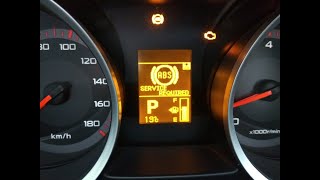
If you own a 2007-2016 Mitsubishi Outlander, there's a good chance you might eventually see a trio of warning lights appear on your dashboard: the ABS, ASC, and 4WD lights. 🎬 Watch: See how these three warning lights appear on the dash. While this can be alarming, a common cause is a single, relatively simple part: a failed ABS wheel speed sensor. These sensors live in a harsh environment near the wheels, exposed to water, dirt, and road salt, which can cause them to fail over time. Sometimes, the issue is just a dirty sensor head that can be cleaned, but often the sensor itself or its wiring needs to be replaced.
Symptoms of a Bad ABS Sensor

The signs of a failing ABS sensor are usually very clear. The most obvious is the illumination of the ABS warning light. Because the wheel speed data is shared between systems, you will likely also see the ASC (Active Stability Control) light and the 4WD service light come on simultaneously. In some situations, you might notice that your anti-lock brakes don't engage when they should during hard braking, or they may feel like they are engaging erratically at low speeds. It is important to have the vehicle's computer scanned to confirm which wheel sensor is faulty before ordering a replacement.
Known Issues and Technical Service Bulletins
Mitsubishi issued a Technical Service Bulletin (TSB-13-35-003) for 2007-2010 Outlander models. This bulletin corrects the diagnostic procedures in the service manual for certain ABS/ASC trouble codes (like C1011, C1014, C1041, C1046 and others). This doesn't indicate a recall, but it means mechanics need to follow updated steps to accurately diagnose a bad sensor versus other system problems. No specific safety recalls for the ABS sensors themselves were found for this generation of Outlander.
Choosing the Right Aftermarket Part: OEM vs. Aftermarket

When it's time to replace the sensor, you have two main choices: Original Equipment Manufacturer (OEM) from a Mitsubishi dealer, or an aftermarket part. OEM sensors are identical to the one your Outlander was built with, guaranteeing a perfect fit and function, but they come at a significantly higher price.
Aftermarket sensors, such as those from the "Replacement" brand, offer a much more budget-friendly alternative. For a simple electronic part like an ABS sensor, an aftermarket version is often a practical choice. The quality of aftermarket electronics has improved, and many owners find them to be a reliable, cost-effective solution. The key is to buy from a reputable source. While the cheapest online option might be tempting, it could lead to premature failure or incorrect readings. For this repair, a well-regarded aftermarket sensor provides a good balance of price and quality.
| Part Type | Estimated Cost |
|---|---|
| New OEM Part | $150 - $275+ |
| New Aftermarket Part | $23.10 - $33.83 |
| Used OEM Part | $25 - $75+ |
| Shop Labor | $95 - $150 |
A Note on Installation
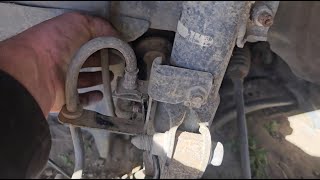
Replacing an ABS sensor is a straightforward job for a DIYer with basic tools. The sensor is typically held in place by a single 10mm or 12mm bolt on the wheel hub. 🎬 See this walkthrough on removing and replacing the sensor. The biggest challenge is often corrosion, which can cause the sensor to seize in the hub. Using penetrating oil and patience is key. After replacing the sensor, the warning lights may go off on their own after a short drive, but sometimes the trouble codes need to be cleared with an OBD2 scanner.
Frequently Asked Questions

Why are the ABS, ASC, and 4WD lights all on at the same time?
These systems all rely on the same wheel speed information to function. When one sensor fails, it sends bad data (or no data), causing all dependent systems to shut down and trigger their respective warning lights as a safety precaution. Fixing the single faulty sensor will resolve all the warnings.
Can I replace just one ABS sensor?
Yes. You only need to replace the sensor that has failed. A proper diagnosis with an OBD2 scanner that can read ABS codes is essential to identify which specific wheel sensor is causing the problem. 🎬 Watch: A guide to replacing the rear hub and speed sensor. This saves you from replacing perfectly good parts.
Is it safe to drive with a bad ABS sensor?
Your normal brakes will still work, but the anti-lock (ABS) and stability control (ASC) safety features will be disabled. This means your wheels can lock up during a panic stop, increasing braking distance and reducing steering control. It is recommended to get the sensor replaced as soon as possible to restore these important safety functions.
Do I need to reset the computer after replacing the sensor?
Often, after replacing the sensor and driving for a few minutes, the vehicle's computer will recognize the new part and the warning lights will turn off automatically. However, if they remain on, the stored fault codes will need to be cleared using an OBD2 scan tool.
Helpful Videos
Technical Specifications
OEM Part Numbers: 4670A575 4670A576 4670A579 4670A580 4670A583 4670A157
Sensors are specific to each wheel location (Front Left, Front Right, Rear Left, Rear Right) and sometimes differ between 2WD and AWD models. Always verify the correct part for your vehicle's specific corner and drivetrain.

The information in this article is provided for general reference and educational purposes only. Vehicle specifications, procedures, and part compatibility can vary by production date, trim level, and region. Always consult your vehicle's factory service manual and verify part numbers before purchasing or performing repairs. Safety-critical components such as airbags, seat belts, and braking systems should be installed by a qualified professional.
- Mitsubishi Outlander: