

Lexus RX350 Oxygen and Air/Fuel Sensor Guide (2007-2016)
Diagnose and choose the right replacement oxygen or air/fuel sensor to turn off your check engine light and restore fuel economy.
- Stick to Denso or NGK/NTK brands for guaranteed compatibility and to avoid repeat failures.
- Your RX350 has four sensors; correctly identify the failed sensor's location (Bank 1/2, Upstream/Downstream) before ordering.
- A bad sensor will decrease fuel economy and can eventually damage your expensive catalytic converters if ignored.
- Check if your vehicle was built in Japan (VIN starts with 'J') or North America (VIN starts with '2'), as parts can differ.
Is Your RX350 Showing Signs of a Bad Oxygen Sensor?

A failing oxygen or A/F sensor is a common issue that will almost always let you know there's a problem. The first and most obvious sign is a Check Engine Light on your dashboard, often accompanied by the VSC (Vehicle Stability Control) light. You may also notice other symptoms that point directly to a sensor failure.
🎬 Watch: A breakdown of common bad oxygen sensor symptoms- Worse Fuel Economy: One of the sensor's main jobs is to help the engine run efficiently. When it fails, the engine computer may default to a rich fuel mixture, causing you to use more gas than usual.
- Rough Idling or Misfires: Incorrect fuel mixture data can lead to poor engine performance, including a rough or unstable idle.
- Rotten Egg Smell: A very rich fuel mixture can overwhelm the catalytic converter, producing a sulfur or rotten egg smell from the exhaust.
- Failed Emissions Test: A bad O2 or A/F sensor will prevent your vehicle from passing an emissions inspection.
Choosing the Right Aftermarket Sensor: Brand Quality Matters

When it comes to engine management sensors for a Lexus, brand choice is critical. Using a low-quality part can lead to persistent check engine lights, poor performance, and the need to do the job all over again. Denso is the Original Equipment Manufacturer (OEM) for Toyota and Lexus, meaning they made the parts your RX350 was built with.
Brand Recommendations for the Lexus RX350
- Tier 1 - OEM & Highly Recommended: Denso, NGK (NTK)
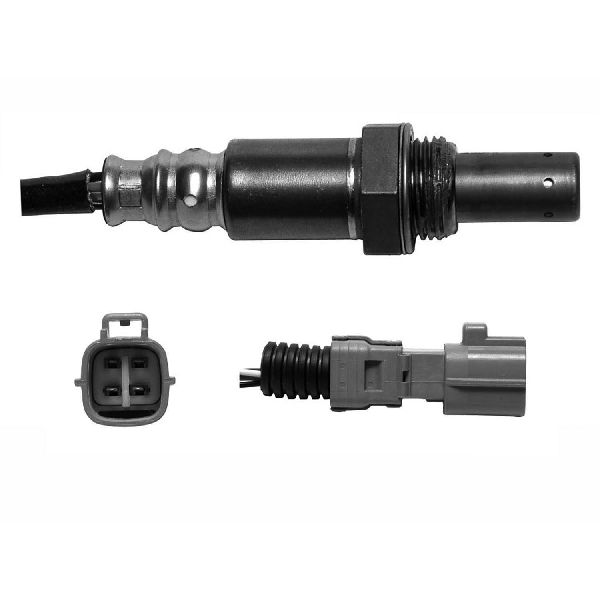
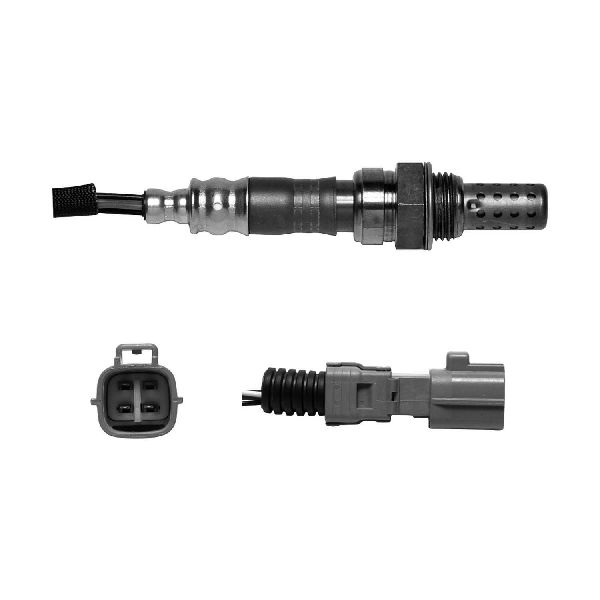
For guaranteed compatibility and performance, always choose Denso. It is the original part manufacturer. NGK (also sold under the NTK brand name) is another top-tier Japanese brand that is a reliable alternative. Forum members and mechanics overwhelmingly agree that sticking with these two brands prevents future headaches. - Tier 2 - Use With Caution: Bosch, Delphi
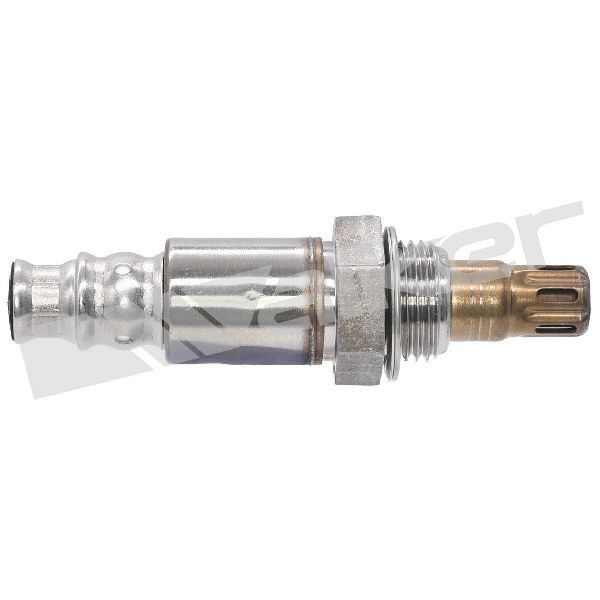
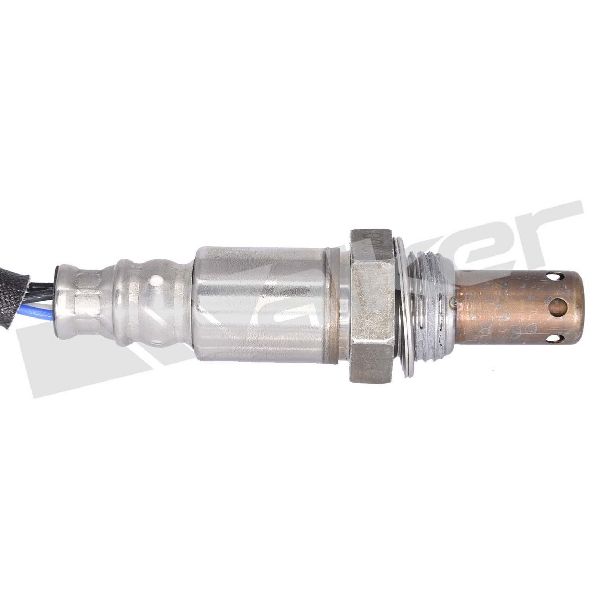
While Bosch is a major sensor manufacturer, their parts are known to have compatibility issues with some Japanese vehicles. Many owners report problems after installing Bosch sensors, from incorrect readings to premature failure. Use these brands only if Denso or NGK are not available. - Tier 3 - Budget / Not Recommended: DriveWire, Walker, Store Brands
These brands offer attractive pricing, but their quality and longevity are a gamble. You risk getting a part that is dead on arrival or fails within a few months, forcing you to repeat the repair. It is strongly advised to avoid these for a sensitive system like your Lexus's engine management.
Common Ordering Mistakes to Avoid
Before you buy, confirm these three things:
- Sensor Location: Your RX350 has four sensors. Identify exactly which one has failed using the diagnostic code. Don't confuse upstream (A/F Sensor) with downstream (O2 Sensor), or Bank 1 with Bank 2.
- Bank Location: Bank 1 is the cylinder bank near the firewall (rear of the engine bay). Bank 2 is the cylinder bank near the radiator (front of the engine bay).
- Vehicle Build Location: Some parts differ between Japan-built (VIN starts with 'J') and North American-built (VIN starts with '2') models. Always verify the part fits your specific VIN to ensure correct wire length and connector.
Known Issues for 2007-2016 Lexus RX350

Lexus issued a Technical Service Bulletin (TSB), reference L-SB-0109-09, for some 2007-2010 RX350 models. This TSB addresses vehicles showing a check engine light with codes P0138 (O2 Sensor Circuit High Voltage, Bank 1 Sensor 2) or P0158 (O2 Sensor Circuit High Voltage, Bank 2 Sensor 2). This indicates a known issue with the downstream oxygen sensors that may require replacement. No widespread recalls have been issued for this specific problem.
Cost of Replacing an Oxygen Sensor on a 2007-2016 Lexus RX350

The cost can vary significantly based on which of the four sensors needs replacing and who does the work.
| Part / Service | Estimated Cost |
|---|---|
| New Aftermarket Sensor (Denso/NGK) | $50 - $200 |
| New OEM Sensor (Lexus Dealer) | $180 - $350+ |
| Shop Labor | $100 - $400+ |
Labor costs vary based on the sensor's location. The rear sensors (Bank 1) are much more difficult to access and will result in higher labor charges.
Frequently Asked Questions
How many oxygen sensors does my RX350 have?
Your Lexus RX350 has a total of four sensors: two upstream Air/Fuel Ratio Sensors and two downstream Oxygen Sensors. Each cylinder bank has one of each.
What is the difference between Bank 1 and Bank 2?
Bank 1 refers to the cylinder bank at the rear of the engine, against the firewall. Bank 2 is the cylinder bank at the front of the engine, behind the radiator. This is crucial for ordering the correct part.
What's the difference between an upstream and downstream sensor?
Upstream sensors, also called Air/Fuel Ratio (A/F) sensors, are located before the catalytic converter. They are the primary sensors used by the computer to adjust the fuel mixture. Downstream sensors are located after the catalytic converter and mainly check if the converter is working correctly.
What happens if I don't replace a bad oxygen sensor?
While you can drive the car, ignoring a bad sensor will lead to poor fuel mileage and a persistent check engine light. Over time, running with a bad sensor can cause the engine to run too rich, which can overheat and permanently damage the very expensive catalytic converter.
Is replacing an oxygen sensor a DIY job?
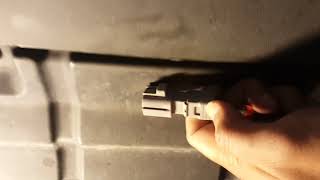
It can be, but the difficulty varies. The front sensor (Bank 2, Sensor 2) is often easy to access from under the car. However, the rear sensor near the firewall (Bank 1, Sensor 1) is extremely difficult to reach and may require removing other exhaust components. 🎬 Watch: How to replace the difficult Bank 1 Sensor 1 Sensors can also be rusted and seized into the exhaust, requiring special tools and a lot of force to remove.
Helpful Videos

Technical Specifications
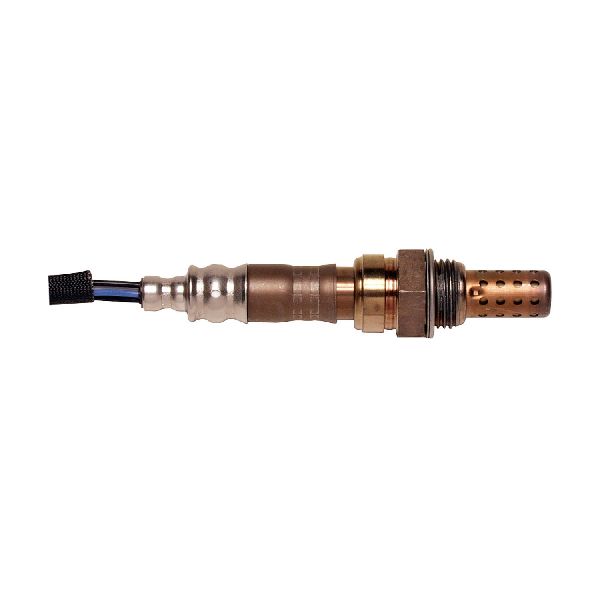
OEM Part Numbers: 89465-0E050 89465-48240 89467-07010
The 2007-2016 Lexus RX350 uses four sensors total: two upstream wide-band Air/Fuel Ratio sensors and two downstream narrow-band Oxygen sensors. Connectors and wire lengths are specific to location and vehicle build origin (Japan or North America).
We Have This Part in Stock


The information in this article is provided for general reference and educational purposes only. Vehicle specifications, procedures, and part compatibility can vary by production date, trim level, and region. Always consult your vehicle's factory service manual and verify part numbers before purchasing or performing repairs. Safety-critical components such as airbags, seat belts, and braking systems should be installed by a qualified professional.
- Lexus RX350: