

GMC Acadia Oxygen Sensor Guide for 2007-2016 Models
Diagnose and choose the right oxygen sensor for your Acadia's 3.6L V6 engine.
- Your Acadia has four O2 sensors; identify the correct one before ordering (Bank 1 is rear, Bank 2 is front).
- For best results, use OEM-grade aftermarket brands like Denso or NGK/NTK, especially for the critical upstream sensors.
- If you have a Bank 1 (rear) sensor code, check for power steering fluid leaks from above, as noted in TSB 18-NA-009.
- Ignoring a bad upstream sensor can lead to reduced fuel economy and eventual damage to the expensive catalytic converter.
Symptoms of a Failing Oxygen Sensor

The most common sign of a bad oxygen sensor in your Acadia is the check engine light turning on. However, you might notice other issues first. A failing sensor can cause a noticeable drop in fuel economy, a rough or shaky idle, and sluggish acceleration. In some cases, you may smell a 'rotten egg' or sulfur-like odor from the exhaust, which points to an inefficiently working catalytic converter often caused by a bad upstream sensor. Ignoring these signs can eventually lead to costly damage to your catalytic converters.
Choosing the Right Aftermarket Oxygen Sensor

When replacing an oxygen sensor on your Acadia, you have several quality aftermarket options. Not all brands perform the same, and for a critical part like an upstream sensor, choosing a quality replacement is important for proper engine function.
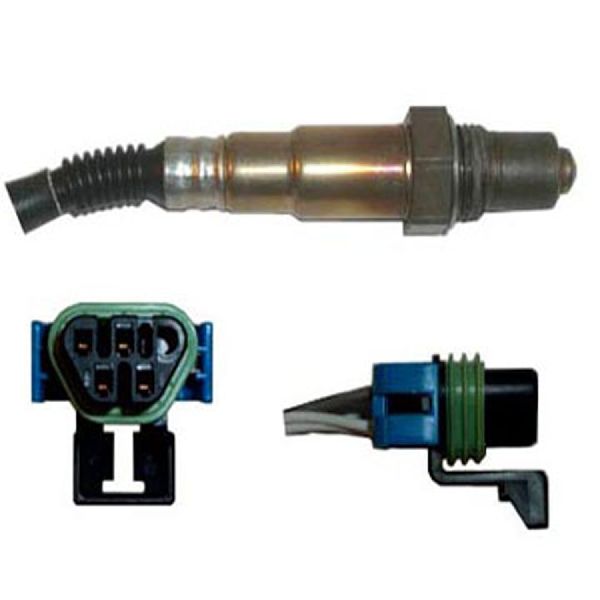
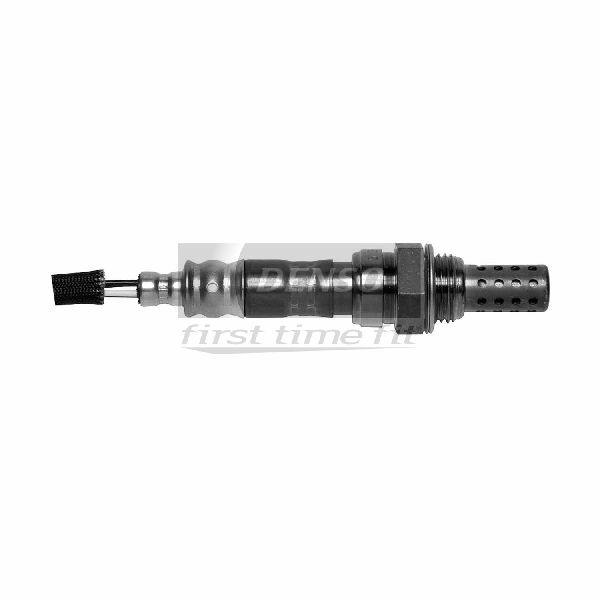
- OEM / Premium Aftermarket (ACDelco, Denso, NGK/NTK): ACDelco is the original GM parts brand. Denso and NGK (also known as NTK) are often the original manufacturers for car companies and are widely considered to be the highest quality aftermarket replacements, matching OEM performance. Forum members and mechanics frequently recommend sticking with these brands for the best results on GM vehicles.
- Quality Aftermarket (Bosch, Delphi): Bosch and Delphi are well-known brands that produce reliable sensors. While generally good, some owners report that certain GM vehicles can be sensitive, and occasionally have issues with brands other than the original (Denso or NGK). Delphi was once part of GM, but its quality is less certain after changing ownership.
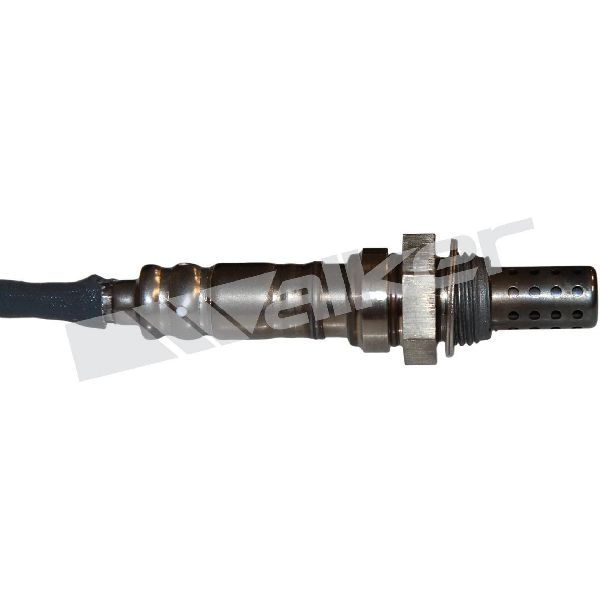
- Standard / Economy (Walker, DriveWire): These brands offer a more budget-friendly option. While they can work, for critical upstream sensors that control your engine's air-fuel mixture, investing in a premium or quality brand is often recommended to avoid potential performance issues or a recurring check engine light.
Vehicle-Specific Issue: TSB 18-NA-009
For 2016-2017 models in particular, GM issued a Technical Service Bulletin regarding a power steering hose that can leak fluid onto the Bank 1 (rear) oxygen sensor's wiring harness. This contamination can cause a variety of O2 sensor fault codes (like P0131, P0132, P0171, P2096). 🎬 Watch: How to diagnose and fix a P0132 fault code. If you have a Bank 1 sensor code, inspect the area above the sensor for any signs of fluid leaks before replacing the sensor, as the fix may require replacing the hose and wiring harness as well.
Understanding Sensor Locations

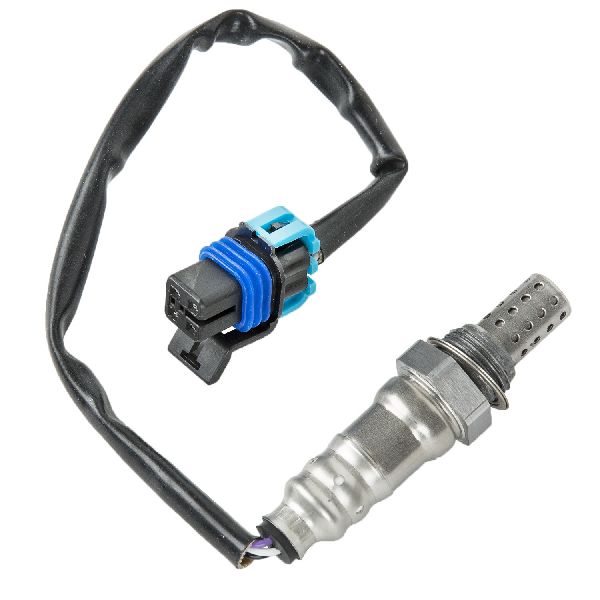
Your Acadia's 3.6L V6 has four sensors in specific locations. Ordering the correct one is crucial.
- Bank 1: This is the cylinder bank against the firewall (the rear of the engine bay). Sensors on this bank are generally much harder to access.
- Bank 2: This is the cylinder bank near the radiator (the front of the engine bay). These sensors are easier to reach.
- Sensor 1: This is the upstream sensor, located before the catalytic converter. It is also called an air-fuel ratio sensor. 🎬 Watch: Step-by-step guide to replacing the upstream oxygen sensor.
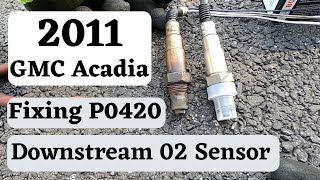
- Sensor 2: This is the downstream sensor, located after the catalytic converter. It measures catalyst efficiency. 🎬 See this walkthrough for replacing the downstream oxygen sensor.
For example, a code for "Bank 1, Sensor 2" refers to the downstream sensor on the firewall side of the engine.
| Part Type | Price Range |
|---|---|
| New Aftermarket | $34.48 - $198.78 |
| New OEM (ACDelco) | $80 - $250 |
| Shop Labor | $100 - $450 |
Labor costs vary widely because the front (Bank 2) sensors are easy to replace, while the rear (Bank 1) sensors are very difficult to access and require more time.
Frequently Asked Questions

How many oxygen sensors does a 2007-2016 GMC Acadia have?
The V6 engine in this generation of Acadia has four oxygen sensors: two upstream and two downstream.
Can I replace just one oxygen sensor?
Yes, you only need to replace the sensor that has failed. The sensors do not need to be replaced in pairs or all at once. However, they have a similar lifespan, so if one fails, others may not be far behind.
What tools do I need to replace an O2 sensor?
A special oxygen sensor socket (usually 22mm or 7/8-inch) with a cutout for the wire is highly recommended. You may also need socket extensions and penetrating oil for sensors that are rusted in place. After replacement, you will need a basic OBD-II scanner to clear the fault codes.
Can I clean an oxygen sensor instead of replacing it?
Cleaning is not a reliable or recommended long-term solution. Contaminants often damage the internal sensing element, and cleaning the exterior will not fix this. Replacement is the only proper fix for a failed sensor.
Helpful Videos
Technical Specifications
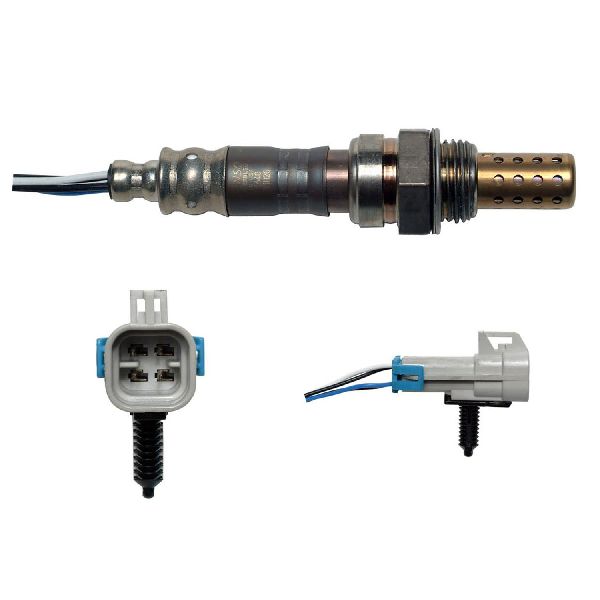
OEM Part Numbers: 12634064
The 2007-2016 GMC Acadia uses a 3.6L V6 engine with four heated oxygen sensors. There are two upstream (Sensor 1) and two downstream (Sensor 2) sensors. Bank 1 is located at the rear of the engine (firewall side) and Bank 2 is at the front (radiator side). A 22mm or 7/8" oxygen sensor socket is required for removal and installation.
We Have This Part in Stock


The information in this article is provided for general reference and educational purposes only. Vehicle specifications, procedures, and part compatibility can vary by production date, trim level, and region. Always consult your vehicle's factory service manual and verify part numbers before purchasing or performing repairs. Safety-critical components such as airbags, seat belts, and braking systems should be installed by a qualified professional.
- GMC Acadia: