

Guide to 2007-2016 BMW 328i Front Suspension Control Arm Bushings
Restore your BMW's sharp handling and eliminate steering wheel shimmy by choosing the right replacement control arm bushings.
- A steering wheel shimmy when braking on a 328i is more often caused by failed control arm bushings than warped rotors.
- For a balance of durability and comfort, Meyle HD solid rubber bushings are a popular and recommended upgrade over the stock fluid-filled design.
- Replacing the entire control arm assembly is often easier and more cost-effective in the long run than pressing out just the old bushing.
- A four-wheel alignment is mandatory after the repair to ensure proper handling and prevent rapid tire wear.
Is Your BMW 328i's Handling Feeling Off?
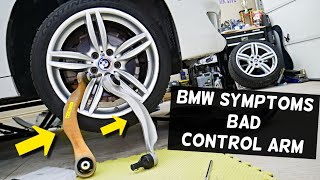
A common issue on the 2007-2016 BMW 328i (E90 and F30 chassis) is the failure of the front control arm bushings, particularly the tension strut or thrust arm bushings. These components are essential for the precise steering response and stable ride you expect from a BMW. When they wear out, the vehicle's handling can become vague and unpredictable. 🎬 Watch a video guide on identifying bad front control arms. This guide will walk you through the symptoms, replacement options, and costs associated with this common repair.
Symptoms of Failing Control Arm Bushings
Worn bushings allow for excessive movement in the suspension, leading to several noticeable problems. The most frequently reported symptom for the 328i is a steering wheel shimmy or vibration, especially when braking from highway speeds (55-70 mph). This happens because the worn bushing allows the wheel to shift slightly, causing an oscillation you feel in the steering wheel. Other signs include:
- Clunking or Knocking Noises: A metallic clunking sound from the front suspension when going over bumps, turning, or during hard stops.
- Vague or Loose Steering: The steering may feel less responsive, requiring more corrections to keep the car straight.
- Uneven Tire Wear: Worn bushings can throw off the alignment, often causing the inside edge of the front tires to wear out prematurely.
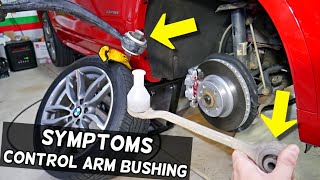
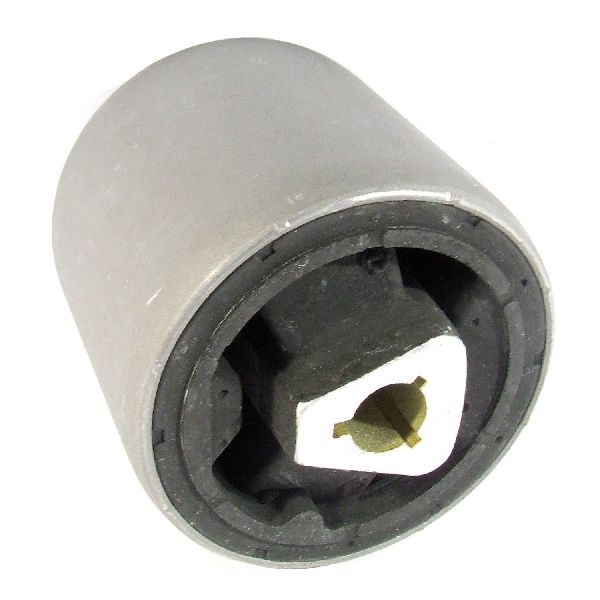
- Visible Leaks or Cracks: The original BMW bushings are fluid-filled. A visual inspection may reveal black hydraulic fluid leaking from the bushing or deep cracks in the rubber.
Bushing Failure vs. Brake Rotors
A steering wheel shimmy under braking is also a classic symptom of warped brake rotors. However, on the BMW 328i, this vibration is very often caused by the control arm bushings. If the vibration is most prominent at specific highway speeds and feels more like a shimmy than a pedal pulsation, the bushings are the likely culprit. If new brake rotors are installed and the shake returns quickly, it's a strong sign the underlying problem is worn bushings.
Choosing the Right Aftermarket Bushing
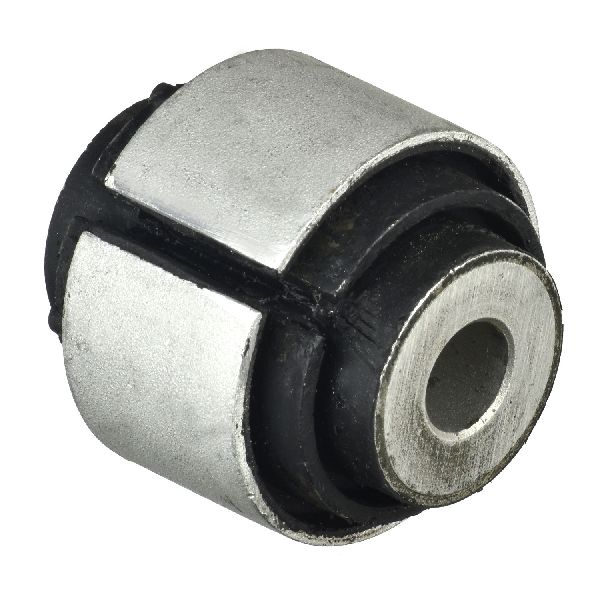
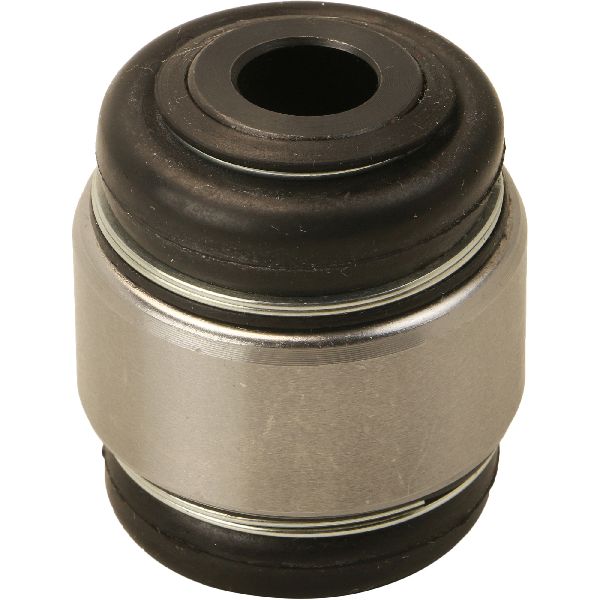
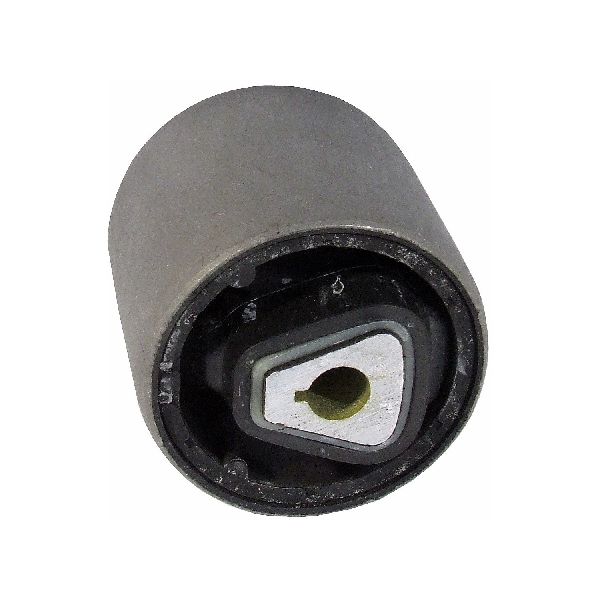
When replacing your bushings, you have a few options. You can replace just the bushing itself, or the entire control arm which comes with a new bushing and ball joint pre-installed. Replacing the whole arm is often easier for DIYers and recommended by many shops, as pressing the old bushing out and a new one in requires special tools.
Brand Tiers & Material Types
Not all aftermarket parts are created equal. Here’s a breakdown of common brand tiers and material choices for your 328i:
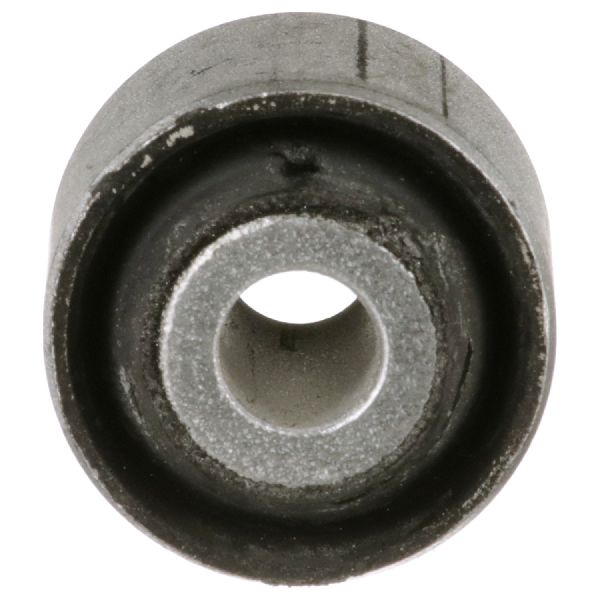
- OEM-Equivalent (High-Quality Rubber): Brands like Lemförder and TRW are often the original equipment manufacturers for BMW. Choosing these brands ensures you get a part that matches the factory ride quality and performance. These are typically fluid-filled rubber bushings, just like the original.
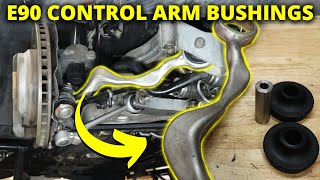
- Heavy-Duty Aftermarket (Solid Rubber): Brands like Meyle HD offer an upgraded design. Their bushings are often solid rubber instead of fluid-filled. This makes them more durable and resistant to the common leaking failure, providing a slightly firmer ride and improved steering response without a significant increase in harshness. This is a very popular upgrade for 328i owners. 🎬 See how to upgrade your E90 bushings to polyurethane.
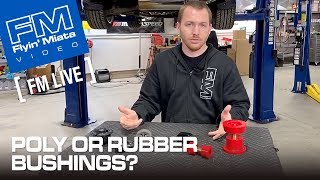
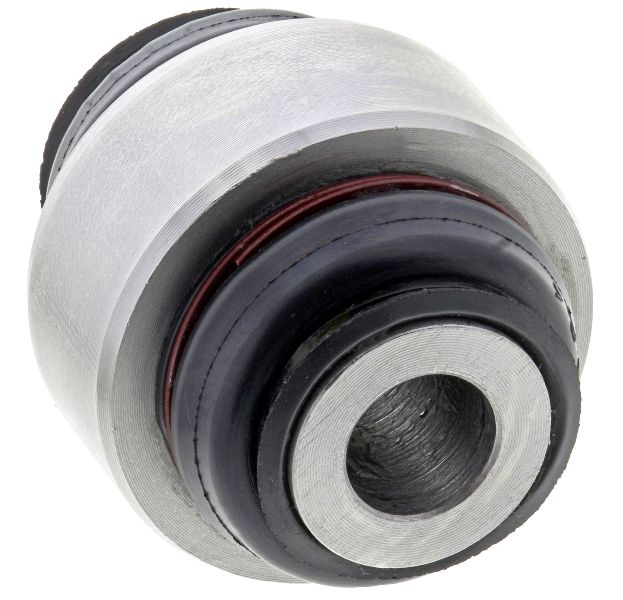
- Performance (Polyurethane): Brands like Whiteline, Nolathane, and Powerflex offer polyurethane bushings. Polyurethane is much stiffer than rubber, which significantly improves handling response and steering feel, making it a good choice for autocross or track use. However, this stiffness comes at a cost: it transmits more noise, vibration, and harshness (NVH) into the cabin, which can be undesirable for a daily driver. They can also be prone to squeaking if not lubricated properly. 🎬 Compare the pros and cons of polyurethane versus rubber bushings.
- Standard/Budget Aftermarket: Brands like Dorman, Moog, and Vaico offer more affordable options. While budget-friendly, owner experiences suggest the quality and longevity can be inconsistent compared to OEM-equivalent or heavy-duty brands.
Pro Tip: Replace in Pairs
It is highly recommended to replace control arm bushings in pairs (both left and right sides). If one has failed, the other is likely not far behind. This ensures balanced handling and prevents you from having to do the same job twice.
| Brand Tier | Common Brands | Material | Best For |
|---|---|---|---|
| OEM-Equivalent | Lemförder, TRW | Hydraulic Rubber | Factory ride and comfort |
| Heavy-Duty | Meyle HD | Solid Rubber | Improved durability with a slightly firmer ride |
| Performance | Whiteline, Powerflex, Nolathane | Polyurethane | Maximum handling performance, track use |
| Standard/Budget | Dorman, Moog, CRP, Vaico | Rubber | Cost-effective repairs |
Frequently Asked Questions (FAQ)
Should I replace the whole control arm or just the bushing?
Replacing the entire control arm is often the better choice. It saves on labor because pressing bushings in and out requires a hydraulic press or special tools. It also replaces the ball joint at the other end of the arm, which may also be worn. Many independent shops prefer this method to avoid the risk of damaging the aluminum control arm while pressing the bushing.
Do I need a wheel alignment after replacement?
Yes, a four-wheel alignment is essential after replacing control arm bushings or control arms. Worn components will have altered your alignment settings, and the new parts will change them again. A proper alignment is required to ensure correct handling, prevent premature tire wear, and get the full benefit of the new parts.
What is the difference between rubber and polyurethane bushings?
Rubber bushings, especially the fluid-filled OEM style, are designed to absorb vibration and provide a comfortable ride. Polyurethane bushings are much stiffer, which reduces suspension flex and provides sharper, more direct handling. The trade-off is that polyurethane transmits more road noise and vibration into the car, which can feel harsh for daily driving.
How long do aftermarket control arm bushings last?
Longevity depends heavily on the brand and driving conditions. High-quality OEM-equivalent (Lemförder) or heavy-duty (Meyle HD) bushings can last 60,000 miles or more. Polyurethane bushings are very durable but may require periodic re-lubrication to prevent squeaking. Cheaper, budget-tier bushings may have a significantly shorter lifespan.
Are there any recalls for the 2007-2016 BMW 328i suspension?
Searches of the National Highway Traffic Safety Administration (NHTSA) database did not find any specific recalls for control arm or suspension bushing failure on the 2007-2016 BMW 328i. Most recalls for this vehicle range pertain to other issues like airbags or electrical components.
Helpful Videos
Technical Specifications
OEM Part Numbers: 31126768983 31126768984 31126769797 31126769798
The most common failure is the large, round, hydraulic fluid-filled bushing on the front tension strut (also called thrust arm or upper control arm). Aftermarket options include solid rubber and polyurethane. Replacement requires an 18mm and 21mm socket/wrench, and a T40 Torx bit is often needed to keep the ball joint from spinning. Final torque on the bushing bolt must be done with the vehicle at ride height.
We Have This Part in Stock

The information in this article is provided for general reference and educational purposes only. Vehicle specifications, procedures, and part compatibility can vary by production date, trim level, and region. Always consult your vehicle's factory service manual and verify part numbers before purchasing or performing repairs. Safety-critical components such as airbags, seat belts, and braking systems should be installed by a qualified professional.
- BMW 328i: