

A Guide to Replacing Fuel Injectors on the 2007-2016 BMW 328i
Your guide to tackling fuel injector issues for both the N52 and N20 engines found in the 328i.
- First, identify your engine: N52 (port injection, easier/cheaper) or N20 (direct injection, harder/costlier).
- Bosch is the OEM supplier; buying the Bosch brand offers the same quality as Genuine BMW for less money.
- Replacement on the N20 engine requires special tools and mandatory software coding.
- Always call a BMW dealer with your VIN to check for extended warranty coverage before paying for a replacement.
Is Your 328i an E90 or F30? The First Step

Before you buy a fuel injector, you must know which engine your 328i has. The 2007-2016 year range covers two different generations with very different fuel systems.
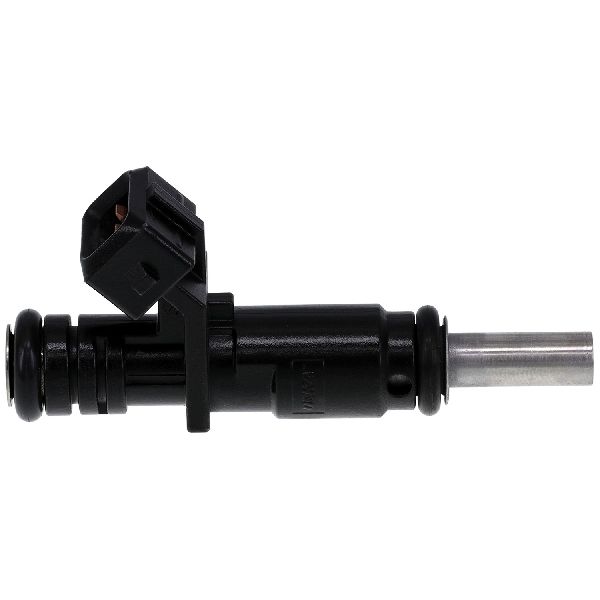
- N52 Engine (Port Injection): Found in 2007-2011 sedans/wagons (E90/E91) and 2007-2013 coupes/convertibles (E92/E93). This is a non-turbo, inline six-cylinder engine. These injectors are generally reliable, less expensive, and easier to replace.
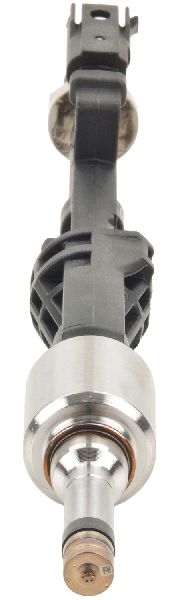
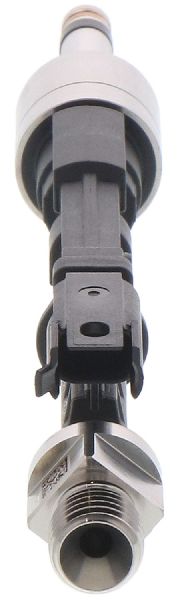
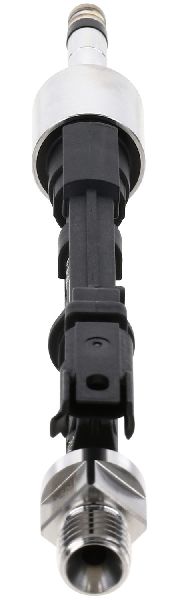
- N20 Engine (Direct Injection): Found in 2012-2016 sedans (F30). This is a 2.0L turbocharged four-cylinder engine. These high-pressure injectors are more complex, more expensive, and have more known issues.
Look under your hood at the plastic engine cover. An N52 will say "BMW" and show six distinct intake runners. An N20 will say "TwinPower Turbo" and is a smaller four-cylinder engine. Identifying your engine correctly is the most important step.
Common Symptoms of a Failing Fuel Injector

Whether you have an N52 or N20, the signs of a bad injector are similar. The engine's computer tries to adjust, but a clogged or leaking injector will cause noticeable problems. You may experience:
- Rough, shaky idle or stalling at stoplights.
- Engine hesitation or misfires when you accelerate.
- A noticeable drop in fuel mileage.
- Difficulty starting the engine, especially when warm.
- A "Check Engine" light, often with misfire codes (P0300-P0306).
- A strong smell of unburned gasoline around the car.
- A "Drivetrain Malfunction" warning on F30 models.
Check for Warranty Coverage First!
BMW has issued extended warranties (often to 10 years or 120,000 miles) for fuel injectors on several different engines due to known issues. Before you spend any money, call a BMW dealership with your VIN and ask if there are any open recalls or extended warranty coverages for your fuel injectors. You might be eligible for a free repair.
Choosing the Right Aftermarket Fuel Injector

When it comes to fuel injectors for a BMW, brand choice matters. You need a part that delivers the exact amount of fuel the original did.
- Tier 1 (OEM Supplier): Bosch
Bosch is the original equipment manufacturer (OEM) for BMW fuel injectors. This means the Bosch-branded aftermarket part is often identical to the one sold in a BMW box, but at a much lower price. For both N52 and N20 engines, Bosch is the safest and most recommended choice for aftermarket replacement. - Tier 2 (Reputable Aftermarket): Standard Ignition, Beck Arnley
Brands like Standard Motor Products and Beck Arnley are well-known in the industry. They produce reliable components that meet or exceed OEM specifications. Beck Arnley specializes in parts for import vehicles and is a solid alternative if Bosch is unavailable. - Tier 3 (Value Brands): GBR Fuel Injection, Walker Products
These brands offer a lower price point. While they can get your car back on the road, they may not have the same long-term durability or precise calibration as OEM-level parts. For a sensitive component like a fuel injector, especially on the N20 direct-injection engine, sticking with Tier 1 or 2 is highly recommended.
Replacing the Injectors: N52 vs. N20

The replacement job is vastly different depending on your engine.
For the N52 Engine (Port Injection):
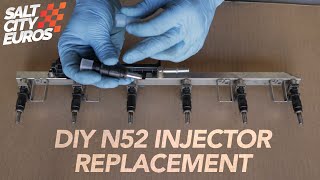
This is a manageable DIY project for most home mechanics. The injectors sit in a fuel rail on top of the engine. The basic steps involve removing covers, relieving fuel pressure at the Schrader valve, unplugging the injector harness, unbolting the fuel rail, and swapping the injectors. 🎬 Watch this step-by-step guide for replacing N52 port injectors. No special coding is needed.
For the N20 Engine (Direct Injection):
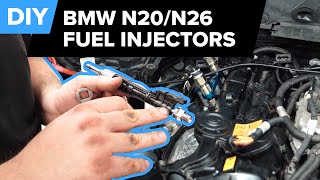
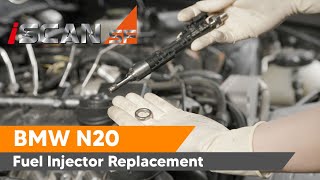
This is a more advanced job. These injectors are under extremely high pressure and are seated directly in the cylinder head. You will need a special puller tool to remove them without damage. 🎬 See the best way to remove and replace N20 injectors. Each injector has a Teflon seal that MUST be replaced. After installation, the new injectors MUST be "coded" to the engine's computer (DME) using a high-end scan tool. Each injector has a calibration value printed on it that the computer needs to know. Skipping this step will result in poor performance and potential engine damage.
Pro Tip: Replace in Sets?
For the N52, if one injector fails at high mileage, the others may not be far behind. Replacing them all at once can save you from doing the job again soon. For the N20, due to the higher cost and complexity, it's more common to replace only the failed injector. However, BMW often updates injector designs (called index numbers), and it's recommended not to mix very old and very new index numbers in the same engine.
| Item | N52 (Port Injection) | N20 (Direct Injection) |
|---|---|---|
| Aftermarket Injector (1) | $57 - $120 | $90 - $403 |
| OEM Injector (1) | ~$160 | ~$250 - $400+ |
| Shop Labor (Set of 4 or 6) | $150 - $300 | $350 - $600+ (includes coding) |
Frequently Asked Questions (FAQ)
Do I have to replace all fuel injectors at once?
You don't have to, but it's often a good idea, especially on higher-mileage N52 engines. Since you already have the fuel rail off, replacing them all can prevent a future failure. For the more expensive N20 injectors, it's common to replace only the one that has failed.
What is fuel injector coding and is it always necessary?
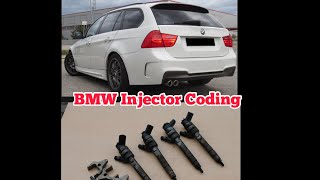
Coding is the process of telling the engine computer the precise flow rate of each new injector. It is NOT required for the N52 port-injection engine. It is absolutely MANDATORY for the N20 direct-injection engine. Failure to code new N20 injectors will lead to a rough running engine, poor fuel economy, and potential long-term damage.
🎬 Watch how to code your new injectors using a diagnostic tool.Is there a recall on the 2007-2016 BMW 328i fuel injector?
There are no specific recalls for the fuel injectors on most 328i models in this year range. However, BMW has offered extended warranties for injectors on many models. Always check with a dealer using your car's VIN to see if any coverage applies to you before starting a repair.
Can a bad fuel injector damage my engine?
Yes. A leaking injector can wash oil off the cylinder walls, leading to increased wear. A severely clogged or failed injector can cause a lean condition, which raises combustion temperatures and can damage pistons or valves over time. It can also damage your expensive catalytic converter.
Helpful Videos
Technical Specifications
OEM Part Numbers: 13537585261 13538616079 13537565138 13537521634
Crucial distinction between Port Fuel Injectors for the N52 engine (2007-2013) and High-Pressure Direct Fuel Injectors for the N20 engine (2012-2016). Parts are not interchangeable.
We Have This Part in Stock


The information in this article is provided for general reference and educational purposes only. Vehicle specifications, procedures, and part compatibility can vary by production date, trim level, and region. Always consult your vehicle's factory service manual and verify part numbers before purchasing or performing repairs. Safety-critical components such as airbags, seat belts, and braking systems should be installed by a qualified professional.
- BMW 328i: