

A Guide to Replacing Disc Brake Pads on the 2007-2016 Audi Q7
Everything you need to know before buying and installing new aftermarket brake pads on your first-generation Audi Q7.
- Always replace brake wear sensors with the pads; they are one-time use parts.
- Replacing rotors at the same time as pads is highly recommended to avoid vibration and ensure proper performance on this heavy SUV.
- If your Q7 has an Electronic Parking Brake (EPB), a scan tool is required to retract the rear calipers for service.
- Choose your aftermarket pad compound based on your priorities: ceramic for low dust and quiet, or semi-metallic for OEM-style bite.
Symptoms of Worn Brake Pads on an Audi Q7


When your brake pads are nearing the end of their life, your Q7 will give you several clear warnings. Ignoring them can lead to more expensive repairs.
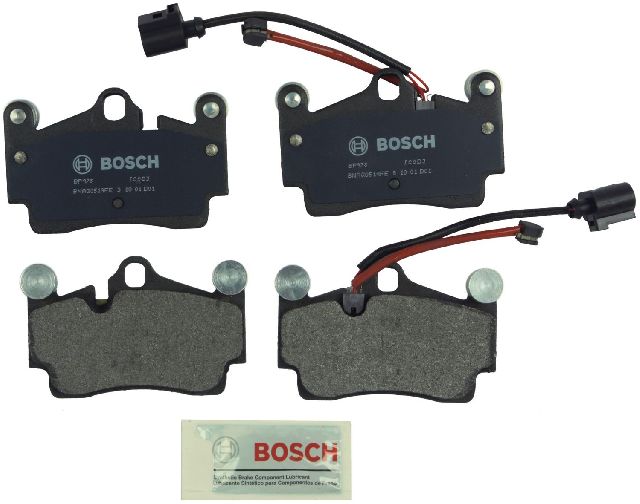
- Brake Pad Warning Light: The most obvious sign is the brake pad warning light on your dashboard. This light is triggered when a small sensor embedded in the brake pad is worn through, meaning the pads are low and should be replaced soon. You must replace the sensor along with the pads.
- Squealing or Grinding Noises: High-pitched squealing when you apply the brakes is a common indicator of worn pads. If you hear a louder, harsher grinding sound, it means the pads are completely worn away, and the metal backing plate is grinding against the rotor. This can cause severe damage and requires immediate attention.
- Spongy or Soft Brake Pedal: If the brake pedal feels less responsive or sinks closer to the floor, it could be a sign of worn pads or other issues within the brake system.
- Vibration or Pulsing: A pulsing sensation in the brake pedal or steering wheel when braking often points to warped brake rotors. It is highly recommended to replace rotors at the same time as the pads on a Q7 to prevent this issue.
Known Issues: Recalls and Service Bulletins
Brake Booster Recall: A safety recall (NHTSA Campaign ID: 14V564000, Audi code 47L8) was issued for some 2013 Audi Q7 models with the 3.0L TDI engine. A faulty check valve could allow oil to enter the brake booster, potentially causing a loss of power braking assist. While not a pad issue, it's a critical safety check for affected vehicles.
Brake Squeal TSBs: Audi has released several Technical Service Bulletins (TSBs) for brake squeal, particularly at low speeds or in reverse. These issues are often caused by corrosion, glazing, or brake dust buildup. Following proper cleaning and lubrication procedures during installation can help prevent this common annoyance.
Choosing the Right Aftermarket Brake Pads

The original Audi Q7 brake pads are typically a semi-metallic compound, known for excellent stopping power but also for producing significant brake dust. Aftermarket pads give you the choice to either maintain that original feel or switch to a different compound that better suits your driving style, such as a low-dust ceramic.
OEM-Equivalent & Premium Brands
These brands are often the original equipment (OE) suppliers to Audi and other German automakers. They provide performance, feel, and durability that is very similar to the original factory pads. They are an excellent choice for owners who want to maintain the stock braking characteristics.
- ATE: A well-regarded German brand known for high-quality brake systems and pads that meet or exceed OEM standards.
- Brembo: The first-generation Q7 often came with Brembo 6-piston front calipers. Brembo's aftermarket pads are designed to restore that original high performance.
- Pagid, Textar, TRW, Zimmermann: These are all trusted OE suppliers. Choosing any of these brands is a safe bet for quality and fitment.
Performance Upgrade Brands
If you tow with your Q7 or simply desire more initial bite and fade resistance during spirited driving, a performance pad is a good option. Be aware that some performance pads may create more dust or noise than stock pads.
- EBC Brakes: Their 'Yellowstuff' pads are a popular performance option, offering strong stopping power but can produce some dust and noise.
- Hawk Performance: Offers various compounds, from ceramic pads for low dust to high-performance pads for aggressive street driving.
- StopTech: A popular choice for those looking for a complete performance brake kit, often including slotted rotors.
Daily Driver & Low-Dust Brands
For many owners, the biggest complaint about OEM pads is the constant brake dust. Ceramic brake pads are the best solution for this, offering clean wheels and quiet operation, though sometimes with a slightly less aggressive initial bite compared to semi-metallic pads.
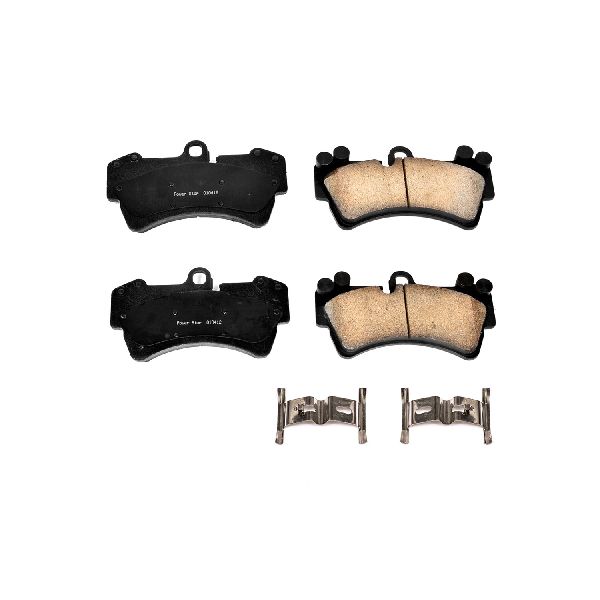
- Powerstop: Very popular in forums for their affordable brake kits that often include ceramic pads and drilled/slotted rotors. Owners report low dust and quiet, reliable performance.
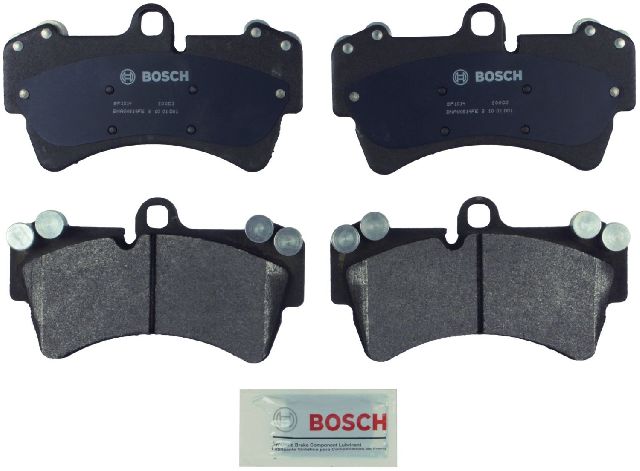
- Bosch: Offers reliable, quiet ceramic and semi-metallic pads that are a dependable choice for daily driving.
- Centric: Their Posi-Quiet line is well-regarded and offers a good balance of performance and low noise/dust for everyday use.
Pro Tip: Electronic Parking Brake (EPB)
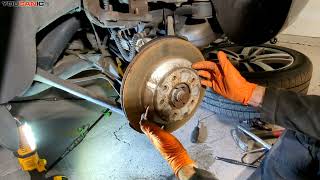
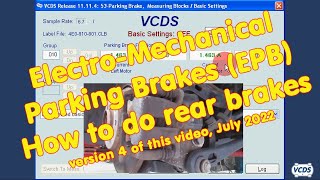
Many 2007-2016 Q7 models are equipped with an Electronic Parking Brake (EPB). To replace the rear brake pads, you must use a compatible automotive scan tool (like VCDS, OBDeleven, or Autel) to put the rear calipers into a special 'service mode'. This retracts the electronic piston. Attempting to force the piston back with a manual tool will destroy the caliper motor. Once the new pads are installed, the tool is used to close the caliper and recalibrate the system.
Cost of New Disc Brake Pad Sets for Audi Q7 (2007-2016)

| Category | Price Range (Parts Only) | Notes |
|---|---|---|
| New Aftermarket Pads | $31 - $380 | Price varies widely by brand and compound (ceramic vs. semi-metallic). Includes economy, OEM-quality, and performance options. |
| New OEM Pads | $100 - $280 per axle | Genuine Audi parts purchased from a dealer. Price is for pads only and does not include rotors or sensors. |
| Shop Labor | $110 - $200 per axle | Estimated cost for professional installation at an independent shop. Dealer labor rates will be higher. |
Frequently Asked Questions
Do I have to replace my brake rotors with the pads?
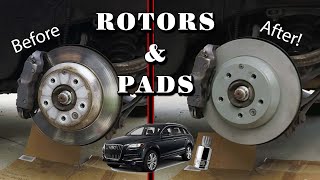
It is strongly recommended. The Q7 is a heavy vehicle that is hard on brakes. Installing new pads on old, worn rotors (a "pad slap") can cause vibration, noise, and reduced performance. Most shops and experienced owners advise replacing pads and rotors together for the best results.
What is the brake wear sensor and can I reuse it?
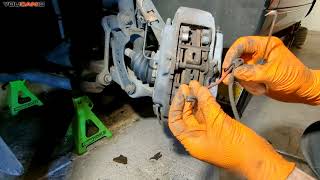
The brake wear sensor is a small plastic part with a wire loop that clips onto the brake pad. When the pad wears down, the rotor grinds through the sensor, breaking the wire and triggering the warning light. Because it is physically destroyed in the process, it is a single-use part and must be replaced with every brake pad change.
Why are my new brakes squeaking?
New brake squeal can be caused by several factors. High-performance or semi-metallic pads can be noisier by nature. Often, noise comes from vibration between the pads and caliper. Ensure all contact points were properly cleaned and lubricated with high-temperature brake grease during installation. Also, following the manufacturer's "bedding-in" procedure, which involves a series of controlled stops, is crucial to properly mate the new pads to the rotors.
What special tools are needed for a Q7 brake job?
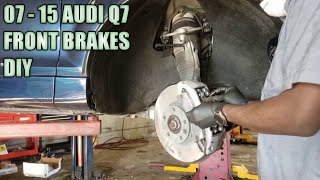
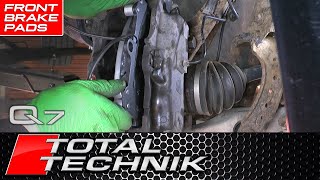
For the front brakes, you'll need a punch to remove the pad retaining pin. For the rear brakes, you will likely need a large M16 triple square socket to remove the caliper carrier bolts. Most importantly, if your Q7 has an Electronic Parking Brake, a compatible diagnostic scan tool is required to retract the rear calipers for service.
Helpful Videos
Technical Specifications
OEM Part Numbers: 4M0698151BD
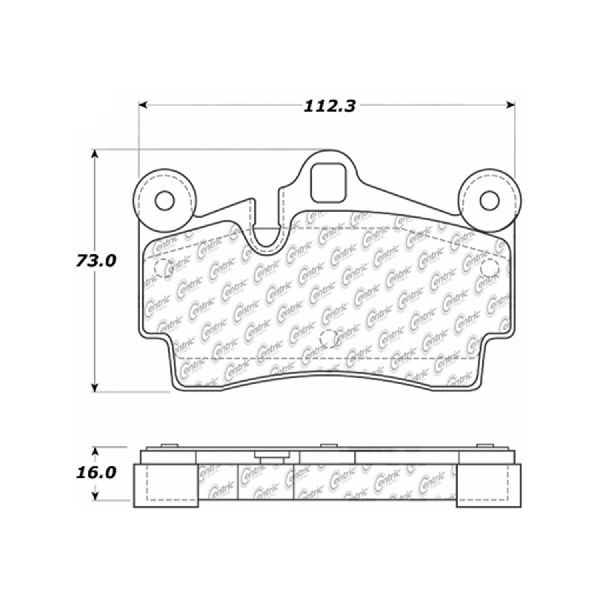
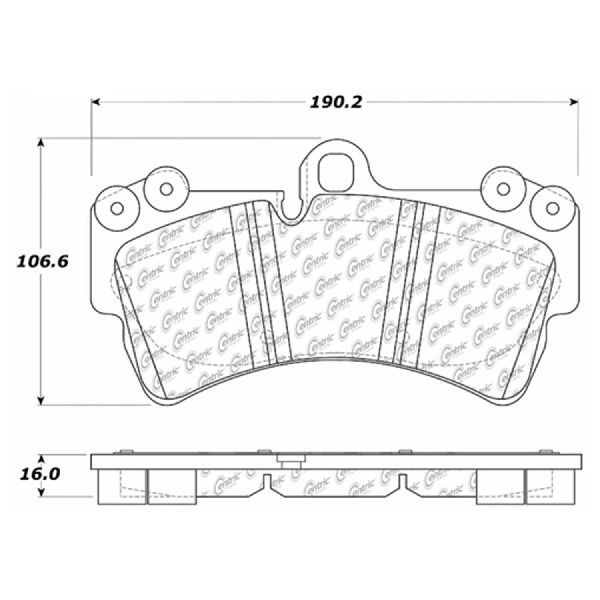
Brake systems can vary based on engine size and model year. Front calipers are often 6-piston Brembo fixed calipers. Rear calipers may feature an Electronic Parking Brake (EPB) motor. Systems use electronic wear sensors that must be replaced with the pads.
We Have This Part in Stock

The information in this article is provided for general reference and educational purposes only. Vehicle specifications, procedures, and part compatibility can vary by production date, trim level, and region. Always consult your vehicle's factory service manual and verify part numbers before purchasing or performing repairs. Safety-critical components such as airbags, seat belts, and braking systems should be installed by a qualified professional.
- Audi Q7: