

Guide to the 2007-2015 Volkswagen Jetta MAP Sensor
Is your Jetta running rough, losing power, or burning too much fuel? A bad MAP sensor might be the problem.
- Before replacing the sensor for a P0106 code, check for Volkswagen TSB 01 13 17, which may require a simple ECU software update instead.
- A failed PCV valve is a common cause of MAP sensor failure on the 2.5L engine; check for oil on the old sensor.
- Replacement is an easy DIY job, typically taking less than 30 minutes with basic tools.
- For best results, choose an OEM-quality sensor from a brand like Bosch to avoid the reliability issues associated with cheaper aftermarket parts.
Is Your Jetta's MAP Sensor Failing?

When a MAP sensor starts to go bad, your Jetta's computer receives incorrect information about engine pressure. This can cause a variety of noticeable problems. Look out for these common signs of failure:
- Check Engine Light: This is usually the first warning. A scan tool will often show the code P0106.
- Poor Fuel Economy: The engine may run "rich," meaning it uses more fuel than necessary, causing you to fill up more often.
- Rough Idle: Your engine might shake or surge when the car is stopped because the air-fuel mixture is unstable.
- Lack of Power: The car may feel sluggish or hesitate when you press the gas pedal.
- Black Smoke from Exhaust: This is a clear sign of unburnt fuel, often caused by a faulty MAP sensor telling the computer to send too much gas.
⚠️ Important TSB for P0106 Code
Before you replace the MAP sensor, be aware that Volkswagen has issued a Technical Service Bulletin (TSB 01 13 17) for many 2011-2014 Jettas with the P0106 code. The bulletin notes that the engine computer's software may be too sensitive and could trigger the Check Engine Light by mistake. The official recommendation is to have a dealer perform a software update before replacing any parts.
Choosing the Right Aftermarket MAP Sensor

When shopping for a replacement, you'll find both Original Equipment Manufacturer (OEM) and aftermarket options. The original sensor for your Jetta was made by Bosch.
- OEM-Quality (Bosch): Buying a Bosch-branded sensor from an aftermarket supplier is often the most reliable choice. It provides the same quality and performance as the dealer part without the higher price tag.
- Aftermarket Brands (Replacement): Basic aftermarket sensors are available at a very low price point. While the initial cost is appealing, be aware that electronic sensors like the MAP sensor are precision components. Some Jetta owners report that cheaper aftermarket sensors can fail prematurely or provide inaccurate readings, leading to the same problems coming back. For a critical sensor like this, investing in an OEM-quality part is often recommended to avoid future headaches.
Pro Tip: Check the PCV Valve!
A very common reason for MAP sensor failure on the 2.5L Jetta engine is a bad PCV valve. When the PCV system fails, it allows engine oil to get sucked into the intake manifold. The MAP sensor is located at the bottom of the manifold and gets coated in this oil, which causes it to fail. If you remove your old sensor and find it's covered in oil, you must also service the PCV system to prevent the new sensor from failing for the same reason.
Replacement Cost
The cost to replace a MAP sensor depends on the part you choose and whether you do the work yourself. The job is simple enough for most DIY mechanics.
| Part/Service | Estimated Cost |
|---|---|
| New OEM (Dealer) | $85 - $176 |
| New Aftermarket (OEM-Quality) | $40 - $80 |
| New Aftermarket (Value) | $25 - $40 |
| Shop Labor | $49 - $140 |
Frequently Asked Questions

Where is the MAP sensor located on my 2007-2015 Jetta?
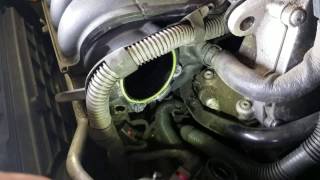
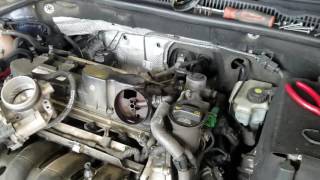
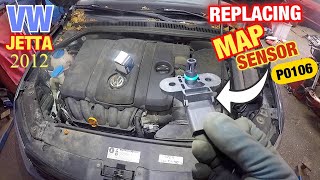
The location varies slightly by engine. On the common 2.5L engine, it is plugged into the bottom of the plastic intake manifold, underneath the engine cover/airbox assembly. On TDI models, it is often found near the AC compressor. A quick search for your specific engine and model year will provide a precise location.
Can I just clean my old MAP sensor?
If the sensor is contaminated with oil, you can try cleaning it with a dedicated electronics or MAF sensor cleaner. However, this is often a temporary fix. If the oil contamination is from a bad PCV valve, the problem will return quickly. If the sensor has failed electronically, cleaning will not help.
What happens if I don't replace a bad MAP sensor?
Continuing to drive with a bad MAP sensor will result in poor engine performance, high fuel consumption, and failed emissions tests. Over time, running a constant rich fuel mixture can damage other expensive components, like your oxygen sensors and catalytic converter.
Is a cheap aftermarket MAP sensor good enough for my Jetta?
While it might work initially, many mechanics and owners have found that low-cost aftermarket electronic sensors for German vehicles can be unreliable. Given the known TSBs and related PCV issues with these cars, using a proven OEM-quality part from a brand like Bosch is a safer bet to ensure the problem is fixed correctly the first time.
Helpful Videos

Technical Specifications
OEM Part Numbers: 03C906051F 03C906051 038906051D 03G906051M 03G906051E
The OEM sensor is manufactured by Bosch. The sensor uses a 4-pin connector on most models. Turbocharged models (2.0T, TDI) may use a 3-bar or 4-bar sensor for reading boost pressure, while naturally aspirated engines use a standard sensor.

The information in this article is provided for general reference and educational purposes only. Vehicle specifications, procedures, and part compatibility can vary by production date, trim level, and region. Always consult your vehicle's factory service manual and verify part numbers before purchasing or performing repairs. Safety-critical components such as airbags, seat belts, and braking systems should be installed by a qualified professional.
- Volkswagen Jetta: