

Honda CR-V Brake Light Switch Guide for 2007-2015 Models
Learn why a faulty brake light switch can prevent your CR-V from starting or shifting out of park, and how to choose the right replacement.
- A bad brake light switch can do more than just affect the lights; it can prevent your CR-V from starting or shifting out of Park.
- Before replacing the switch, check for a broken plastic stopper on the brake pedal arm, as this is a common and cheaper fix for brake lights that stay on.
- Replacement is a simple DIY job for most owners, located above the brake pedal and requiring no special tools.
- Honda has a Technical Service Bulletin (TSB) related to this switch for issues with VSA lights and shifting out of park.
Is Your Honda CR-V Experiencing These Problems?

A failing brake light switch on the 2007-2015 CR-V can cause several confusing issues. Because the switch is tied to multiple systems, you might not immediately suspect it's the culprit. Here are the most common signs of failure:
- Brake Lights Don't Work: The most obvious symptom is that your brake lights do not turn on when you press the pedal.
- Brake Lights Stay On: The opposite can also happen. The brake lights may remain on even when your foot is off the pedal, draining the battery. This is often caused by a small, brittle plastic stopper on the brake pedal arm that breaks apart, letting the switch plunger stay extended.
- Cannot Shift Out of Park: Your CR-V may get stuck in Park because the faulty switch isn't sending the required signal to the shift interlock solenoid. 🎬 Watch: How to troubleshoot a shifter stuck in Park
- Engine Won't Start (Push-Button Start Models): If you have a push-to-start model, the engine will not crank if the computer doesn't detect that the brake pedal is depressed.
- Cruise Control Issues: The cruise control may not set, or it might cancel unexpectedly while driving.
- Dashboard Warning Lights: A bad switch can sometimes trigger the ABS or Vehicle Stability Assist (VSA) warning lights.
Known Issue: Service Bulletin for Shifter & VSA Light Problems
Honda issued a Technical Service Bulletin (TSB) for CR-V models experiencing intermittent issues like being unable to shift from Park or having the VSA indicator light on. The bulletin points to a malfunctioning brake pedal position switch and recommends replacing it. If you have these specific symptoms, a new switch is the likely solution.
Choosing the Right Aftermarket Brake Light Switch

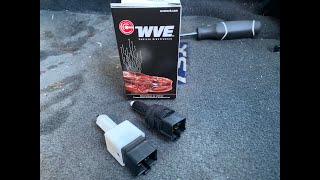
When your brake light switch fails, you have the choice between an Original Equipment (OEM) part from a Honda dealer and an aftermarket part from brands like Standard Ignition, Beck Arnley, Holstein, or Facet. For a simple but critical part like this, here’s how to decide.
- OEM Quality: The original part is a known quantity. Given the low cost of this part, checking the price at a Honda dealership is a good first step. The price difference may be minimal, making OEM a safe bet.
- Aftermarket Quality Tiers: Aftermarket brands offer a cost-effective alternative. For this part, they can be grouped into general tiers based on reputation.
- Good Tier (Value-Focused): Brands like Holstein and Facet provide functional replacements that meet basic requirements. Holstein notes their parts are direct OE replacements with a 3-year warranty.
- Better Tier (Established Brands): Standard Ignition (SMP) and Beck Arnley are well-known in the aftermarket. Beck Arnley focuses on matching OE form and function for foreign nameplates. They are generally considered reliable choices for common repairs.
Pro Tip: Before buying a new switch, inspect the area above your brake pedal. Look for small, broken pieces of blue or white plastic 🎬 Watch: How to fix brake lights that stay on on the floor mat. A disintegrated brake pedal stopper is a very common Honda issue that causes the brake lights to stay on. This is a separate, inexpensive part that may be all you need to fix the problem.
Cost of Replacing a 2007-2015 Honda CR-V Brake Light Switch
| Part Type | Estimated Cost |
|---|---|
| New Aftermarket Switch | $10.69 - $50.60 |
| New OEM Honda Switch | $25 - $60 |
| Shop Labor | $50 - $100 |
| Total Professional Replacement | $75 - $160 |
Frequently Asked Questions

Why won't my CR-V start or shift out of park?
Your CR-V has a safety interlock that requires a signal from the brake light switch to allow the shifter to move from Park or to enable the push-button start. If the switch is faulty, the car's computer doesn't know you're pressing the brake, and it will not allow you to perform these actions.
Can I replace the brake light switch myself?
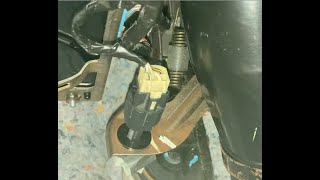
Yes, this is a very DIY-friendly repair. The switch is located just above the brake pedal arm. The process typically involves unplugging the electrical connector, twisting the old switch about 45 degrees to unlock and remove it, and then installing the new one in the reverse order. No special tools are required, though access can be a bit awkward.
🎬 See this step-by-step brake light switch replacement walkthroughWhy are my brake lights stuck on and draining my battery?
This is a classic symptom of two possible issues: either the brake light switch has failed in the 'on' position, or a small plastic stopper on the brake pedal arm has broken off. When the stopper disintegrates, the switch's plunger pokes through the empty hole, keeping the brake lights activated permanently. Always check for this broken stopper before replacing the switch itself.
Is there a recall for the brake light switch on my CR-V?
There is no active safety recall from the NHTSA for the brake light switch on 2007-2015 Honda CR-V models. However, Honda has issued a Technical Service Bulletin (TSB) which instructs technicians to replace the switch if certain VSA warning lights or shift-from-park issues are present.
Helpful Videos

Technical Specifications
OEM Part Numbers: 36750-SMA-003 35350-SMA-003 36750-SDA-A01 36750-S5A-J01
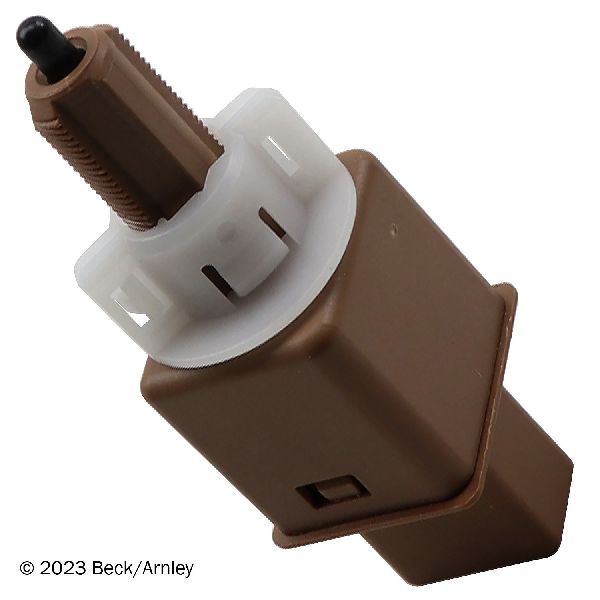
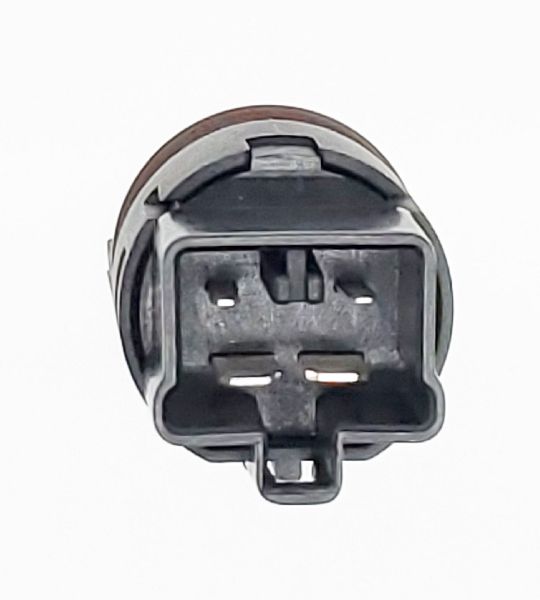
Typically a 4-pin, twist-in style switch mounted to a bracket on the brake pedal assembly.
We Have This Part in Stock


The information in this article is provided for general reference and educational purposes only. Vehicle specifications, procedures, and part compatibility can vary by production date, trim level, and region. Always consult your vehicle's factory service manual and verify part numbers before purchasing or performing repairs. Safety-critical components such as airbags, seat belts, and braking systems should be installed by a qualified professional.
- Honda CR-V: