

Ford Edge Wheel Bearing Diagnosis and Replacement Guide (2007-2015)
Hearing a roaring or humming noise from your wheels? It's a common issue on the Ford Edge, and this guide will help you understand why.
- A roaring or humming noise that gets louder with speed is the classic sign of a bad wheel bearing on your Edge.
- Due to a safety recall on 2007 models and the difficult labor, choosing a premium aftermarket brand like Timken, SKF, or FAG is highly recommended for long-term reliability.
- Front wheel bearing replacement requires a shop press and is not a simple DIY job; rear bearings are bolt-on but can be seized by rust.
- Always confirm if your Edge is FWD or AWD before ordering, as the parts can be different.
Is Your Ford Edge Making a Roaring or Humming Noise?


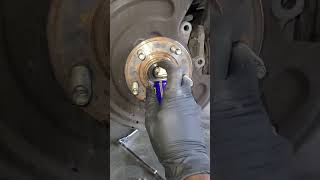
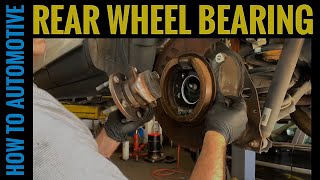
The most common sign of a failing wheel bearing on a 2007-2015 Ford Edge is a loud noise coming from one of the wheels. This sound is often described as a humming, roaring, or growling that gets louder as you drive faster. 🎬 Watch: How to diagnose and change a noisy rear bearing A good way to identify which side is bad is to pay attention while turning; the noise may get louder when you turn in one direction, which puts more load on the failing bearing.
Known Issues for the 2007-2015 Ford Edge
This generation of the Ford Edge has some documented issues related to its wheel bearings.
- Safety Recall 07S54: Ford recalled some early-production 2007 Edge models due to front wheel bearing and hub assemblies that were not properly heat-treated. This could cause the hub to fracture, potentially leading to a wheel separating from the vehicle. It is critical to ensure any replacement is a high-quality part.
- TSB 14-0098: Ford issued a Technical Service Bulletin for a "howl or growl" noise from the rear wheel area on 2007-2010 models, identifying the rear wheel bearing as the cause. This indicates a known pattern of failure for these parts.
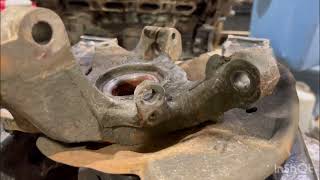
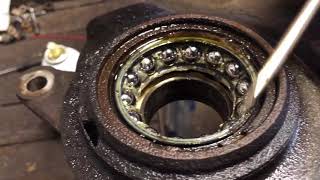
- Rust & Seizure: In regions with heavy road salt use (the "Rust Belt"), the rear wheel bearing hubs are known to seize into the suspension knuckle, making removal extremely difficult. The front press-in bearings can also be very difficult to remove from the knuckle.
Choosing the Right Aftermarket Wheel Bearing
When replacing a wheel bearing on your Edge, you have a choice between OEM and various aftermarket brands. Given the difficult labor involved, especially for the front, choosing a quality part is important to avoid doing the job twice.
OEM (Motorcraft): Motorcraft is Ford's official parts brand. It offers a direct fit and original quality, making it a reliable, but often more expensive, choice.
Premium Aftermarket Brands (Timken, SKF, FAG, NSK, NTN): These brands are well-respected in the industry and are often the original equipment supplier for many automakers. Brands like Timken, SKF, and FAG are known for their high-quality materials and engineering, often meeting or exceeding OEM specifications. Many experienced owners and mechanics strongly recommend these brands for their durability, which is a major plus considering the labor-intensive nature of the replacement.
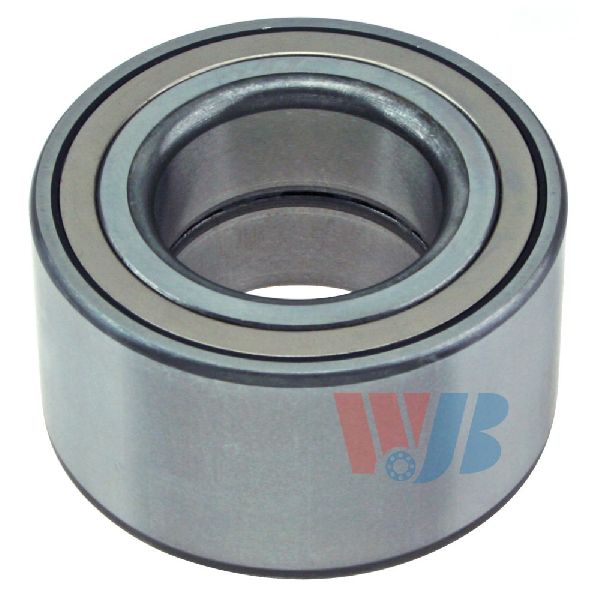
Standard Aftermarket Brands (Mevotech, National, WJB, Dorman): These brands offer a more budget-friendly option. While they can provide good value, their longevity can sometimes be less consistent than premium brands. For a vehicle you plan to keep for a long time, investing in a premium brand may be more cost-effective in the long run.
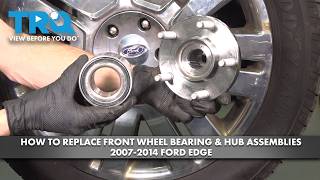
Pro Tip: The front wheel bearings on all 2007-2015 Ford Edge models are a "press-in" design. This means the entire steering knuckle must be removed from the vehicle and a hydraulic shop press is needed 🎬 Watch: Complete start-to-finish front press-in bearing replacement guide to push the old bearing out and the new one in. This is not a simple DIY job for most home mechanics. The rear bearings are a bolt-on hub assembly and are much easier to replace, 🎬 See this walkthrough for replacing the rear wheel hub although they can be seized by rust.
Estimated Costs for Replacement
| Part Type | Part Cost | Shop Labor Cost (per side) |
|---|---|---|
| New OEM (Motorcraft) | $120 - $200 | Front: $250 - $450 Rear: $150 - $250 |
| New Premium Aftermarket | $60 - $120 | |
| New Standard Aftermarket | $30 - $95 |
*Cost estimates are approximate and can vary based on location, vehicle condition (rust), and the specific repair shop.
Frequently Asked Questions (FAQ)

Can I replace just the bearing or do I need the whole hub?
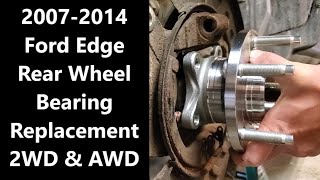
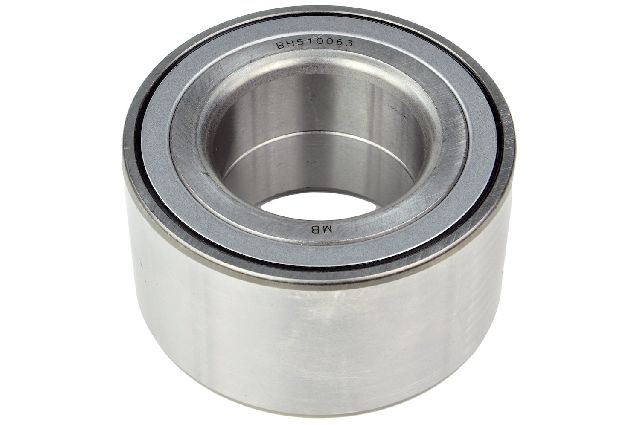
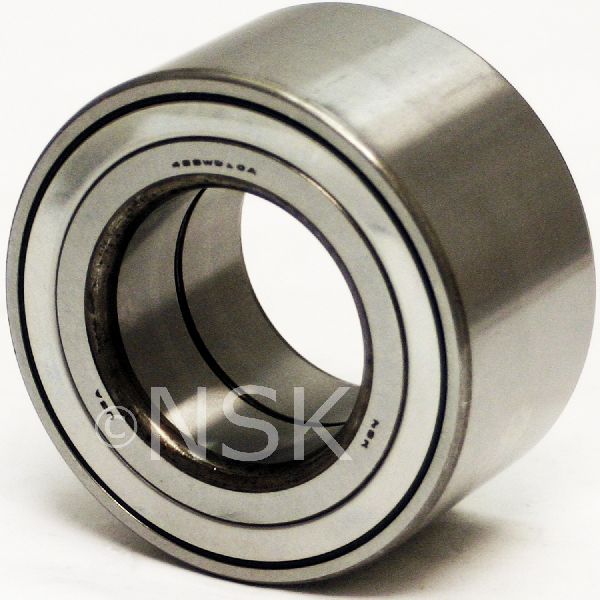
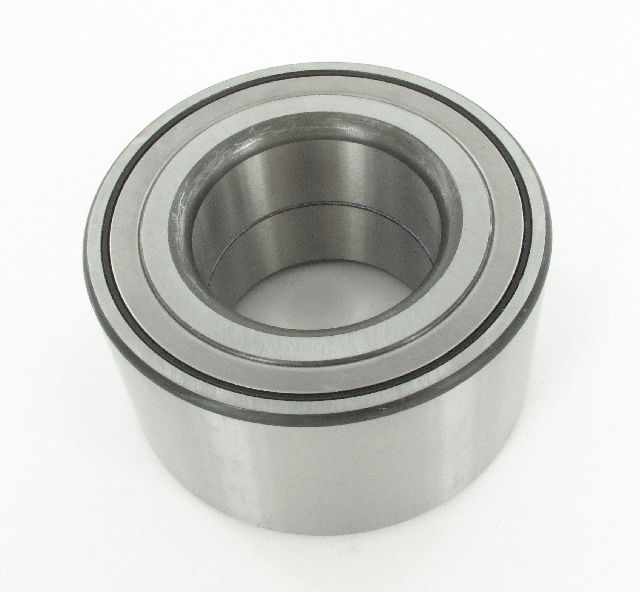
For the 2007-2015 Edge, the front uses a press-in bearing, while the rear uses a complete bolt-on wheel bearing and hub assembly. You cannot buy just the bearing for the rear; it comes as a single unit. For the front, you replace the bearing itself, but it is pressed into your existing steering knuckle.
Do I need an alignment after replacing a wheel bearing?
Yes, an alignment is highly recommended after replacing a front wheel bearing because the steering knuckle must be removed, which affects suspension geometry. An alignment is not typically necessary after replacing a rear hub assembly.
Is there a difference between AWD and FWD wheel bearings?
Yes, there can be differences, especially for the rear hubs. Always verify that the part you are ordering is correct for your vehicle's specific drivetrain (FWD or AWD) and model year to ensure proper fitment.
What tools are needed for this job?
For the rear, you'll need standard mechanic's tools, a torque wrench, and a T60 Torx socket. For the front, the job requires removing the knuckle and using a hydraulic shop press, which is not a common DIY tool. It also requires a 36mm axle nut socket.
Helpful Videos
Technical Specifications
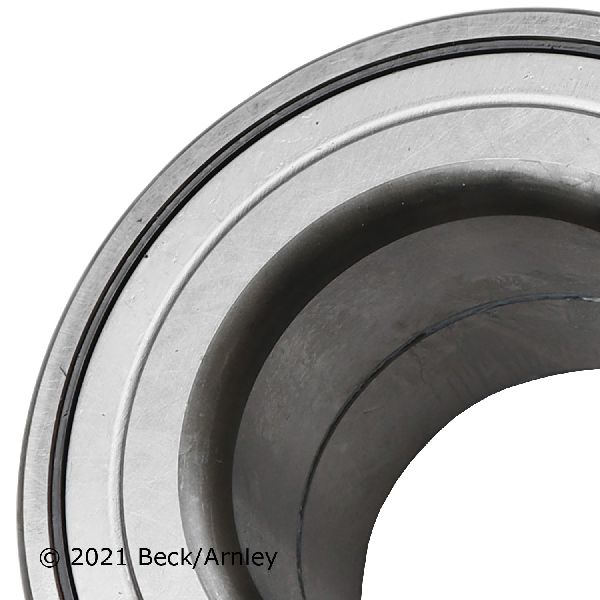
OEM Part Numbers: 7T4Z1215A 7T4Z1215B BT4Z1215A BT4Z1104A 7T4Z1104A
The 2007-2015 Ford Edge uses a press-in bearing for the front wheels and a bolt-in hub assembly for the rear wheels. The front axle nut size is 36mm. The rear hub is secured with four T60 Torx bolts.
We Have This Part in Stock


The information in this article is provided for general reference and educational purposes only. Vehicle specifications, procedures, and part compatibility can vary by production date, trim level, and region. Always consult your vehicle's factory service manual and verify part numbers before purchasing or performing repairs. Safety-critical components such as airbags, seat belts, and braking systems should be installed by a qualified professional.
- Ford Edge: