

A Guide to Spark Plugs for the 2007-2015 BMW 335i (N54 & N55)
Keep your 335i's turbocharged engine running strong by choosing the right spark plugs for your needs.
- The N54 (2007-10) and N55 (2011-15) engines use different stock spark plugs; ensure you buy the correct ones.
- For stock or lightly tuned cars, use the OEM-equivalent Bosch plugs for your specific engine.
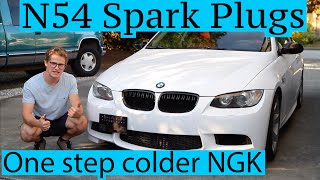
- For significantly modified cars (75+ hp increase), use one-step colder NGK plugs and gap them correctly (around 0.022").
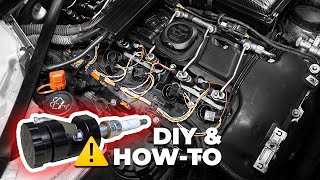
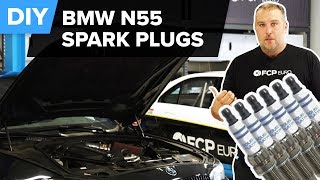
- Replacement is a feasible DIY job but requires a special 14mm 12-point thin-wall socket.
Signs of Failing Spark Plugs

When your 335i's spark plugs are nearing the end of their life, your car will let you know. The symptoms can start small but will get worse over time. Ignoring them can lead to poor performance and potentially costly engine issues.
Common symptoms include:
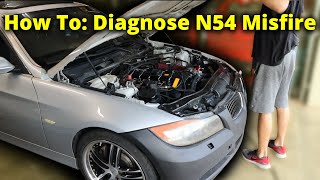
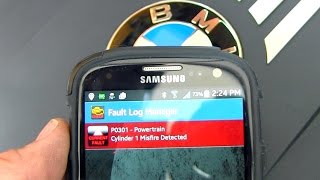
- Engine Misfires: The engine may stumble or jerk, especially under acceleration. This is often accompanied by a flashing check engine light.
- Rough Idle: Your car may vibrate or shake noticeably when stopped at a light with the engine running.
- Poor Acceleration: The car may feel sluggish or hesitant when you press the gas pedal.
- Reduced Fuel Economy: You may notice you're filling up the gas tank more often than usual.
- Difficulty Starting: The engine may take longer to crank before it starts, or it may fail to start at all.
Don't Mistake the Symptoms
While these symptoms point to bad spark plugs, they can also be caused by other issues like failing ignition coils or, particularly on the N54 engine, faulty fuel injectors. If new spark plugs don't solve the problem, further diagnosis is needed.
Choosing the Right Aftermarket Spark Plugs

The 2007-2015 BMW 335i used two different engines, and they require different spark plugs. It is critical to buy the correct plug for your engine.
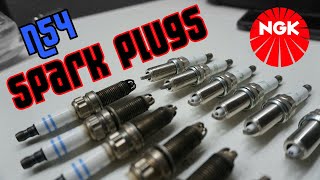
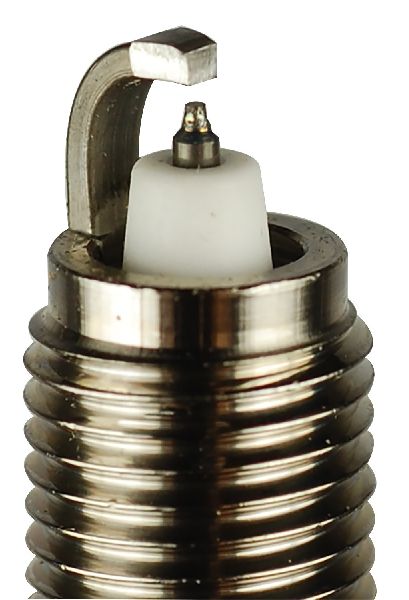
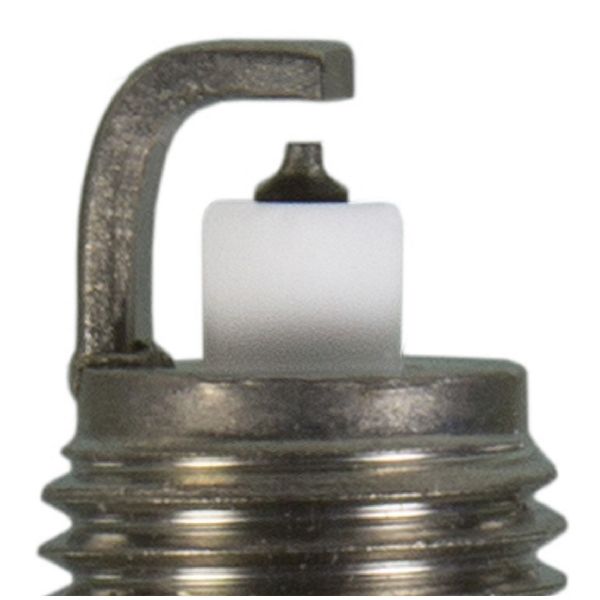
- N54 Engine (2007-2010): Twin-turbocharged. The original equipment (OEM) plug is the Bosch ZGR6STE2.
- N55 Engine (2011-2015): Single twin-scroll turbo. The original equipment (OEM) plug is the Bosch ZR5TPP33S.
Brand Quality Assessment
For a daily driven, stock, or lightly modified 335i, sticking with the OEM-equivalent Bosch plugs is a reliable and cost-effective choice. You get the same performance as the dealer part without the higher price tag.
- Bosch: As the original supplier, Bosch plugs are the standard for quality and reliability in a stock 335i. They come pre-gapped and are designed for a long service life under normal conditions.
- NGK: NGK is the preferred choice for modified and tuned vehicles. If you have increased your engine's horsepower by 75-100 hp, it is recommended to use a "one step colder" spark plug to prevent engine knock (pre-detonation). NGK offers popular colder plugs for both the N54 and N55 that are trusted by the enthusiast community.
- Champion: While available, Champion plugs are less common for these BMW engines. Most owners and mechanics stick with Bosch for stock applications and NGK for tuned applications due to their proven performance and reliability.
A Note on Gapping and Tuning
If you are running a tuned engine with higher boost, you must use colder plugs (like those from NGK) and reduce the spark plug gap. Most tuners recommend a gap of around 0.022 inches to prevent the spark from being "blown out" by the increased cylinder pressure. Stock Bosch plugs do not require gapping.
Cost of Replacing Spark Plugs on a BMW 335i
| Part Type | Price Range (Set of 6) |
|---|---|
| New OEM (Dealer) | $90 - $150 |
| New Aftermarket (Bosch, NGK) | $65 - $230 |
| Shop Labor | $194 - $284 |
Frequently Asked Questions

How often should I change my 335i spark plugs?
For a stock vehicle, BMW's recommended interval is typically every 45,000 to 60,000 miles. However, if your car is tuned, you should change them much more frequently, often every 15,000 to 25,000 miles, to maintain peak performance.
Is this a difficult DIY job?
Replacing the spark plugs on a 335i is a very manageable DIY task for most home mechanics and takes about 1-2 hours. You will need a special thin-walled 12-point 14mm spark plug socket. While the front plugs are easy to access, the rear plugs require removing the cabin air filter housing and a plastic cowl for clearance.
What is a "colder" spark plug and do I need one?
A colder spark plug is designed to transfer heat away from the combustion chamber more quickly. This is necessary on high-horsepower, tuned engines to prevent pre-detonation (knock), which can cause severe engine damage. If your car is stock or has very light modifications, you do not need colder plugs and should use the standard Bosch equivalent.
Can I use N55 plugs in an N54 engine?
Yes, many N54 owners use the stock N55 plug (Bosch ZR5TPP33S) as a mild upgrade. The N55 plug is one heat range colder than the stock N54 plug, which can be beneficial for lightly tuned N54 engines. However, you cannot use N54 plugs in an N55 engine.
Helpful Videos
Technical Specifications
OEM Part Numbers: 12120037244 (for N54 engine) 12120037582 (for N55 engine)
Socket Size: 14mm 12-point (bi-hex) thin-wall socket. Torque Spec: 23 Nm (17 ft-lbs).
We Have This Part in Stock

The information in this article is provided for general reference and educational purposes only. Vehicle specifications, procedures, and part compatibility can vary by production date, trim level, and region. Always consult your vehicle's factory service manual and verify part numbers before purchasing or performing repairs. Safety-critical components such as airbags, seat belts, and braking systems should be installed by a qualified professional.
- BMW 335i: