

2007-2015 BMW 320i Ambient Air Temperature Sensor: A Complete Guide
Is your BMW 320i's temperature display wrong or is the AC acting up? Your ambient air temperature sensor is the likely cause.
- A bad sensor primarily causes an incorrect dash temperature reading and problems with the automatic A/C.
- The sensor is located in a vulnerable spot on the front of the car and is often damaged by road debris.
- Replacement is a feasible DIY project, but may require removing the wheel liner or front bumper for access.
- An aftermarket URO Parts sensor is a cost-effective and reliable alternative to the more expensive genuine BMW part.
Is Your BMW 320i Ambient Air Temperature Sensor Failing?
If the outside temperature reading on your 320i's dashboard is stuck on an extreme number like -40°F or 122°F, you almost certainly have a problem with your ambient air temperature sensor. This sensor is a simple probe that reads the outside air, but its location makes it vulnerable to damage. Because it's mounted low on the front of the car, it can easily be broken by road debris, hitting a parking curb, or even from rodents chewing the wires. When it fails, it can also cause your automatic climate control to stop working correctly, as it no longer has an accurate outside temperature to base its adjustments on.
Choosing the Right Aftermarket Sensor
When replacing this sensor on your 320i, you have the choice between a genuine BMW part and an aftermarket one. For a simple component like this, an aftermarket sensor is often a smart, budget-friendly choice.
- OEM (Original Equipment Manufacturer): This is the part you would get from a BMW dealership. It guarantees a perfect fit and function but comes at a higher price.
- Aftermarket (URO Parts): Brands like URO Parts produce direct-fit replacements that are designed to meet or exceed original specifications. They offer a cost-effective alternative to the genuine part without a significant compromise in quality for this specific component. Given that the function is straightforward, an aftermarket sensor from a reputable brand is a reliable option for most owners.
Cost of Replacing Your Ambient Air Temperature Sensor
| Part Type | Estimated Cost |
|---|---|
| New OEM | $35 - $72 |
| New Aftermarket (URO Parts) | $11 - $20 |
| Shop Labor | $100 - $200 |
Frequently Asked Questions
Where is the ambient air temperature sensor located on a 2007-2015 BMW 320i?
The sensor is located at the front of the vehicle, typically mounted in the lower bumper grille area or inside the driver's side front wheel well liner or brake cooling duct. Its exposed position is why it's a commonly damaged part.
Can I replace this sensor myself?
Yes, this is a DIY-friendly job for many owners. The sensor itself is plug-and-play. The main challenge is accessing it, which often requires removing the front undertray, the wheel well liner, or in some cases, the entire front bumper cover. The difficulty is low to moderate, depending on how much disassembly is needed.
What happens if I don't replace a bad ambient temp sensor?
Your car will continue to run and drive normally. However, the outside temperature on your dash will be incorrect, and the automatic climate control system will not function properly, which can prevent the air conditioning from turning on. It may also cause a persistent Check Engine Light.
Does a bad ambient temp sensor affect engine performance?
No, it generally does not affect how the engine runs. The engine's computer (DME) uses a separate sensor, the Intake Air Temperature (IAT) sensor, to manage fuel and timing. The ambient sensor's primary roles are for the dashboard display and climate control.
Are there any recalls for this part on the BMW 320i?
No, there are no active recalls or Technical Service Bulletins (TSBs) from the NHTSA specifically for the ambient air temperature sensor on the 2007-2015 BMW 320i.
Technical Specifications
OEM Part Numbers: 65816936953 65816905133 65810141199 65818360625
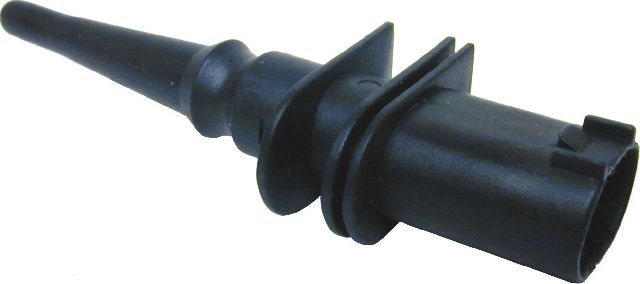
2-pin electrical connector, probe-style sensor.
We Have This Part in Stock

The information in this article is provided for general reference and educational purposes only. Vehicle specifications, procedures, and part compatibility can vary by production date, trim level, and region. Always consult your vehicle's factory service manual and verify part numbers before purchasing or performing repairs. Safety-critical components such as airbags, seat belts, and braking systems should be installed by a qualified professional.
- BMW 320i: