

Toyota FJ Cruiser Oxygen Sensor Guide for the 2007-2014 Models
Resolving your check engine light and poor fuel economy starts with choosing the correct oxygen sensor for your FJ Cruiser.
- Your 2007-2014 FJ Cruiser has four sensors; correctly identify if you need Bank 1 (passenger), Bank 2 (driver), upstream, or downstream before buying.
- Denso is the original equipment manufacturer (OEM) and is the most recommended brand to ensure compatibility and avoid repeat check engine lights.
- Always use a direct-fit sensor. Universal sensors that require cutting and splicing wires are a common source of problems on Toyota vehicles.
- A failing oxygen sensor will hurt your fuel economy and cause your vehicle to fail an emissions test.
Symptoms of a Failing Oxygen Sensor

The most common sign of a bad oxygen sensor is the check engine light appearing on your dashboard. In the FJ Cruiser, a fault in the engine management system often disables the Vehicle Stability Control (VSC) and traction control systems as a precaution, so you may see those lights as well. Other common symptoms include a noticeable drop in fuel economy, a rough or unstable idle, engine hesitation during acceleration, and sometimes a 'rotten egg' or sulfur smell from the exhaust.
Choosing the Right Aftermarket Oxygen Sensor

When replacing an oxygen sensor on your FJ Cruiser, choosing the right brand is critical. Toyota's engine management systems are known to be sensitive, and using a sensor that doesn't meet the exact original equipment (OE) specifications can lead to persistent check engine lights and performance issues. Always choose a direct-fit sensor; universal sensors that require splicing wires are strongly discouraged and often cause problems.
Bank and Sensor Location
Your FJ Cruiser has four sensors. It's crucial to identify the correct one before purchasing.
- Bank 1 is on the passenger side of the engine.
- Bank 2 is on the driver's side of the engine.
- Sensor 1 is the upstream sensor (before the catalytic converter), also called an Air/Fuel Ratio Sensor.
- Sensor 2 is the downstream sensor (after the catalytic converter).
For example, a code for "Bank 2, Sensor 1" refers to 🎬 See the best tools and methods for upstream sensor removal the upstream sensor on the driver's side.
Brand Quality Tiers for the FJ Cruiser
Tier 1: OEM and OEM-Equivalent (Highly Recommended)
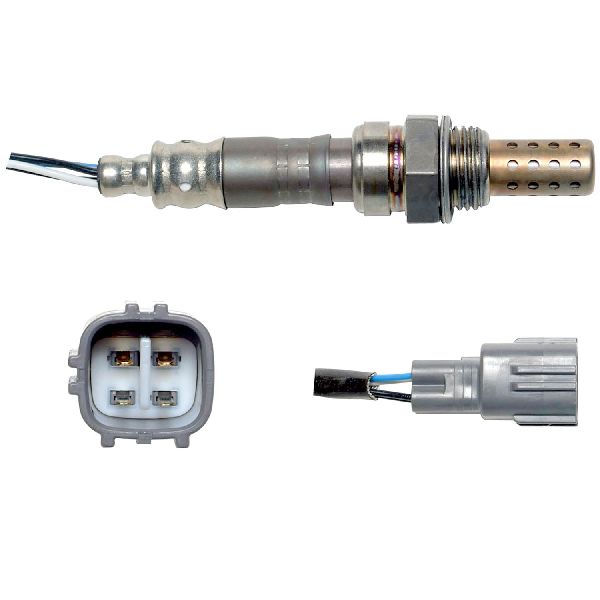
Denso: Denso is the Original Equipment Manufacturer (OEM) for Toyota, meaning they made the sensor that was installed in your FJ Cruiser at the factory. For this reason, Denso is the most recommended brand by mechanics and FJ Cruiser owners to ensure perfect compatibility and avoid issues. When you buy a Denso sensor, you are getting the same part you would from a Toyota dealer, just in a different box.
NGK (NTK): NTK is the sensor division of NGK and is another top-tier OEM supplier for many Japanese automakers. Their sensors are known for high quality and reliability and are an excellent alternative to Denso.
Tier 2: Reputable Aftermarket Brands
Bosch: Bosch is a massive, high-quality parts manufacturer that invented the automotive oxygen sensor. While their sensors are well-made, the consensus among Toyota enthusiasts is to stick with the original equipment brand (Denso) to guarantee compatibility. If you choose Bosch, ensure it is a direct-fit model for your specific vehicle.
Delphi: Delphi is a major OE supplier for many American and European brands and produces reliable aftermarket parts. Like Bosch, they are a solid choice but are not the original supplier for Toyota.
Tier 3: Budget-Friendly Options
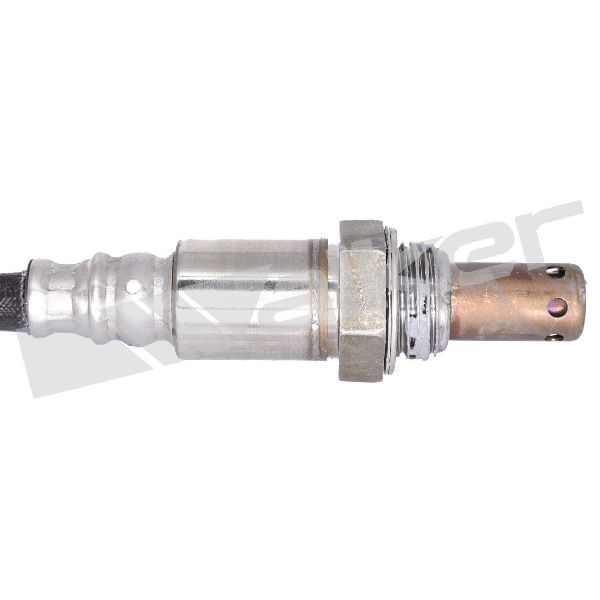
Walker Products, Spectra, DriveWire: These brands offer a more affordable solution. While they can get the job done and may be suitable for an older, high-mileage vehicle, they may not have the same longevity or precise calibration as the OEM-tier brands. Using these may increase the risk of a recurring check engine light.
A Note on P0420 and P0430 Codes
Error codes P0420 (Bank 1) and P0430 (Bank 2) mean "Catalyst System Efficiency Below Threshold." While a failing downstream oxygen sensor can cause these codes, they often indicate an aging catalytic converter or an exhaust leak. Replacing the sensor may not always fix these specific codes.
🎬 Watch: A clever trick for solving persistent catalyst efficiency codesCost of Replacing an FJ Cruiser Oxygen Sensor
| Part Type | Estimated Cost |
|---|---|
| New OEM (Toyota Branded) | $110 - $195 per sensor |
| New Aftermarket (Denso/NGK) | $65 - $150 per sensor |
| New Aftermarket (Budget) | $25 - $75 per sensor |
| Shop Labor | $100 - $250 |
Note: Costs are estimates and can vary based on location, which sensor is being replaced, and shop labor rates.
Frequently Asked Questions (FAQ)

How many oxygen sensors does my 2007-2014 FJ Cruiser have?
All 2007-2014 FJ Cruisers have four sensors: two upstream (Air/Fuel Ratio sensors) and two downstream (oxygen sensors), with one of each on both the driver's and passenger's side of the exhaust.
Why is everyone so insistent on using Denso sensors?
Denso is the original manufacturer for Toyota. Toyota ECUs are calibrated to expect the precise voltage signals and response times that Denso sensors provide. Using other brands can sometimes lead to compatibility problems, even if the part is high quality.
Can I replace just the one bad sensor?
Yes. While some recommend replacing them in pairs (both upstream or both downstream), it is common practice to only replace the single sensor that has failed. Oxygen sensors degrade over time, so if your vehicle has high mileage (over 100,000 miles), replacing the corresponding sensor on the other bank is good preventative maintenance but not strictly necessary.
🎬 Watch: How to test and replace your FJ's oxygen sensorsIs this a difficult job to do myself?
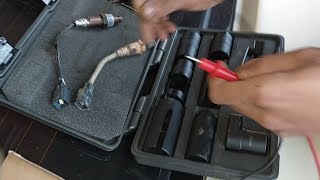
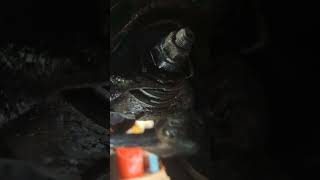
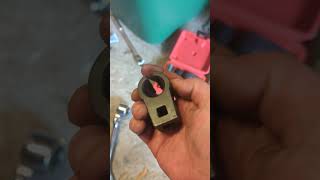
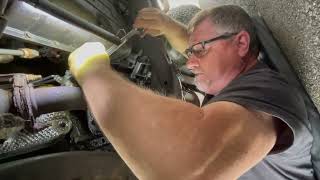
It can be. While the process is straightforward, the sensors can be seized in the exhaust pipe due to rust and heat cycles. Access to the upstream sensors, particularly on the driver's side (Bank 2), can be very tight. You will need a special oxygen sensor socket, penetrating oil, and potentially a torch to heat the exhaust bung. If you are not comfortable with this, a professional mechanic can do the job in 1-2 hours.
Helpful Videos
Technical Specifications
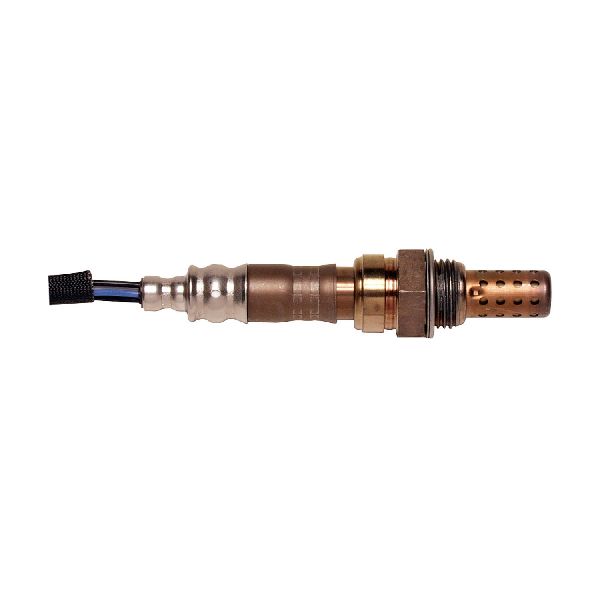
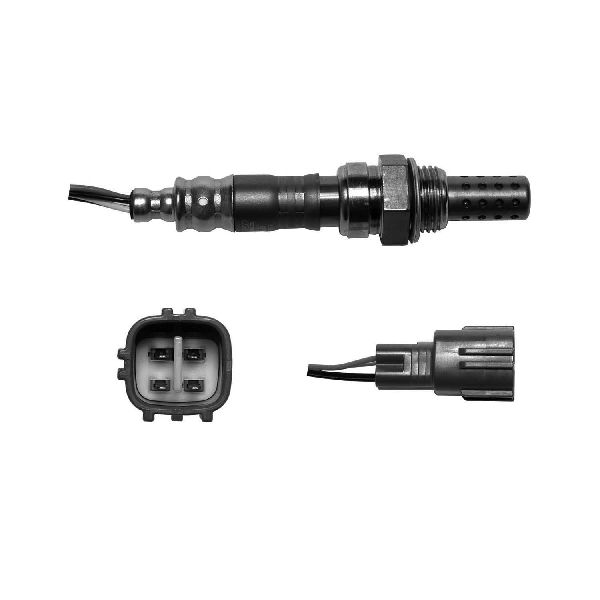
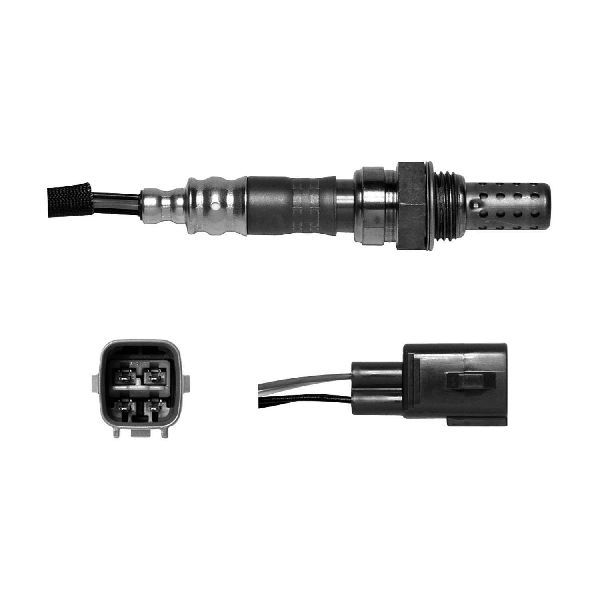
OEM Part Numbers: 89467-35110 89467-60060 89465-35670 89465-35680
The 4.0L 1GR-FE engine uses four-wire heated oxygen sensors. Upstream sensors are Air/Fuel Ratio type, while downstream are standard Oxygen sensors. A 22mm slotted socket is required for removal and installation.
We Have This Part in Stock


The information in this article is provided for general reference and educational purposes only. Vehicle specifications, procedures, and part compatibility can vary by production date, trim level, and region. Always consult your vehicle's factory service manual and verify part numbers before purchasing or performing repairs. Safety-critical components such as airbags, seat belts, and braking systems should be installed by a qualified professional.
- Toyota FJ Cruiser: