

A Guide to Replacing the Oxygen Sensor on Your 2007-2014 Hyundai Sonata
Understand the symptoms of a failing oxygen sensor and learn how to choose the right aftermarket replacement for your Sonata.
- A Check Engine Light, poor gas mileage, and a rough idle are top signs of a failing O2 sensor.
- Ignoring a bad sensor can damage your catalytic converter, a much more expensive part to replace.
- Choose OEM-equivalent brands like Denso or NGK for the best results; they are often the original factory parts.
- Verify your engine (2.4L or 3.3L V6) and sensor location (upstream/downstream) before buying, as parts differ.
Is Your Sonata's Oxygen Sensor Failing?

A bad oxygen sensor won't typically leave you stranded, but it will cause noticeable problems. Ignoring these signs can lead to more expensive repairs down the road, like a damaged catalytic converter. If you notice any of the following, it might be time to check your O2 sensors.
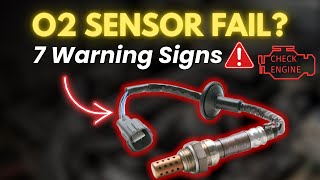
🎬 Watch: 7 common symptoms of a bad oxygen sensorKey Symptoms:
- Check Engine Light: This is the most common sign. A diagnostic code scanner can confirm if the light is due to an O2 sensor, with common codes being in the P0130-P0167 range.
- Worse Gas Mileage: One of the first things you'll notice is more frequent trips to the gas station. A bad sensor can cause the engine to use more fuel than necessary.
- Rough Idle or Stalling: Your Sonata may shake or idle unevenly at stoplights. In some cases, the engine might stall.
- Sluggish Performance: You might feel a loss of power or slow acceleration when you press the gas pedal.
- Bad Smells or Smoke: A strong smell of rotten eggs or seeing black smoke from the tailpipe means excess fuel is being burned, a common result of a failed sensor.
Choosing the Right Aftermarket Oxygen Sensor

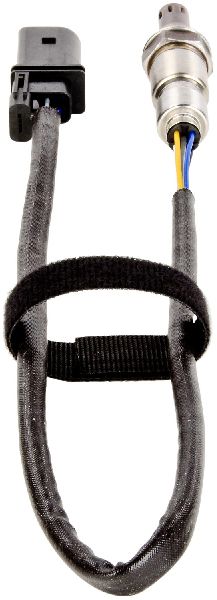
Not all aftermarket sensors are created equal. For a critical part like this, quality matters. The 2007-2014 Hyundai Sonata was available with a 2.4L 4-cylinder engine (two O2 sensors) or a 3.3L V6 engine (four O2 sensors). Always verify the sensor's position (e.g., upstream/downstream, front/rear) before purchasing.
Brand Quality Tiers
When shopping for a replacement, consider these brand tiers:
- OEM-Equivalent Brands (Best Quality): Denso and NGK (NTK) are often the original equipment manufacturers for Hyundai. Choosing one of these brands gives you the highest confidence in fit, performance, and longevity. They are designed to meet the exact specifications of your Sonata.
- Top-Tier Aftermarket Brands (Good Quality): Brands like Bosch and Delphi are reputable, global manufacturers that produce high-quality sensors. They offer a reliable alternative to OEM parts and are known for good performance, though some owners prefer to stick with Denso or NGK for Asian vehicles.
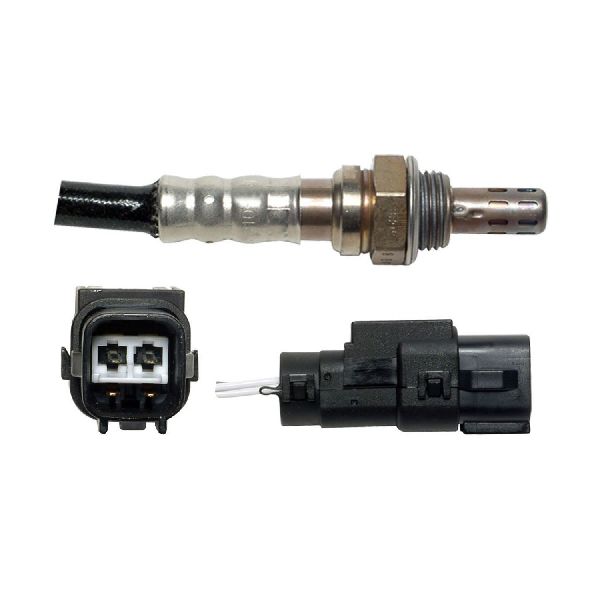
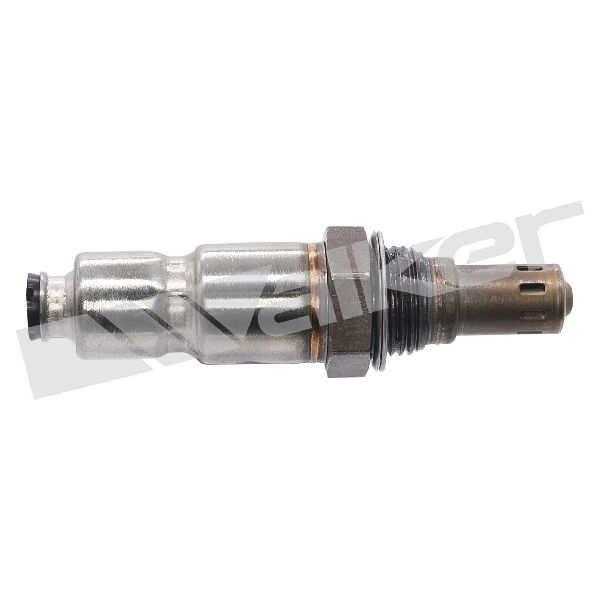
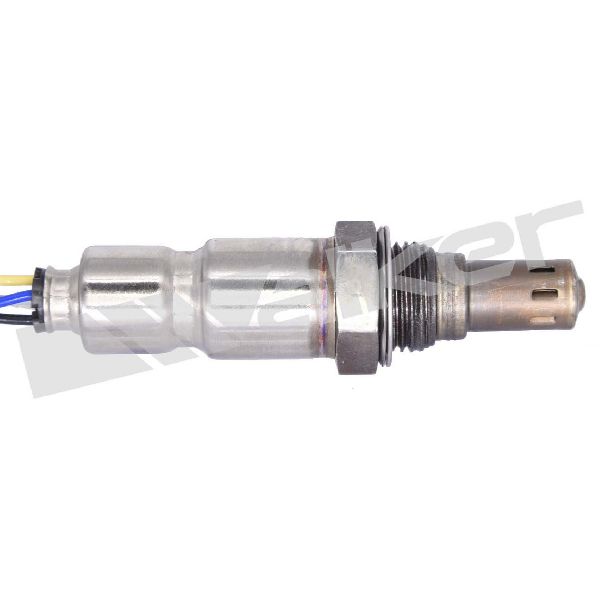
- Standard Aftermarket & Budget Brands (Standard Quality): Brands such as Walker Products, Spectra, and DriveWire offer a more budget-friendly option. They can be a good choice if cost is a major concern, but may not offer the same longevity or precise calibration as the top-tier brands.
Understanding Replacement Costs
The cost to replace an oxygen sensor in your Sonata depends on the brand you choose and whether you do the work yourself or hire a professional.
| Part / Service | Estimated Cost |
|---|---|
| New Aftermarket Oxygen Sensor | $39 - $218 |
| New OEM Oxygen Sensor | $150 - $260 |
| Shop Labor | $80 - $150 (per sensor) |
Cost estimates are approximate and can vary by location and specific vehicle configuration.
Frequently Asked Questions


How many oxygen sensors does my 2007-2014 Sonata have?
It depends on your engine. The 2.4L 4-cylinder engine has two oxygen sensors: one upstream (before the catalytic converter) and one downstream (after the catalytic converter). The 3.3L V6 engine has four oxygen sensors: two upstream and two downstream, one for each cylinder bank.
🎬 See this video for all V6 oxygen sensor locationsWhat tools do I need to replace an O2 sensor?
You will need a special 22mm (or 7/8 inch) oxygen sensor socket, which has a slit on the side for the wire to pass through. You'll also need a ratchet, possibly with an extension. Applying a small amount of anti-seize compound to the threads of the new sensor is also highly recommended. Do not get any anti-seize on the sensor tip.
Is it hard to replace a Sonata's oxygen sensor?
For a DIYer with some experience, it's a manageable job. The main challenges are accessing the sensor (some can be in tight spots) and removing the old one if it's seized in the exhaust pipe. Always work on a cool engine to avoid burns.
What's the difference between an upstream and downstream sensor?
The upstream sensor (Bank 1, Sensor 1 or Bank 2, Sensor 1) is located before the catalytic converter and is crucial for managing the engine's air-fuel mixture. The downstream sensor (Bank 1, Sensor 2 or Bank 2, Sensor 2) is located after the catalytic converter and its main job is to monitor the converter's efficiency.
Are there any recalls for the 2007-2014 Sonata oxygen sensor?
Based on searches of the National Highway Traffic Safety Administration (NHTSA) database and other public records, there are no widespread recalls specifically for oxygen sensor failure on the 2007-2014 Hyundai Sonata.
Helpful Videos
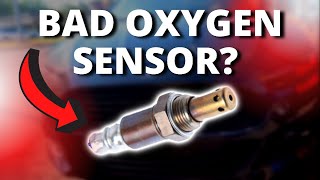
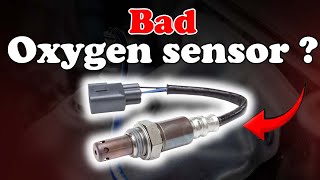
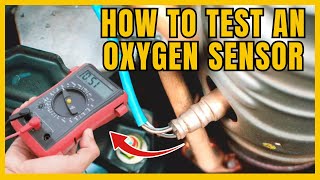
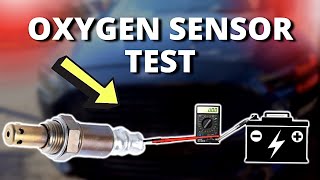
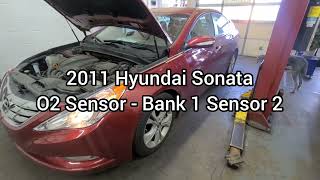
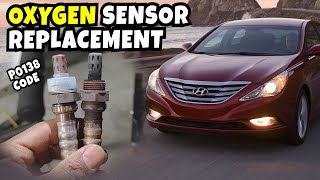
Technical Specifications
OEM Part Numbers: 39210-37165 39210-37160 39210-35121 39210-2G560 39210-2G100 39210-2G240
Number of sensors varies by engine: two for the 2.4L I4 and four for the 3.3L V6. A 22mm (7/8") oxygen sensor socket is required for removal and installation.
We Have This Part in Stock


The information in this article is provided for general reference and educational purposes only. Vehicle specifications, procedures, and part compatibility can vary by production date, trim level, and region. Always consult your vehicle's factory service manual and verify part numbers before purchasing or performing repairs. Safety-critical components such as airbags, seat belts, and braking systems should be installed by a qualified professional.
- Hyundai Sonata: