

Hyundai Sonata Crankshaft Position Sensor Guide for 2007-2014 Models
Experiencing stalling or starting problems with your Sonata? This guide explains common issues with the crankshaft position sensor.
- Sudden stalling and no-start conditions are the most critical symptoms of a failing crankshaft sensor.
- For 2011-2014 models, check for outstanding engine recalls related to stalling before paying for a sensor replacement.
- Replacement is a manageable DIY job for many, but sensor location varies by engine and year, so confirm first.
- Choosing a quality aftermarket brand like Delphi or Beck Arnley can offer reliability without the high cost of an OEM part.
Is Your Sonata Stalling? What You Need to Know

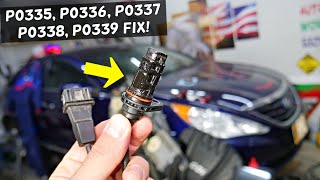
If your 2007-2014 Hyundai Sonata suddenly stalls, has trouble starting, or runs rough, a failing crankshaft position sensor is a likely suspect. This sensor is essential for engine operation, and when it fails, it can cause significant and sometimes dangerous problems. The most common diagnostic trouble code associated with a failure is P0335.
First: Check for Engine Recalls
Before replacing this sensor for a stalling issue, be aware that Hyundai issued major engine recalls for 2011-2014 Sonatas related to premature connecting rod bearing wear. A primary symptom of this defect is engine stalling, which can be mistaken for a bad crankshaft sensor. These recalls could lead to a free engine inspection and replacement by a Hyundai dealer. Always check if your vehicle's VIN is part of these safety campaigns before spending money on repairs.
Common Symptoms of a Bad Crankshaft Sensor

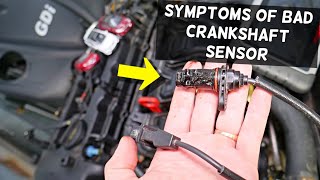
- Engine Stalling: The engine may shut off unexpectedly while driving, sometimes after it has warmed up.
- Difficulty Starting or No Start: The engine may crank for a long time before starting, or it may not start at all.
- Rough Idle and Misfires: The car may shake or vibrate at a stop, and the engine may misfire.
- Poor Acceleration: You might notice a lack of power or hesitation when you press the gas pedal.
- Check Engine Light: A failing sensor will almost always trigger the check engine light.
Choosing the Right Aftermarket Sensor

For a critical component like this, part quality matters. While an OEM sensor from Hyundai is always a safe bet, several aftermarket brands offer a good balance of quality and value. They can be grouped into tiers based on reputation and manufacturing standards.
Brand Quality Tiers
- Premium Aftermarket (OEM-Tier): Brands like Delphi, Beck Arnley, and NGK (NTK) are often original equipment suppliers to many car manufacturers. They are known for high-quality materials and rigorous testing, making them a reliable choice that is often less expensive than the dealer part.
- Standard Aftermarket: This tier includes well-known brands like Standard Ignition (SMP), Dorman, Holstein, and Walker Products. These parts are widely available and are generally a dependable option for the price. While many have good experiences, quality can sometimes be inconsistent compared to premium brands.
- Value Brands: Brands such as Prenco, True Tech, and Global Parts typically offer the lowest price. They can be a good choice for a budget-conscious repair, but may not have the same long-term durability as higher-priced options.
Typical Replacement Costs
The cost to replace the crankshaft position sensor can vary depending on the part brand you choose and local labor rates.
| Part/Service | Estimated Cost |
|---|---|
| New Aftermarket Part | $27 - $91 |
| New OEM Part | $94 - $254 |
| Shop Labor | $75 - $140 |
| Total Estimated Cost (Aftermarket) | $102 - $231 |
Installation Tips
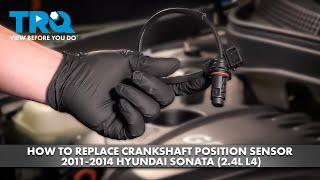
The sensor's location depends on your Sonata's engine. For most 2011-2014 models with the 2.4L engine, the sensor is on the back of the engine block, near the transmission. It is held in by a single 10mm bolt but can be hard to reach. For some earlier 2007-2010 2.4L models, the sensor is located behind the timing belt cover, which is a much more difficult job. For V6 models, it is also typically on the rear of the engine block. Access is often tight, and a heat shield held by two 10mm bolts may need to be removed first.
Frequently Asked Questions

Where is the crankshaft position sensor located on a 2007-2014 Sonata?
For the 2011-2014 Sonata with the 2.4L engine, it's typically on the rear of the engine block, accessible from underneath or the side. For the 2007-2010 V6, it's in a similar rear-engine location. Some early 4-cylinder models (closer to 2007) may have it behind the timing cover, which is a much more involved replacement. Always verify the location for your specific engine before starting.
Can I drive my Sonata with a bad crankshaft position sensor?
It is not recommended. A failing sensor can cause the engine to stall at any time, including at high speeds or in traffic, which is a serious safety hazard. It's best to get the vehicle repaired as soon as possible.
Do I need to reset the computer after replacing the sensor?
It's a good practice to clear the trouble codes with an OBD-II scanner after the replacement. You can also disconnect the negative battery terminal for about 10 minutes to reset the system. This ensures the check engine light goes off and the computer relearns with the new sensor signal.
Could my stalling problem be something other than the sensor?
Yes. As mentioned, check for the major engine recalls first on 2011-2014 models. Other potential causes for stalling include a faulty fuel pump, a dirty idle air control valve, or issues with the transmission's torque converter. However, if you have a P0335 trouble code, the crankshaft sensor circuit is the most likely culprit.
Helpful Videos
Technical Specifications
OEM Part Numbers: 39180-2G000 39180-25300 39180-25200 39180-3C100
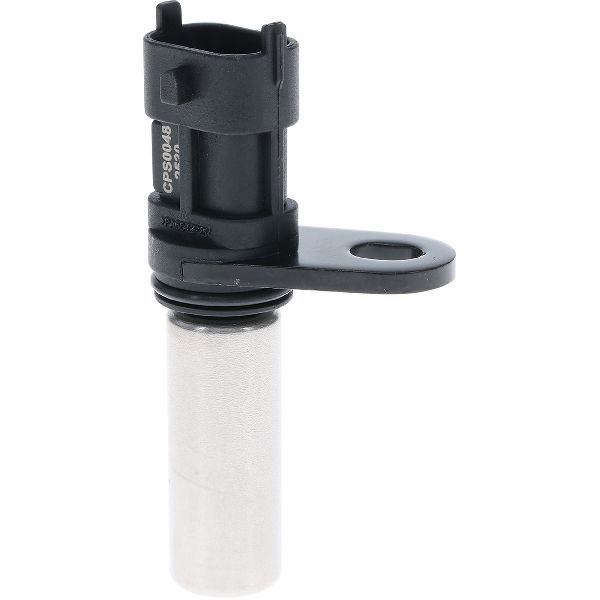
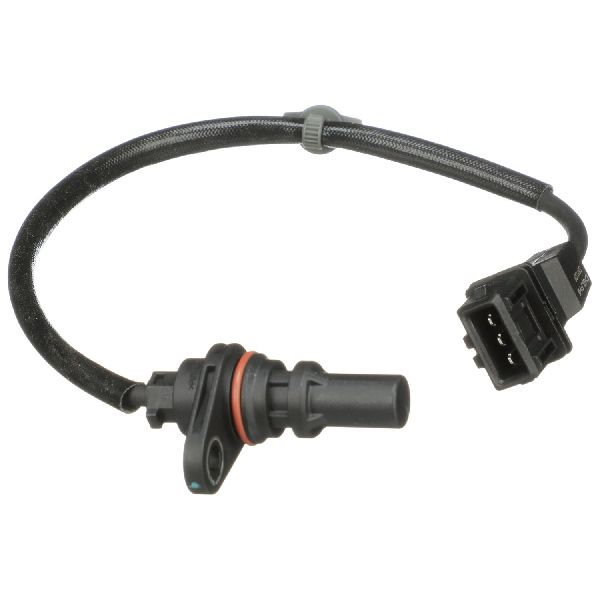
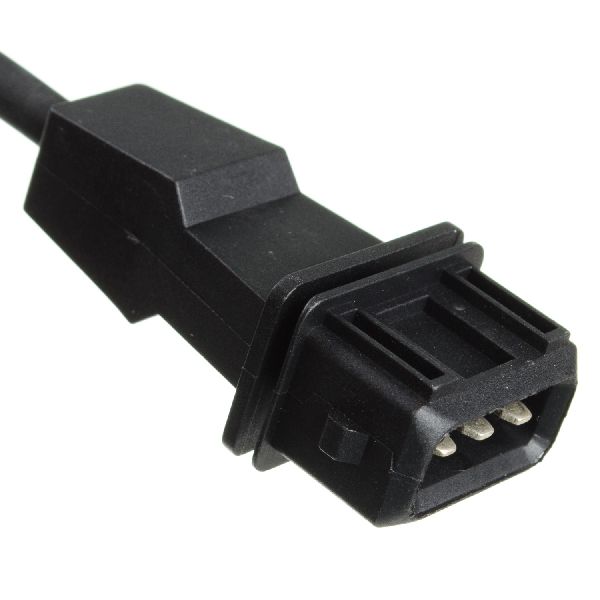
The sensor is a Hall effect type with a 3-pin electrical connector. It is typically mounted on the engine block with a single 10mm bolt.
We Have This Part in Stock


The information in this article is provided for general reference and educational purposes only. Vehicle specifications, procedures, and part compatibility can vary by production date, trim level, and region. Always consult your vehicle's factory service manual and verify part numbers before purchasing or performing repairs. Safety-critical components such as airbags, seat belts, and braking systems should be installed by a qualified professional.
- Hyundai Sonata: