

A Ford Edge Owner's Guide to Catalytic Converter Replacement (2007-2014)
Sluggish performance or a check engine light on your Ford Edge could mean it's time for a new catalytic converter.
- Always diagnose and fix the root cause of the failure (like misfires or bad O2 sensors) before replacing the converter.
- Choose a direct-fit aftermarket converter from a reputable brand like MagnaFlow or Walker for easier installation and better reliability.
- Replacing oxygen sensors at the same time is highly recommended to ensure the entire emissions system functions correctly.
- The most common codes associated with converter failure are P0420 and P0430.
Is Your Ford Edge's Catalytic Converter Failing?

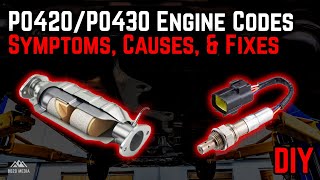
When a catalytic converter starts to go bad on your 2007-2014 Ford Edge, the signs can range from subtle to severe. Ignoring them can lead to bigger engine problems down the road. The most common clue is a check engine light with diagnostic trouble codes (DTCs) P0420 or P0430, which point to "catalyst system efficiency below threshold. 🎬 Watch: A mechanic explains what P0420 and P0430 codes really mean." This means the converter is no longer cleaning the exhaust effectively.
Common Failure Symptoms:
- Check Engine Light: The most frequent sign, often with codes P0420 (Bank 1) or P0430 (Bank 2).
- Reduced Engine Power: A clogged converter creates backpressure, which can make your Edge feel sluggish and slow to accelerate.
- Poor Fuel Economy: When the engine can't breathe properly due to a clogged exhaust, it burns more fuel.
- Rotten Egg Smell: A sulfur-like smell from the exhaust indicates that the converter isn't properly processing the gases.
- Rattling Noises: The internal honeycomb structure can break apart over time, causing a rattling sound from underneath the vehicle.
Always Find the Root Cause
Catalytic converters usually don't fail on their own. They fail because of another problem. Common causes include engine misfires, leaking fuel injectors, or burning oil/coolant, which send unburned fuel or contaminants into the exhaust and damage the converter. One Ford Edge owner noted that using the wrong spark plugs led to converter failure codes. Always diagnose and fix the underlying issue before installing a new converter, or the new part will likely fail quickly.
Choosing the Right Aftermarket Converter for Your Edge

When replacing the converter on your Ford Edge, you don't have to buy an expensive OEM part from the dealer. Aftermarket brands offer a range of options, but quality can vary. They are generally categorized as direct-fit or universal.
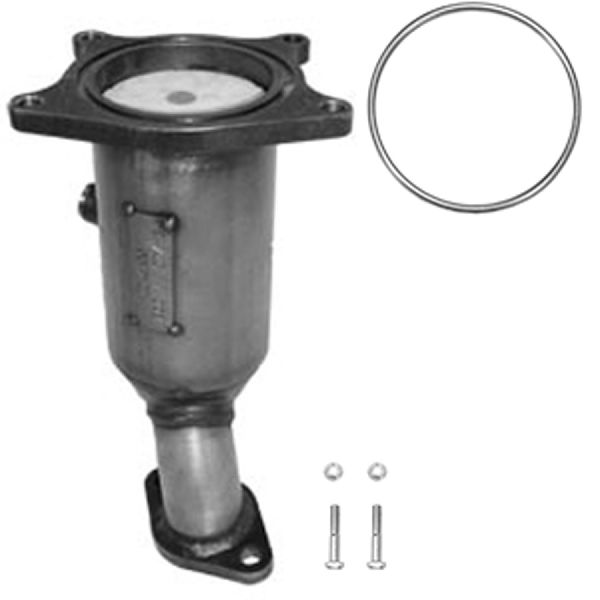
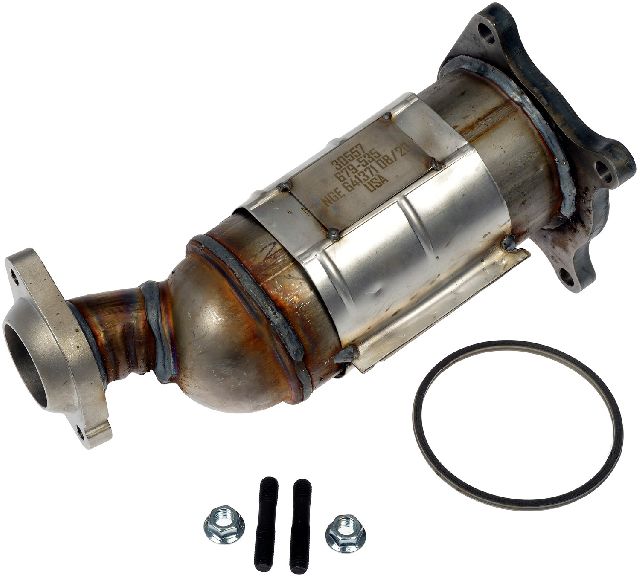
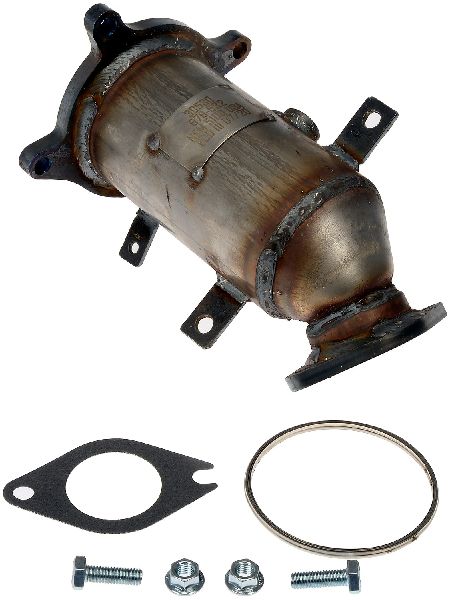
- Direct-Fit Converters: These are designed to be a bolt-on replacement for the factory part, with no welding or cutting required. This makes installation much easier and is the recommended choice for most DIYers and shops. 🎬 See this walkthrough for removing the rear catalytic converter.
- Universal Converters: These are cheaper but require cutting the old converter out and welding or clamping the new one into place. This adds complexity and potential for exhaust leaks if not done perfectly.
Aftermarket Brand Tiers
Based on mechanic recommendations and owner experiences, aftermarket brands can be grouped by quality and price.
- Premium (MagnaFlow, Walker): These brands are well-regarded by mechanics for their quality construction and reliability. They use durable materials like stainless steel and are designed to meet EPA standards and keep the check engine light off. They offer a good balance of quality and value compared to OEM.
- Mid-Grade (Dorman, AP Exhaust, Eastern Catalytic): These brands provide a more budget-friendly, direct-fit solution. Dorman is known for often including necessary gaskets and hardware. While generally reliable for daily driving, their longevity might not match premium brands.
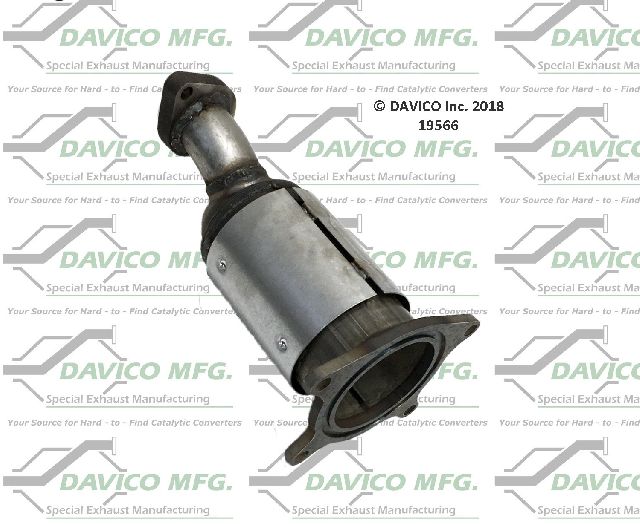
- Economy (Davico, various online brands): These are the most affordable options but come with risks. Fitment can be inconsistent, sometimes requiring modification to install. While they can work, especially for older vehicles, there's a higher chance of them triggering a P0420/P0430 code or failing emissions tests sooner than higher-quality parts.
| Part Type | Estimated Cost |
|---|---|
| New OEM | $1000 - $2000+ |
| New Aftermarket | $214.80 - $588.96 |
| Shop Labor | $150 - $300 |
Frequently Asked Questions

Do I need to replace my oxygen sensors with the catalytic converter?
It's a very good idea. Oxygen sensors are crucial for the emissions system and have a similar lifespan to the converter. A failing sensor can even be the root cause of a P0420 code. Replacing them at the same time ensures the whole system is working correctly and can prevent future problems.
Will an aftermarket converter cause a check engine light?
It can, but it's less likely if you use a quality brand like MagnaFlow or Walker. Cheaper converters may have less of the precious metals needed for the chemical reaction, which the car's computer can detect, triggering an efficiency code. Ensure the part you buy is at least EPA-compliant for your vehicle.
Are there any recalls for the 2007-2014 Ford Edge catalytic converter?
Searches of the NHTSA database and other sources did not find any specific recalls for catalytic converter failure on the 2007-2014 Ford Edge. There are some Technical Service Bulletins (TSBs) for other models regarding P0420/P0430 codes, which sometimes suggest a de-sulfating procedure before replacement, but none were specific to this Edge generation.
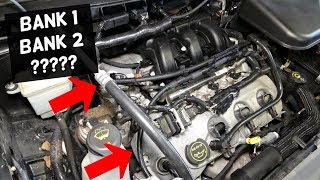
What's the difference between Bank 1 and Bank 2?
On the V6 engine in your Ford Edge, Bank 1 refers to the side of the engine where cylinder #1 is located (typically the rear, firewall side). Bank 2 is the opposite bank (front, radiator side). Code P0420 corresponds to Bank 1, and P0430 corresponds to Bank 2.
🎬 Watch: How to identify Bank 1 and Bank 2 on your Edge.Helpful Videos
Technical Specifications
For the 2007-2014 Ford Edge with the 3.5L V6 engine, the exhaust system uses multiple catalytic converters, typically one integrated with each exhaust manifold (firewall and radiator side) and sometimes a third downstream. Aftermarket replacements are available as direct-fit, bolt-on units. Ensure any replacement is at least EPA-compliant for your vehicle's model year.
We Have This Part in Stock
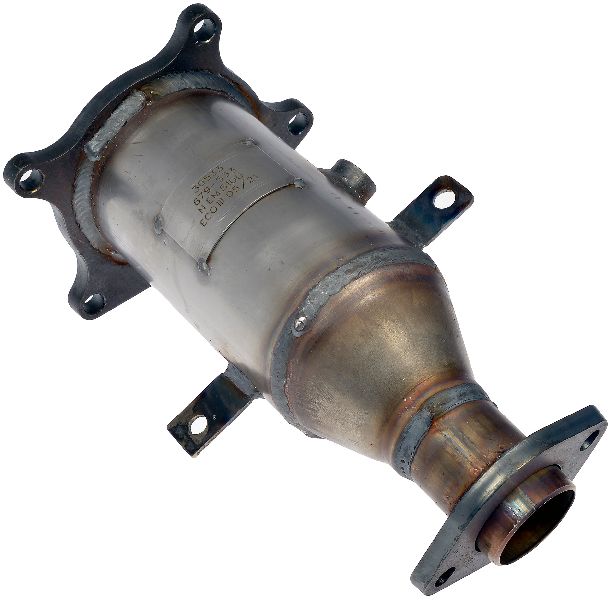
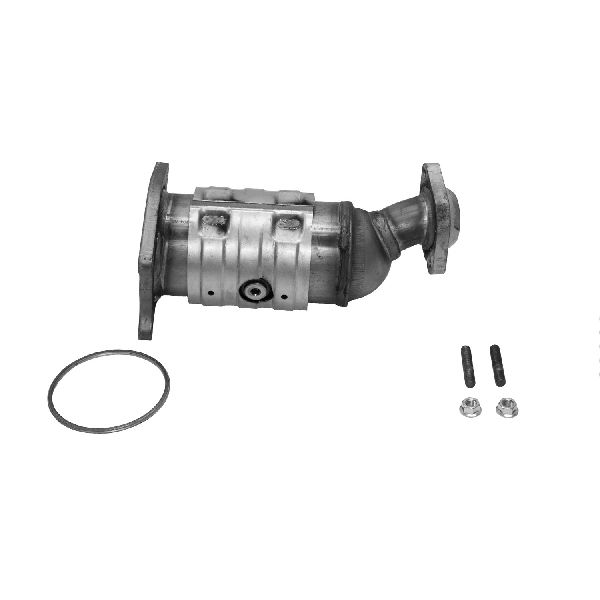

The information in this article is provided for general reference and educational purposes only. Vehicle specifications, procedures, and part compatibility can vary by production date, trim level, and region. Always consult your vehicle's factory service manual and verify part numbers before purchasing or performing repairs. Safety-critical components such as airbags, seat belts, and braking systems should be installed by a qualified professional.
- Ford Edge: