

Dodge Avenger Crankshaft Position Sensor Guide (2007-2014)
Fix stalling, no-start, and rough idling issues on your 2007-2014 Dodge Avenger by understanding this critical engine sensor.
- A failing sensor is a common cause of stalling and no-start issues in the 2007-2014 Avenger.
- The primary trouble code is P0335; get your codes checked if you have symptoms.
- The sensor is located underneath the car on the passenger side, above the axle. Access is tight but replacement is possible for a DIYer.
- For reliability, choose high-quality aftermarket brands like Delphi or NGK/NTK, which are often OEM-equivalent.
Symptoms of a Failing Crankshaft Sensor in a Dodge Avenger

When the crankshaft position sensor on your 2007-2014 Avenger starts to fail, it can cause several noticeable problems. Because the sensor is so important for engine timing, a bad signal can leave you stranded. Here are the most common signs:
- Engine Will Not Start: The most severe symptom. The engine will crank over, but it won't fire up because the PCM doesn't know when to send spark and fuel. You may also notice the RPM gauge shows zero while cranking.
- Intermittent Stalling: The engine may suddenly shut off while you are driving, sometimes for no apparent reason. This can be extremely dangerous, especially in traffic. Often, the car may restart after cooling down for 20-30 minutes.
- Rough Idle and Misfires: Your Avenger may idle poorly, shake, or vibrate. An erratic sensor signal can cause the engine to misfire. This can also trigger a P0300 (Random/Multiple Misfire) code along with the crank sensor code.
- Check Engine Light: A failing crankshaft position sensor will almost always trigger the Check Engine Light. The most common trouble code is P0335, which points directly to a problem in the crankshaft position sensor circuit.
- Poor Acceleration: You might notice a lack of power or hesitation when you press the gas pedal.
P0335: The Main Trouble Code
If your check engine light is on, get the codes read. A P0335 code means the computer has lost the signal from the crankshaft position sensor. While the issue could be wiring, it most often points to a failed sensor that needs replacement.
Choosing the Right Aftermarket Crankshaft Sensor

When it comes to engine sensors, quality matters. A cheap, poorly made sensor can fail quickly or be dead on arrival, forcing you to do the job twice. For a critical part like this that can leave you stranded, it's best to avoid the cheapest options. Here's a breakdown of aftermarket brand quality:
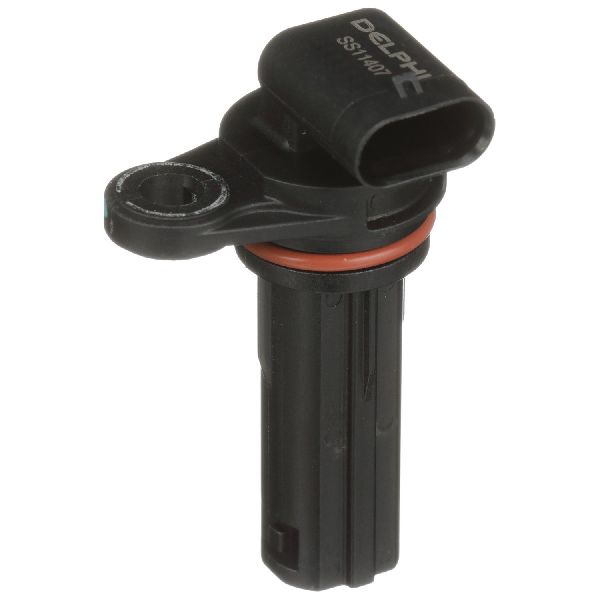
- OEM-Equivalent Brands (Highest Quality): Brands like Delphi and NGK (NTK) are often original equipment manufacturers for many car brands. They are known for their reliability and are considered a safe bet for a quality replacement that performs like the original Mopar part.
- Reputable Aftermarket Brands (Good Quality): Brands like Standard Ignition (SMP), Walker Products, and Hitachi offer a good balance of quality and price. They are generally reliable and a solid choice for most repairs.
- Value-Oriented Brands (Use with Caution): Brands like Dorman, Holstein, and other lesser-known names can be hit or miss. While they offer a lower price, forum discussions often show mixed reviews for electronic parts. For a part this critical, it's often worth spending a little more for a brand with a better reputation.
OEM vs. Aftermarket for Your Avenger
For many sensors on Chrysler vehicles, using an OEM (Mopar) part is recommended for best results. However, high-quality aftermarket brands like NGK/NTK are often the actual manufacturer for the Mopar part, just sold in a different box. Choosing one of these top-tier aftermarket brands can give you OEM quality without the dealership price tag.
Cost of Replacing the Crankshaft Position Sensor
The cost can vary based on who does the work. It's a relatively inexpensive part, but labor can add up if you take it to a shop.
| Item | Estimated Cost |
|---|---|
| New OEM (Mopar) Part | $50 - $90 |
| New Aftermarket Part | $17 - $60 |
| Shop Labor | $98 - $144 |
| Total Professional Replacement | $132 - $178 |
Frequently Asked Questions (FAQ)

Where is the crankshaft position sensor located on the 2007-2014 Dodge Avenger?
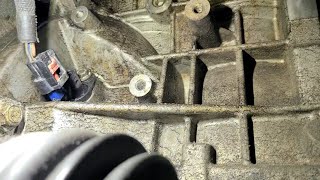
The location is the same for the 2.4L, 3.5L, and 3.6L engines. It is on the back of the engine block, on the passenger side, near where the engine and transmission meet. You will need to access it from underneath the car. It is located just above the passenger side CV axle. On the 2.4L engine, there is often a small heat shield held on by two bolts (10mm and 13mm) that must be removed first to access the sensor.
Can I replace the Avenger's crankshaft sensor myself?
Yes, this is a DIY-feasible job for someone with basic mechanical skills. The main challenge is the tight location. You will need to safely raise the vehicle with a jack and jack stands. The sensor is held in by a single 10mm bolt. The most difficult part is often reaching the sensor and its heat shield around the axle and exhaust.
Are there any recalls for the crankshaft position sensor on the Dodge Avenger?
There are no direct recalls for the crankshaft position sensor itself on the 2007-2014 Dodge Avenger. However, there have been recalls on other Chrysler vehicles for related issues like the crankshaft tone wheel or sensor wiring harnesses, which can cause similar stalling symptoms. A search on the NHTSA website shows no open recalls specifically for this part on the Avenger.
What happens if I don't replace a bad crankshaft sensor?
Ignoring a failing crankshaft sensor is not recommended. The intermittent stalling can become a permanent no-start condition, leaving you stranded. More importantly, an engine stall while driving is a serious safety hazard that can increase the risk of a crash.
Helpful Videos

Technical Specifications
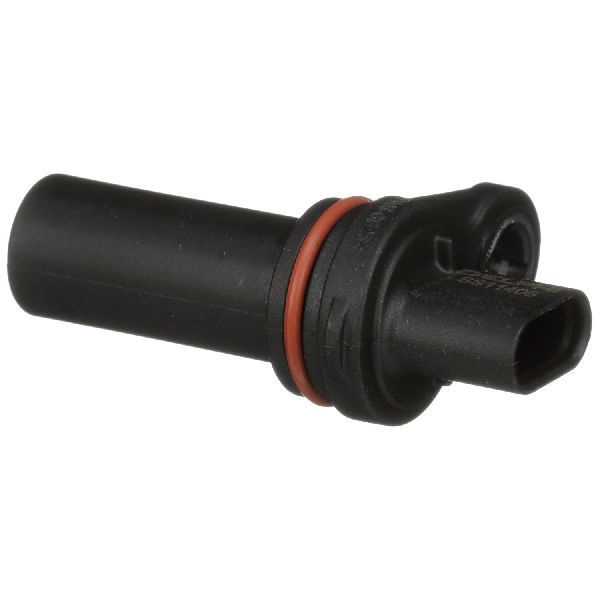
OEM Part Numbers: 05033307AC
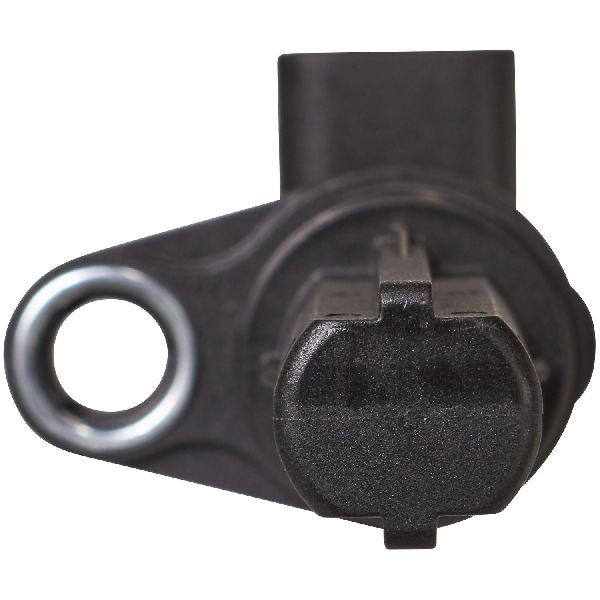
The sensor is a 3-pin hall-effect sensor that reads the crankshaft's position via a reluctor wheel. It is secured by one 10mm bolt.
We Have This Part in Stock


The information in this article is provided for general reference and educational purposes only. Vehicle specifications, procedures, and part compatibility can vary by production date, trim level, and region. Always consult your vehicle's factory service manual and verify part numbers before purchasing or performing repairs. Safety-critical components such as airbags, seat belts, and braking systems should be installed by a qualified professional.
- Dodge Avenger: