

A Practical Guide to the Engine Coolant Temperature Sensor for the 2007-2013 Volkswagen Passat
If your Passat's temperature gauge is acting up or your fuel economy has dropped, your engine coolant temperature sensor might be the culprit.
- A failing ECT sensor commonly causes a Check Engine Light, poor fuel economy, and an erratic temperature gauge.
- This is a DIY-friendly repair that can be done in under an hour with basic tools.
- Choose a quality aftermarket brand like Hella, Delphi, or Vemo; avoid the cheapest options which may have fitment issues.
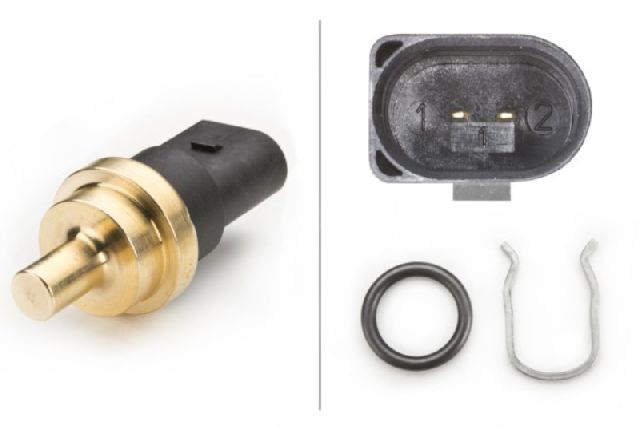
- Always replace the O-ring and retaining clip along with the sensor to prevent leaks.
Is Your Passat's Coolant Temp Sensor Failing?

A bad Engine Coolant Temperature (ECT) sensor can cause a surprising number of issues with your 2007-2013 Volkswagen Passat. Because the sensor's readings affect so many engine functions, a failure can mimic other, more serious problems. Before you suspect a major repair, check for these common symptoms.
Key Failure Symptoms:
- Check Engine Light: This is often the first sign. The sensor may trigger codes like P0118 (circuit high), P0117 (circuit low), or P0128 (coolant temperature below regulating temperature).
- Engine Overheating: If the sensor fails to tell the ECU the engine is hot, the cooling fans won't turn on when needed. This can lead to dangerous overheating.
- Poor Fuel Economy: A faulty sensor can incorrectly tell the ECU the engine is cold. The computer then injects extra fuel, causing the engine to "run rich" and waste gas.
- Black Smoke from Exhaust: This is a direct result of the engine running too rich with fuel.
- Erratic Temperature Gauge: The needle on your dashboard's temperature gauge may swing back and forth, read very high or very low, or not move at all.
- Cooling Fans Run Constantly: The sensor can also fail by sending a permanent "hot" signal, causing the radiator fans to run at full speed even when the engine is cold.
Known Issues & Recalls
Searches of the NHTSA database and technical service bulletins did not show any direct recalls or widespread service campaigns for the engine coolant temperature sensor itself on the 2007-2013 Passat. However, VW has released updated versions of this sensor over the years (often changing from a black or blue color to green), which suggests the original parts had known issues. A recall for 2012-2014 TDI models was for an underbody sensor connector, not the main ECT sensor.
Choosing the Right Aftermarket Sensor

While an OEM sensor from a dealer is an option, many high-quality aftermarket brands provide excellent performance and value. For a critical sensor like this, it's best to avoid the cheapest no-name options, as forum users have reported issues with poor fitment, especially with the included O-rings.
Brand Quality Tiers
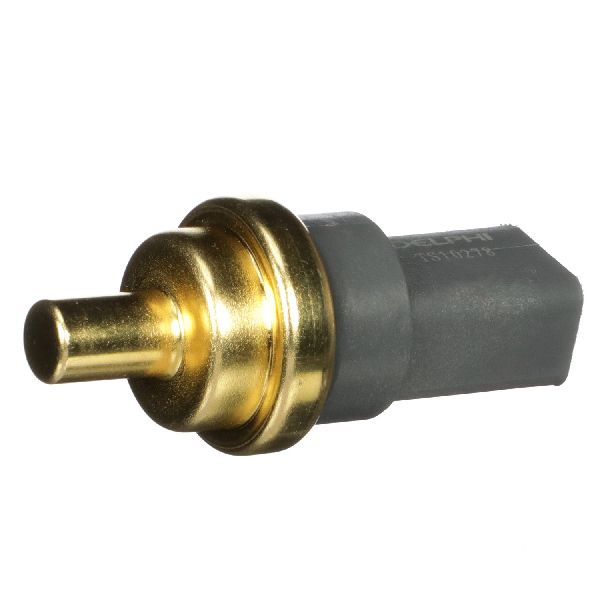
- Top Tier (OEM-Equivalent): Brands like Hella, Delphi, Vemo, and NGK/NTK are often original equipment suppliers to Volkswagen or are known for producing parts that meet or exceed OEM specifications. These are your most reliable choices for a long-lasting repair.
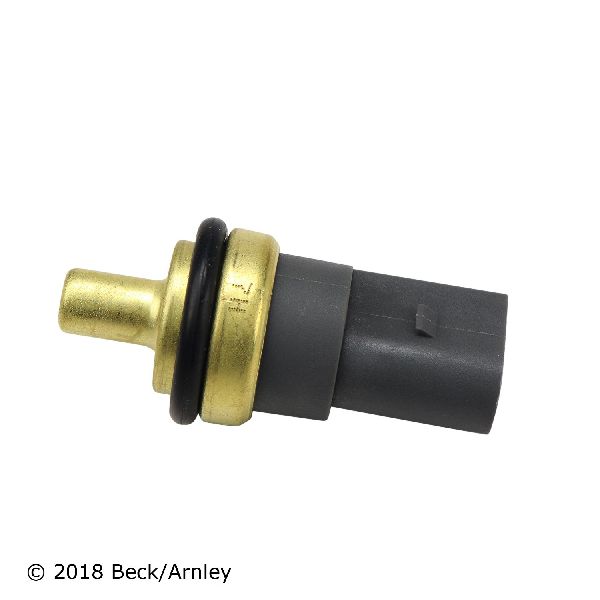
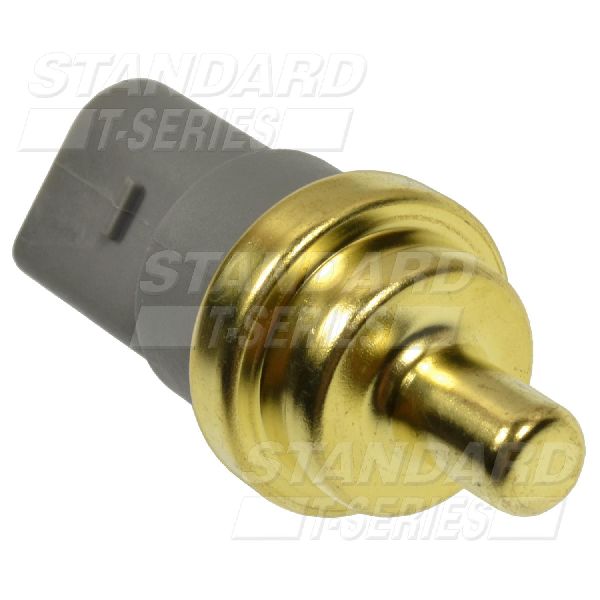
- Mid-Grade (Reliable Replacements): Brands such as Beck Arnley, Standard Ignition (SMP), and Holstein offer a good balance of quality and price. They are trusted in the industry and are a solid choice for most owners.
- Economy (Budget-Friendly): Brands like Four Seasons, Motorad, and True Tech can get the job done at a lower price point. While functional, they may not have the same long-term durability or precise calibration as higher-tier options.
Pro Tip: Always replace the small rubber O-ring and the plastic retaining clip when you replace the sensor. Most quality aftermarket sensors include these in the box. A worn O-ring can cause a coolant leak, and an old clip can become brittle and break.
Typical Replacement Costs
Replacing the ECT sensor is a relatively inexpensive repair. The part itself is affordable, and the labor is straightforward for a mechanic.
| Part/Service | Estimated Cost |
|---|---|
| New Aftermarket Sensor | $13 - $44 |
| New OEM Sensor | $30 - $60 |
| Shop Labor | $100 - $180 |
| Total Professional Repair | $113 - $224 |
Frequently Asked Questions

Where is the coolant temperature sensor located on a 2007-2013 Passat?
The sensor is typically found on a coolant flange or coolant hose on the side or rear of the engine. On the 2.0T engine, for example, it is often in a plastic housing near the cylinder head. Access can be tight, and you may need to remove the engine cover or an intake pipe to reach it.
Can I replace this sensor myself?
Yes, this is a very DIY-friendly job for those with basic tools. The process involves letting the car cool completely, unplugging the sensor, removing a clip, and quickly swapping the old sensor for the new one to minimize coolant loss. There are many video tutorials available online that show the process on similar VW engines.
Do I need to drain all the coolant to replace it?
No, you do not need to perform a full coolant drain. If you are quick, you will only lose a small amount of coolant when you pull the old sensor out. Have the new sensor with its O-ring ready to go. After the job is done, top off the coolant reservoir with the correct G12 or G13 coolant for your vehicle.
What's the difference between the green, black, and blue sensors?
Over the years, Volkswagen updated the design of this sensor. The original sensors were often black or blue and were later superseded by an improved green or grey sensor. If your car has an older color, you should replace it with the newest available version to ensure reliability.
Helpful Videos
Technical Specifications
OEM Part Numbers: 06A919501A 059919501A 078919501C
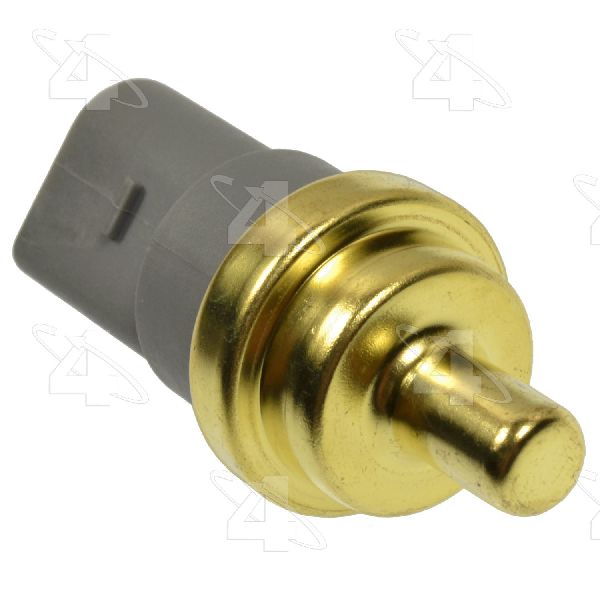
The sensor is typically a 2-pin or 4-pin design that uses a clip-in style fitment into a coolant flange or hose. The correct part may be black, blue, green, or grey; the green and grey are typically the updated, more reliable versions.
We Have This Part in Stock


The information in this article is provided for general reference and educational purposes only. Vehicle specifications, procedures, and part compatibility can vary by production date, trim level, and region. Always consult your vehicle's factory service manual and verify part numbers before purchasing or performing repairs. Safety-critical components such as airbags, seat belts, and braking systems should be installed by a qualified professional.
- Volkswagen Passat: