

A Practical Guide to Replacing Oxygen Sensors on a 2007-2013 Honda Accord
Getting a check engine light or bad gas mileage? Your Accord's oxygen sensor is a likely culprit and a straightforward fix.
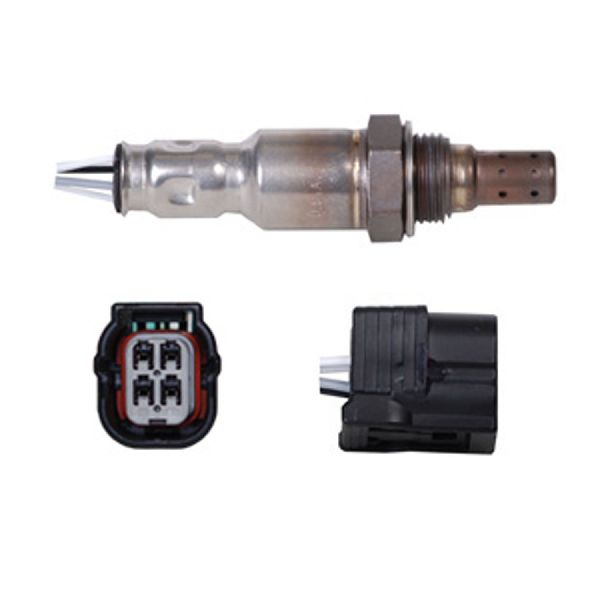
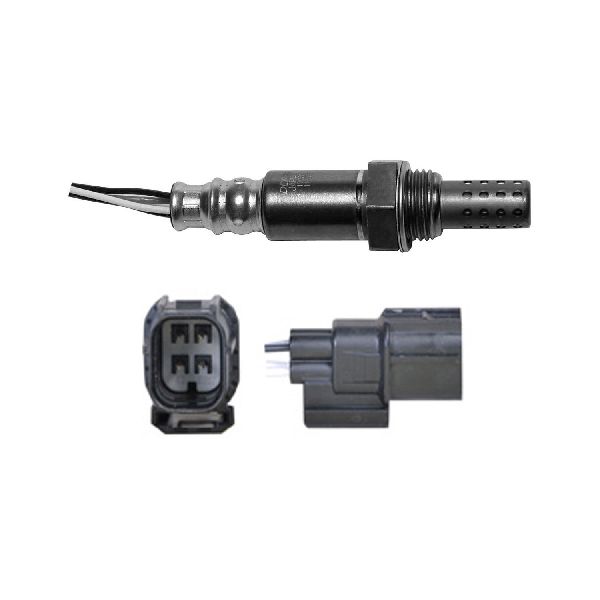
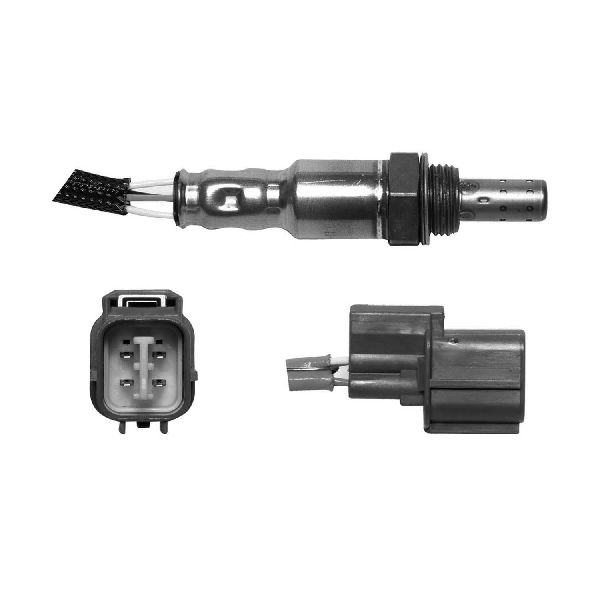
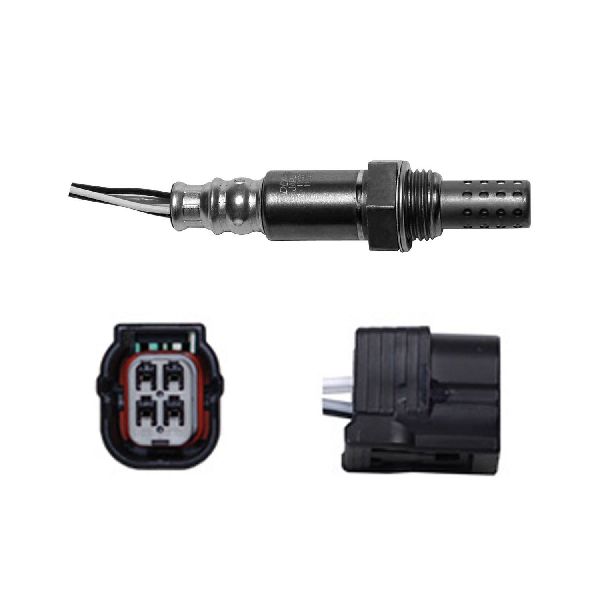
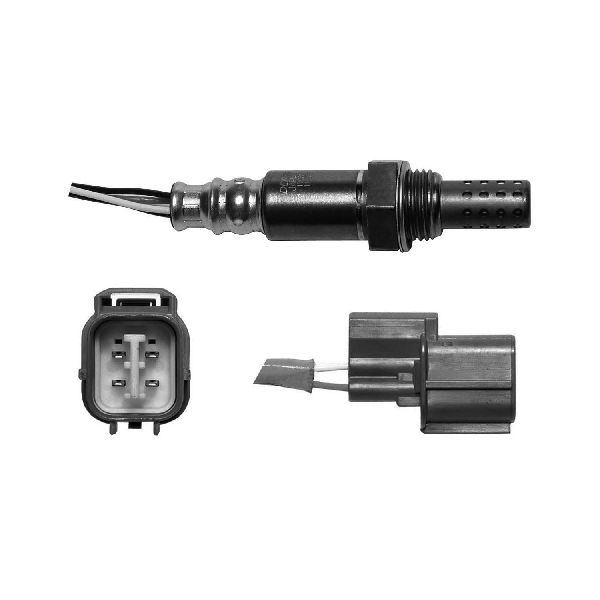
- For best results and to avoid compatibility issues, choose a direct-fit oxygen sensor from Denso or NGK (NTK), as they are the OEM suppliers for Honda.
- Your Accord has at least two O2 sensors; use an OBD-II scanner to identify the specific code and confirm which sensor needs replacement before buying.
- A special oxygen sensor socket is highly recommended and makes the job much easier, especially for removing a sensor that is tight or in an awkward spot.
- If you own a 2007 4-cylinder model and get a P1172 or P2A00 code, be aware of the TSB that requires a computer update in addition to sensor replacement.
Is Your Accord's Oxygen Sensor Failing?

When an oxygen sensor starts to go bad, your car will usually let you know. Because this sensor is critical for fuel management and emissions, a failure can cause noticeable problems. Ignoring them can lead to more expensive repairs down the road, like a damaged catalytic converter.
Key Symptoms of a Bad O2 Sensor:
- Check Engine Light: This is the most common sign. The light will turn on when the sensor's readings are out of the normal range. Common codes include P0134, P0135, P0141, and P0420. 🎬 Watch: How to test your sensors and find their locations.
- Worse Gas Mileage: A bad sensor can't provide the right data, often causing the engine to run rich (using too much fuel).
- Rough Engine Performance: You might notice a rough idle, engine hesitation, or misfires as the computer struggles to maintain the correct air-fuel balance.
- Failed Emissions Test: An O2 sensor is a key emissions control device. If it's not working, your Accord will not pass an emissions inspection.
- Rotten Egg Smell: This smell from the exhaust suggests that unburned fuel is overheating and damaging the catalytic converter, a problem often caused by a faulty O2 sensor.
Known Issue: Technical Service Bulletin (TSB) for 2007 Models
Honda released a TSB (07-006) for some 2007 Accords with the 4-cylinder engine. The issue involves moisture in the exhaust damaging the upstream air/fuel sensor during warm-up, triggering codes P1172 or P2A00. The official fix requires replacing the sensor and updating the engine computer's software at a dealership to prevent it from happening again.
Choosing the Right Aftermarket Oxygen Sensor

When it comes to sensors for a Honda, brand choice matters. Hondas can be sensitive to the wrong electronics, leading to persistent check engine lights even with a new part. For a 2007-2013 Accord, sticking with the Original Equipment Manufacturer (OEM) brands is your safest bet.
Brand Quality Tiers
- Tier 1 (OEM Equivalent): Denso & NGK (NTK)
These two brands are the original suppliers for Honda. Choosing a direct-fit sensor from Denso or NGK/NTK is the most reliable option and highly recommended by Honda owners and mechanics. They provide the same performance as the dealer part without the high price tag. - Tier 2 (Reputable Aftermarket): Bosch & Delphi
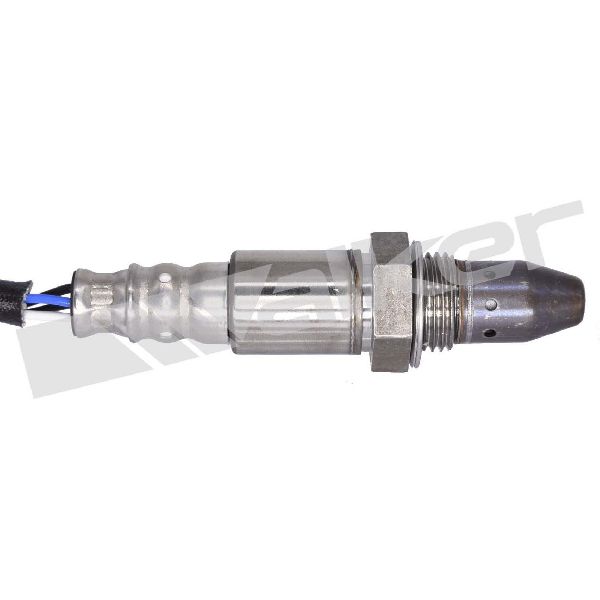
Bosch is a massive parts manufacturer that invented the O2 sensor. However, their parts have a mixed reputation in the Honda community; some work perfectly, while others cause issues. Delphi is also considered a reliable alternative. These are generally good quality but may not be as consistently flawless as Denso or NTK for this specific vehicle. - Tier 3 (Budget-Friendly): Walker Products, DriveWire, Spectra
These brands offer a more affordable price point. Walker Products are a common budget choice, with some users reporting success and others experiencing early failure. For a critical sensor on a sensitive engine, it's often worth spending a little more for a Tier 1 brand to avoid having to do the job twice.
How Much Does an Accord Oxygen Sensor Cost?
The cost depends on the brand you choose, the specific sensor location (upstream sensors are often more expensive), and your engine (V6 models have four sensors). Labor at a repair shop is typically around one hour per sensor.
| Part or Service | Estimated Cost |
|---|---|
| New Aftermarket Sensor | $25 - $335 |
| New OEM (Dealer) Sensor | $150 - $450+ |
| Shop Labor (per sensor) | $100 - $200 |
Frequently Asked Questions (FAQ)

How many oxygen sensors does my 2007-2013 Accord have?
If you have the 2.4L 4-cylinder engine, your car has two sensors: one upstream (Bank 1, Sensor 1) 🎬 See this walkthrough for replacing the upstream sensor on 2.4L engines. and one downstream (Bank 1, Sensor 2). 🎬 Watch: Step-by-step guide to replacing both upstream and downstream sensors. If you have the 3.5L V6 engine, your car has four sensors: an upstream and downstream sensor for each cylinder bank (Bank 1 and Bank 2).
What is the difference between an upstream and downstream sensor?
The upstream sensor (also called an Air/Fuel Ratio Sensor) is located before the catalytic converter, often right on the exhaust manifold. Its main job is to provide real-time feedback to control the engine's air-fuel mixture. The downstream sensor is located after the catalytic converter and its job is to monitor the converter's health and efficiency.
What tools do I need to replace an O2 sensor?
The most important tool is a special oxygen sensor socket (usually 22mm or 7/8"). This socket has a slot cut into the side to fit over the sensor's wire. You will also likely need a ratchet, an extension, and penetrating oil to help loosen the old sensor, which can be seized in the exhaust pipe from heat.
Can I clean my old oxygen sensor instead of replacing it?
While some people attempt to clean O2 sensors, it is not a reliable fix. The sensing element becomes contaminated internally over time, and cleaning the outside surface will not restore its function. Given the reasonable cost of a new, reliable aftermarket sensor, replacement is the recommended solution.
Helpful Videos
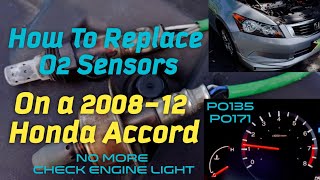
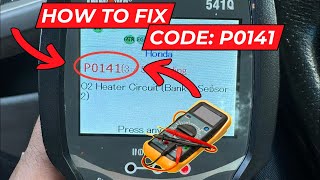
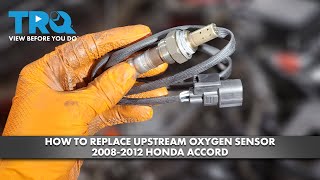
Technical Specifications
OEM Part Numbers: 36531-R40-A01 36532-R40-A01 36531-RNA-A01 36532-PPA-A01 36532-RZA-004
Number of sensors varies by engine (two for 4-cylinder, four for V6). All sensors are of the heated type. Upstream sensors are Air/Fuel Ratio (wideband) type, while downstream are typically standard (narrowband) zirconia type. A 22mm (7/8") hex size is standard.
We Have This Part in Stock

The information in this article is provided for general reference and educational purposes only. Vehicle specifications, procedures, and part compatibility can vary by production date, trim level, and region. Always consult your vehicle's factory service manual and verify part numbers before purchasing or performing repairs. Safety-critical components such as airbags, seat belts, and braking systems should be installed by a qualified professional.
- Honda Accord: