

Diagnosing and Replacing the Engine Oil Pressure Switch on a 2007-2013 Chevrolet Avalanche
Is your oil pressure gauge acting strange? Here’s what every Avalanche owner needs to know.
- A faulty oil pressure switch is a very common problem for 2007-2013 Avalanches, often causing a P0521 code.
- Always replace the small filter screen located under the sensor; it is often the real cause of the problem.
- Replacement is a difficult job due to the sensor's location; using a high-quality OEM or premium aftermarket part is strongly advised.
- Before assuming the sensor is bad, always check the engine oil level to rule out actual low oil.
Is Your Avalanche Oil Pressure Gauge Lying to You?

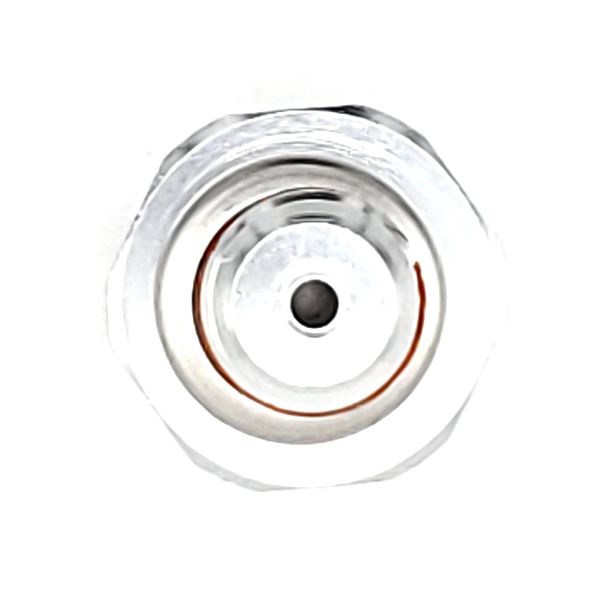
If you own a 2007-2013 Chevrolet Avalanche, you might see some strange behavior from your oil pressure gauge. A common issue is the gauge suddenly pegging at its maximum (often 80 psi) or dropping to zero, even when you know the engine oil level is fine. This is a classic sign that the engine oil pressure switch has failed. You may also see a "Low Oil Pressure" warning on your dash or have the Check Engine Light come on.
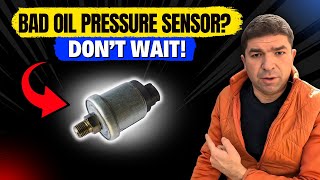
🎬 Learn more about the common symptoms of a failing sensor.A Critical Filter Screen You Must Know About
Before you replace the sensor, you need to know about a tiny filter screen located in the engine block, right underneath the sensor. This screen can get clogged with sludge. A clogged screen will block oil flow to the sensor, causing it to send a false low-pressure reading. In many cases, the sensor itself is fine, and the real problem is just this clogged screen. General Motors has issued a Technical Service Bulletin (TSB PIP4786A) about this exact issue. It is highly recommended to replace this inexpensive screen anytime the sensor is replaced.
Choosing the Right Aftermarket Part: A Word of Caution

Replacing the oil pressure switch on this Avalanche is a difficult job due to its location. Because of the high labor involved, this is not a part you want to replace twice. While OEM ACDelco parts are generally recommended by truck owners for reliability, several aftermarket options are available.
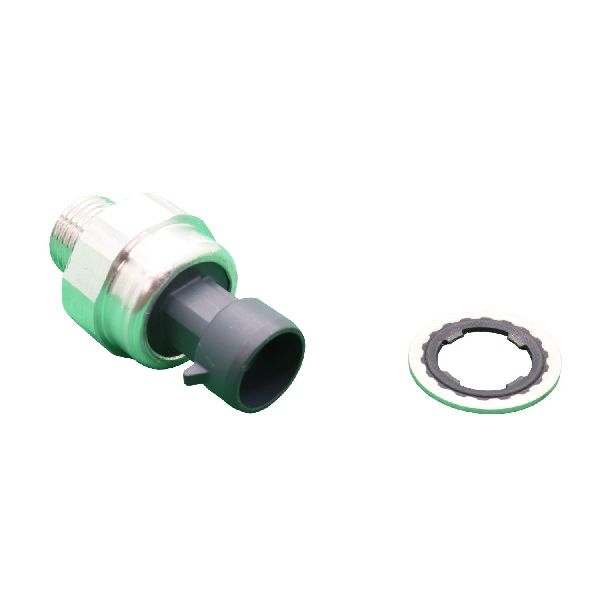
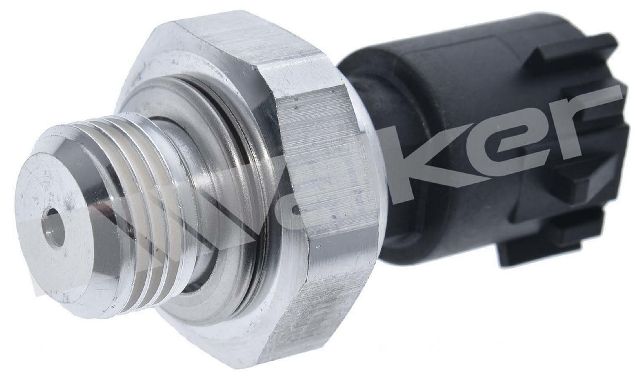
- Premium Aftermarket (Standard Ignition, Walker Products): Brands like Standard Motor Products (SMP) and Walker Products are well-known in the aftermarket. They often meet or exceed original specifications and are a common choice. Some Standard switches even come with the necessary replacement filter screen. However, some owners in forums have reported shorter lifespans compared to OEM parts.
- Economy Aftermarket (Global Parts, Holstein, Vemo): These brands provide a more budget-friendly option. While they meet the basic requirements, their long-term durability and performance are less documented in owner forums compared to premium brands or OEM. Given the difficulty of the repair, saving a few dollars on the part itself may not be worth the risk of a premature failure.
Pro Tip: Due to the sensor's hard-to-reach location at the back of the engine, most mechanics and experienced owners recommend using the highest-quality part you can afford, often an ACDelco original part, to ensure you only have to do this job once.
Understanding the Costs

The total cost can vary greatly depending on whether you do the work yourself or hire a professional.
| Item | Estimated Cost |
|---|---|
| New Aftermarket Part | $46.16 - $82.58 |
| New OEM (ACDelco) Part | $60 - $100 |
| Shop Labor | $200 - $400 |
| Total Professional Replacement | $250 - $500+ |
Frequently Asked Questions

Is it a bad sensor or is my engine actually losing oil pressure?
First, check your oil level using the dipstick. If the level is good, and you don't hear any new, loud engine noises like knocking or ticking, the problem is most likely a faulty sensor or a clogged sensor screen. If the oil level is low or the engine is making noise, stop driving immediately and have it inspected by a professional.
Do I really need to replace the little filter screen under the sensor?
Yes, absolutely. This small screen is a known failure point that gets clogged and causes incorrect pressure readings. It's inexpensive and should always be replaced when you replace the sensor to ensure a proper repair.
Can I replace the oil pressure switch myself?
This is a challenging DIY project. The sensor is located in a very tight space at the back of the engine, behind the intake manifold. It requires special tools, patience, and working by feel. While it can be done without removing the large intake manifold, many find it extremely frustrating. Reviewing videos of the process is highly recommended before you start.
🎬 Watch this step-by-step sensor replacement on a 2013 Avalanche.What special tools are needed for the job?
You will need a special deep oil pressure switch socket, which is typically 1-1/16 inches. You will also need a collection of socket extensions and a swivel joint to reach the sensor. A small hook or pick is also useful for removing the old filter screen from its port.
Helpful Videos
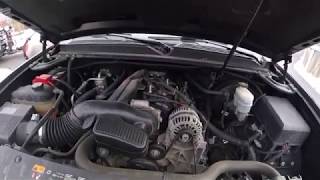
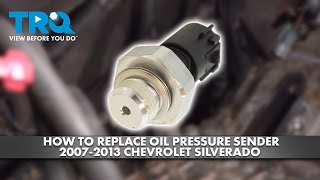
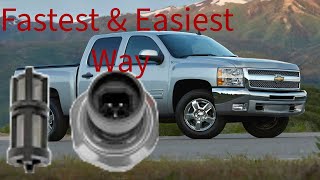
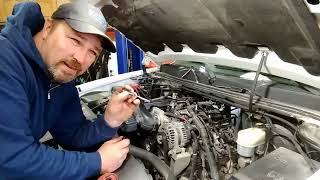
Technical Specifications
OEM Part Numbers: 12677836 12621234 12596951 D1846A
Location: Rear of engine, top of block, driver side. Required Socket: 1-1/16 inch deep oil pressure switch socket.
We Have This Part in Stock


The information in this article is provided for general reference and educational purposes only. Vehicle specifications, procedures, and part compatibility can vary by production date, trim level, and region. Always consult your vehicle's factory service manual and verify part numbers before purchasing or performing repairs. Safety-critical components such as airbags, seat belts, and braking systems should be installed by a qualified professional.
- Chevrolet Avalanche: