

A Guide to the Speed Sensor for the 2007-2012 Toyota Yaris
Understanding why your speedometer is acting up or your ABS light is on and how to choose the right replacement part.
- A faulty speed sensor can cause an erratic speedometer, transmission shifting problems, and ABS/Brake warning lights.
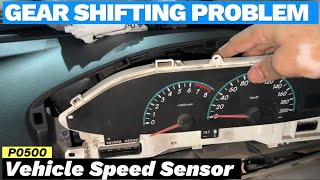
- The Check Engine Light with code P0500 often points directly to a speed sensor issue.
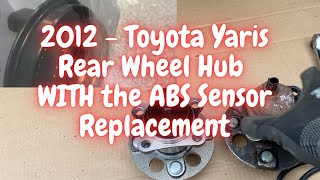
- On the 2007-2012 Yaris, the rear ABS sensors are often integrated with the wheel hub, making replacement more complex than the front sensors.
- Before replacing a sensor, check its electrical connector for corrosion or damage, as this can cause the same symptoms.
Understanding the Speed Sensor in Your Yaris

If you own a 2007-2012 Toyota Yaris, a failing speed sensor can cause a range of confusing problems. These sensors are critical electronic parts that feed information to your car's brain, the Engine Control Module (ECM). The VSS on the transmission primarily controls the speedometer and automatic transmission shifting, while the ABS sensors at each wheel are essential for safety systems. When one fails, it can affect everything from your dashboard readings to how the car drives.
Common Failure Symptoms

A bad speed sensor doesn't always mean your car will stop running, but it can cause serious issues. Here’s what to look for:
- Erratic or Dead Speedometer: The needle may jump around, read incorrectly, or not move at all.
- Transmission Shifting Problems: With an automatic transmission, you might experience hard shifts, delayed shifting, or the transmission getting stuck in one gear. This is because the transmission doesn't know the correct vehicle speed to shift properly.
- ABS and Brake Warning Lights: A common sign of a failed wheel speed sensor is the illumination of the ABS and/or Brake light on your dashboard.
- Check Engine Light: A faulty VSS can trigger the Check Engine Light, often with the code P0500.
- Cruise Control Not Working: The cruise control system relies on a steady speed signal, so it will not engage if the sensor is faulty.
A Note on Rear ABS Sensors
For the 2007-2012 Yaris, many owners have discovered that the rear ABS speed sensors are integrated into the rear wheel hub and bearing assembly. This means if a rear sensor fails, you often have to replace the entire hub, which is a more expensive and labor-intensive job than replacing a simple bolt-on sensor. Front sensors are typically separate and easier to replace.
Known Issues: TSB for Rear Sensor Corrosion

Some owners of early model year Yaris sedans have reported issues with the rear ABS sensors failing due to corrosion. There is a Technical Service Bulletin (TSB), T-SB-0120-08, that addresses a seal that can allow moisture to corrode the rear ABS sensor. While a TSB is not a recall, it is an acknowledgment from Toyota of a known issue. This problem was noted by many owners in regions with winter salt on the roads.
Choosing the Right Aftermarket Part

When shopping for a new speed sensor, you'll find Original Equipment Manufacturer (OEM) parts and aftermarket parts. For a vehicle like the Yaris, the choice involves a trade-off between cost and potential reliability.
- OEM Sensors: These are the same parts Toyota used at the factory. They guarantee perfect fit and function but are the most expensive option.
- Aftermarket Sensors (Replacement Brand): Aftermarket brands like 'Replacement' offer a significant cost saving. For a simple part like a speed sensor, an aftermarket version can be a good value. However, quality can vary. While many work without issue, some forum users have reported cheaper sensors failing prematurely or having slight fitment issues. For the Yaris, given the low cost of aftermarket sensors, they are a reasonable choice, especially for the more accessible front sensors or the transmission VSS.
Pro Tip: Before replacing the sensor, always check the wiring and connector first. A dirty, loose, or corroded connector can mimic the symptoms of a failed sensor and is a much cheaper fix.
| Part/Service | Estimated Cost |
|---|---|
| New OEM Speed Sensor (VSS or Front ABS) | $120 - $180 |
| New Aftermarket Speed Sensor (VSS or Front ABS) | $21 - $25 |
| Shop Labor (Sensor Only) | $90 - $150 |
| Shop Labor (Rear Hub Assembly) | $150 - $250 |
Frequently Asked Questions
Where is the speed sensor located on my 2007-2012 Yaris?
There are multiple sensors. The main Vehicle Speed Sensor (VSS) is on the transmission, usually on the top near where the axles come out. The ABS wheel speed sensors are located at each wheel, mounted near the hub.
My ABS and Brake lights are on. Is it the speed sensor?
It's a very strong possibility. The ABS and brake warning lights are the most common symptoms of a failed ABS wheel speed sensor. However, it's best to have the trouble codes read with a scanner to confirm which sensor is faulty before buying parts.
What is the P0500 code?
P0500 is a generic Diagnostic Trouble Code (DTC) for "Vehicle Speed Sensor (VSS) Malfunction." It means the car's computer has detected an incorrect or absent signal from the speed sensor. This can be caused by a bad sensor, damaged wiring, or other issues in the circuit.
Can I replace a Yaris speed sensor myself?
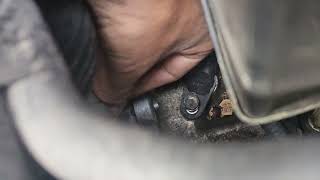
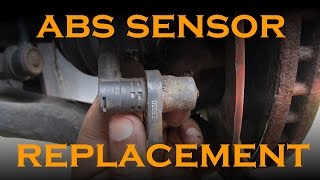
Yes, for many DIYers this is a manageable job. The VSS on the transmission and the front ABS sensors are generally accessible and held in by one or two bolts. However, the rear ABS sensors are often part of the wheel hub assembly, which is a more difficult job requiring more tools and mechanical experience.
Are there any recalls for the speed sensor on my Yaris?
No, there are no specific recalls from Toyota or the NHTSA for speed sensor failures on the 2007-2012 Toyota Yaris. There was a Technical Service Bulletin (TSB) related to corrosion on rear sensors, but this is not a recall.
Helpful Videos

Technical Specifications
OEM Part Numbers: 89516-0D110
The 2007-2012 Yaris uses both a transmission-mounted Vehicle Speed Sensor (VSS) and individual ABS wheel speed sensors. The VSS is typically a two-wire sensor. The rear ABS sensors are often integrated into the wheel hub assembly.

The information in this article is provided for general reference and educational purposes only. Vehicle specifications, procedures, and part compatibility can vary by production date, trim level, and region. Always consult your vehicle's factory service manual and verify part numbers before purchasing or performing repairs. Safety-critical components such as airbags, seat belts, and braking systems should be installed by a qualified professional.
- Toyota Yaris: