

A Guide to Replacing Suspension Struts on the 2007-2012 Honda CR-V
Restore your CR-V's ride quality and get rid of clunking noises by choosing the right replacement struts.
- Check for the critical rear frame rust recall (NHTSA 23V228000) on 2007-2011 models before any suspension work.
- For best results and easier installation, choose a complete 'quick strut' assembly.
- KYB is considered the top-tier aftermarket choice for restoring OEM ride quality, while Monroe is a solid mid-grade option.
- Always replace struts in pairs (both front or both rear) and perform a wheel alignment immediately after installation.
Is Your CR-V's Ride Bumpy and Noisy?

If you've noticed your 2007-2012 Honda CR-V doesn't ride as smoothly as it used to, your struts may be worn. These parts are known to wear out on this generation of CR-V, leading to common complaints about noise and ride harshness. Ignoring these symptoms can lead to poor handling, reduced braking effectiveness, and uneven tire wear.
Common Symptoms of Failing Struts:
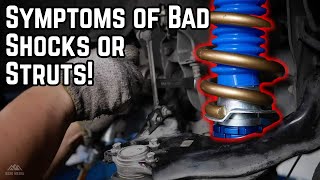
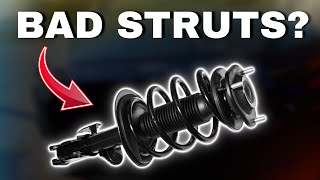
🎬 Watch: 5 symptoms of bad struts you should not ignore- Clunking or Rattling Noises: Hearing loud clunks, pops, or rattles when driving over bumps, potholes, or uneven roads is a primary sign of a bad strut or mount.
- Harsh or Bouncy Ride: If you feel every small bump in the road or if the vehicle bounces multiple times after hitting a dip, the shock-absorbing function of the strut is gone.
- Nose-Diving When Braking: When you apply the brakes, does the front end of your CR-V dip down excessively? This indicates weak front struts.
- Uneven Tire Wear: Worn struts can cause your tires to wear in a cupped or scalloped pattern. This happens because the tire is bouncing as it goes down the road instead of rolling smoothly.
- Visible Fluid Leaks: Look at the body of the strut itself. If it appears oily or greasy, the internal seal has failed, and the strut needs to be replaced.
CRITICAL RECALL INFORMATION: Rear Frame Corrosion
Before addressing your struts, it is critical to be aware of a major safety recall affecting 2007-2011 Honda CR-V models, especially those registered in states that use road salt in the winter (the "salt belt"). The rear frame can corrode where the rear suspension's trailing arm connects, which could cause the arm to detach from the vehicle. This can lead to a complete loss of control.
NHTSA Campaign Number: 23V228000. Contact a Honda dealer with your VIN to see if your vehicle is affected. The dealer will inspect the frame and perform a repair, install a reinforcing brace, or may even offer to repurchase the vehicle, free of charge.
Choosing the Right Aftermarket Strut

When shopping for new struts, you have two main options: a bare strut or a complete strut assembly, often called a "quick strut."
- Bare Strut: This is just the strut itself. It requires a special tool called a spring compressor to swap the old coil spring and mount onto the new strut. This is more labor-intensive and can be dangerous if not done correctly.
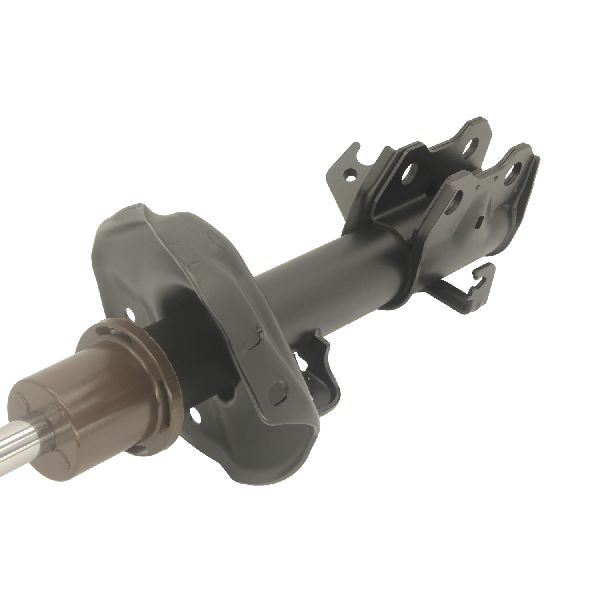
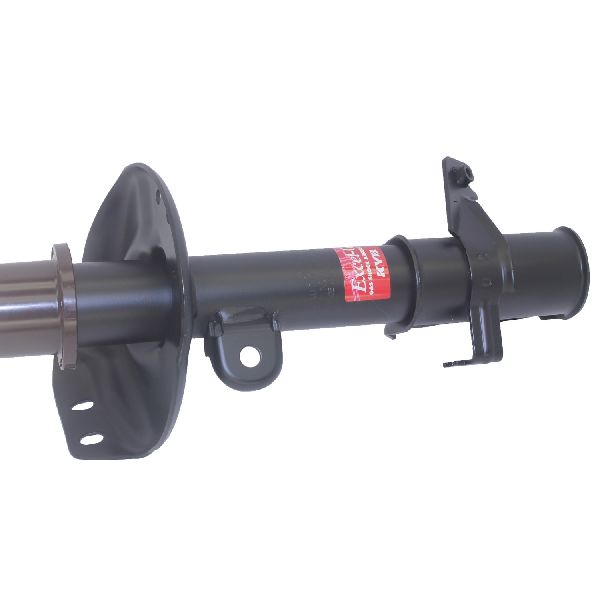
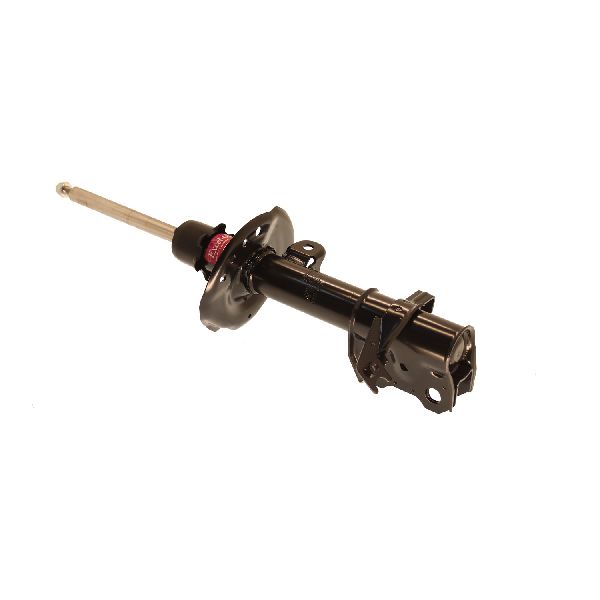
- Complete Strut Assembly (Quick Strut): This is the most popular and recommended option for DIY repair. It's a pre-assembled unit with a new strut, coil spring, and mount. It's safer and cuts installation time significantly. 🎬 See this step-by-step front strut replacement walkthrough
Aftermarket Brand Tiers for the Honda CR-V
Not all aftermarket brands are created equal. Based on owner feedback and mechanic consensus, here is a general quality breakdown for your CR-V:
- OEM-Equivalent (Best Quality): KYB
KYB is widely regarded as an original equipment manufacturer for many Japanese vehicles, including Honda. Their struts are designed to restore the factory ride and handling. For the best results, many mechanics prefer using KYB bare struts and reusing the original Honda mounts or buying new OEM mounts, as some users have reported noise from the mounts included in KYB's front quick strut assemblies for this specific CR-V. - Standard Replacement (Good Quality): Monroe
Monroe is a well-known brand offering a good balance of quality and price. Their Quick-Strut assemblies are a popular all-in-one solution. While some owners report the ride quality is good, others find it merely acceptable or have noted some noise. They are a solid mid-range choice for daily driving. - Economy (Budget-Friendly): FCS
FCS struts are a budget-friendly option for owners looking to fix a failed strut without spending a lot. They will restore function, but their long-term durability and ride refinement may not match that of premium brands. - Use with Caution: PRT
Forum discussions among vehicle owners show consistently negative feedback for PRT struts. Common complaints include poor quality, incorrect ride height after installation, and a very short service life.
| Item | Estimated Cost |
|---|---|
| Aftermarket Complete Strut Assemblies (Pair) | $95 - $360 |
| OEM Struts (Bare Struts, Pair, No Springs/Mounts) | $500 - $600+ |
| Shop Labor (Pair) | $250 - $500 |
| Wheel Alignment (Required After Replacement) | $80 - $150 |
Pro Tip: Replace in Pairs and Get an Alignment
Always replace struts in pairs (both front struts or both rear struts at the same time). Replacing only one can cause uneven handling and instability. After the job is done, a four-wheel alignment is not optional—it's required. Installing new struts will change your vehicle's suspension geometry, and an alignment is necessary to prevent rapid tire wear and ensure the vehicle drives straight.
Frequently Asked Questions

Do I have to replace my struts because of the rear frame rust recall?
No. The recall addresses the frame mounting point for a different suspension part, the trailing arm. It is a separate issue from worn-out struts. However, if a mechanic is inspecting or repairing the rear suspension for the recall, it is a good time to also inspect the condition of the rear struts and shocks.
🎬 Watch: Rear strut replacement guide with a helpful hidden hook trickCan I replace just the front or rear struts?
Yes. You do not need to replace all four struts at once. However, you must replace them in pairs, meaning either both front struts or both rear struts. Mismatched struts on the same axle will make your CR-V unstable.
Is a "quick strut" or complete assembly worth the extra cost?
For most people, yes. A complete strut assembly is much safer and easier to install than a bare strut because you don't need to use a dangerous spring compressor. It saves a lot of time and ensures all the related components (mount, spring, boot) are new.
My CR-V seems to sag in the back. Will new struts fix this?
New complete strut assemblies with new springs will likely fix most of the sag, which is a common issue on older CR-Vs. However, severe sagging can also be caused by worn-out upper control arm bushings in the rear, so it's a good idea to have those inspected as well.
Helpful Videos
Technical Specifications
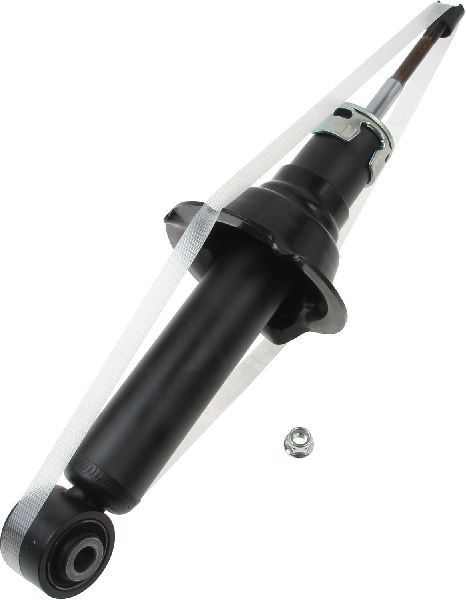
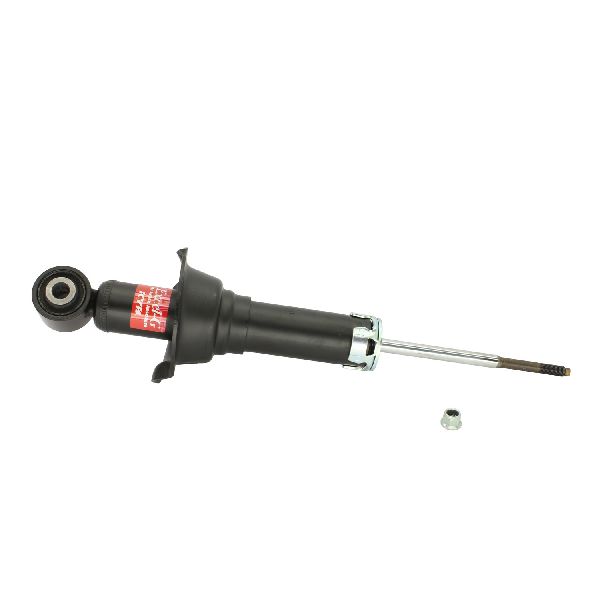
OEM Part Numbers: 51605-SWY-E03 51606-SWY-E03 52611-SWA-A02 52611-SWA-E02
The 2007-2012 Honda CR-V uses a MacPherson strut front suspension and a multi-link rear suspension with coil-over shock absorbers, which function similarly to struts.
We Have This Part in Stock


The information in this article is provided for general reference and educational purposes only. Vehicle specifications, procedures, and part compatibility can vary by production date, trim level, and region. Always consult your vehicle's factory service manual and verify part numbers before purchasing or performing repairs. Safety-critical components such as airbags, seat belts, and braking systems should be installed by a qualified professional.
- Honda CR-V: