

Honda CR-V Engine VVT Solenoid Guide for 2007-2012 Models
Everything you need to know about replacing the Variable Valve Timing (VVT) Solenoid on your 2007-2012 Honda CR-V.
- A failing VVT solenoid will usually trigger a P0011 check engine light code and cause rough running.
- Always check your oil level and condition first; low or dirty oil is the #1 cause of VVT issues.
- Replacement is a simple DIY job, taking less than an hour with a 10mm socket.
- For reliability, choose a quality aftermarket brand like Beck Arnley or Standard Ignition over the cheapest options.
Is Your CR-V's VVT Solenoid Failing?

A bad VVT solenoid can cause noticeable problems with your engine. Because it controls oil flow to adjust timing, many symptoms are related to poor engine performance. The number one killer of these solenoids is low or dirty engine oil, which can clog the small passages and screens inside the part. Keeping up with your oil changes is the best way to prevent failure.
Common Symptoms of a Bad VVT Solenoid

- Check Engine Light: This is often the first warning. You may see codes like P0011, which points to a timing system malfunction.
- Rough Idle and Stalling: The engine may run poorly or even stall at low speeds because the timing is incorrect.
- Poor Acceleration: Your CR-V might feel sluggish and lack power when you press the gas pedal.
- Decreased Fuel Economy: If the solenoid is stuck in a performance-oriented position, your gas mileage will suffer.
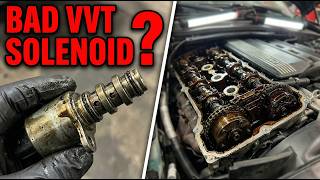
- Engine Noises: You might hear a rattling or ticking sound from the engine, especially at idle. 🎬 Watch: 5 symptoms of a bad VVT solenoid you should never ignore
Check Your Oil First!
Before you replace the solenoid, always check your engine oil level and condition. Low or dirty oil is the most common cause of VVT system problems and fault codes like P0011. An oil change can sometimes fix the issue without needing to replace any parts.
🎬 See how to fix a P0011 VTC system malfunction codeChoosing an Aftermarket VVT Solenoid

When replacing the VVT solenoid on your CR-V, you have a choice between OEM (Original Equipment Manufacturer) and aftermarket parts. While Honda's genuine parts are known for their reliability, a quality aftermarket part can offer good performance for less money. However, quality varies significantly between brands.
Aftermarket Brand Tiers
- Premium Aftermarket (e.g., Beck Arnley, Standard Motor Products): These brands often source their parts from OEM suppliers or engineer them to meet or exceed original specifications. They are a reliable choice for durability and fit.
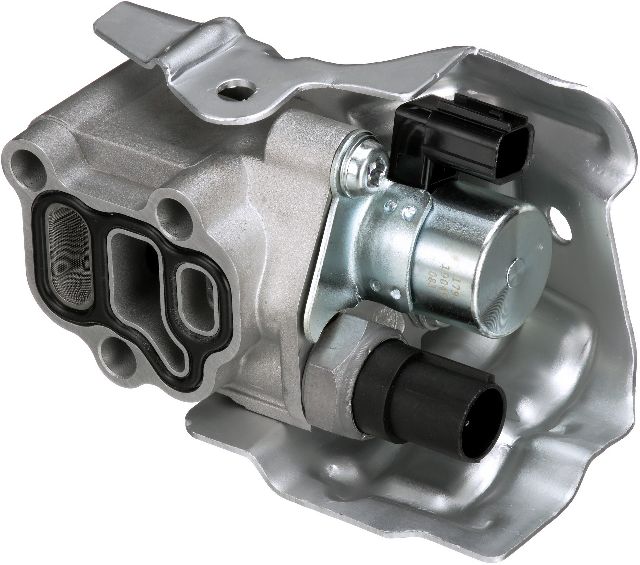
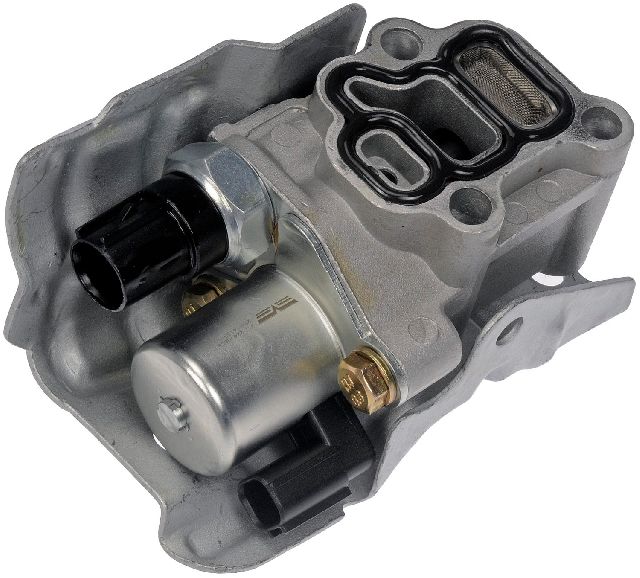
- Value-Oriented (e.g., Dorman, Gates, Global Parts): These brands provide a more affordable option. Dorman is a well-known brand that sometimes improves on OE designs, but some users report mixed reliability on electronic parts like solenoids. Cheaper, unbranded parts found online have a higher risk of premature failure.
Pro Tip: Look for the OEM Supplier
Some aftermarket brands, like Beck Arnley, are known for repackaging parts from the original OEM suppliers (like Keihin for Honda). This can get you the exact same quality as a dealer part but at a lower price.
Cost of Replacing a VVT Solenoid (2007-2012 Honda CR-V)
| Part Type | Estimated Cost |
|---|---|
| New Aftermarket | $43.95 - $168.71 |
| New OEM | $200 - $315 |
| Shop Labor | $100 - $200 |
Frequently Asked Questions (FAQ)

Where is the VVT solenoid located on a 2007-2012 Honda CR-V?
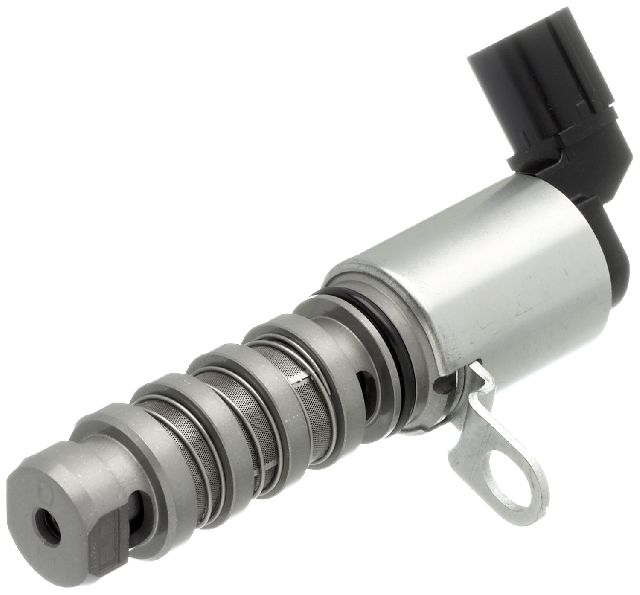
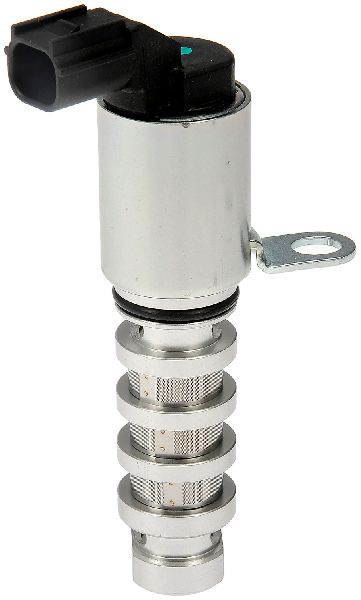
The VVT solenoid is located on the front of the engine's cylinder head, near the timing chain cover on the passenger side. It is a small, cylindrical component with an electrical connector, held in by a single 10mm bolt.
Can I replace the VVT solenoid myself?
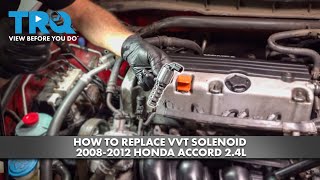
Yes, this is a very DIY-friendly job for someone with basic tools. It typically takes about 20-30 minutes. You'll need a 10mm socket, a ratchet, and possibly some pliers. Just disconnect the battery, unplug the electrical connector, remove one bolt, and swap the old solenoid for the new one.
🎬 Follow this step-by-step VTEC solenoid replacement walkthroughAre there any recalls for the VVT solenoid on this CR-V?
No, there are no specific recalls for the VVT solenoid on the 2007-2012 Honda CR-V. Searches of the NHTSA database show recalls for other issues like rear frame corrosion and airbag inflators, but not the VVT system.
Should I clean my old VVT solenoid or just replace it?
While cleaning the solenoid and its filter screen can sometimes resolve issues temporarily, replacement is often the better long-term solution, especially since aftermarket parts are affordable. If the solenoid has failed internally, cleaning will not fix it.
Helpful Videos


Technical Specifications
OEM Part Numbers: 15810-RAA-A03 15810-RAA-A02 15810-RAA-A01 15810-PPA-A01 15810-PNE-G01
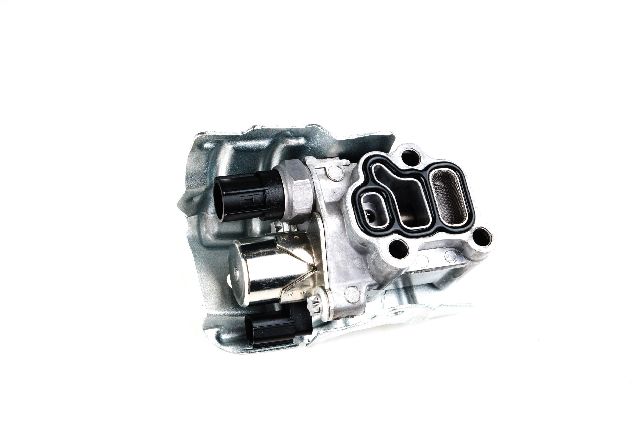
The VVT Solenoid for the 2007-2012 Honda CR-V is part of the VTEC spool valve assembly. It is located on the passenger side of the cylinder head and is secured by one or more 10mm bolts. It uses a 2-pin electrical connector to receive signals from the engine computer.
We Have This Part in Stock


The information in this article is provided for general reference and educational purposes only. Vehicle specifications, procedures, and part compatibility can vary by production date, trim level, and region. Always consult your vehicle's factory service manual and verify part numbers before purchasing or performing repairs. Safety-critical components such as airbags, seat belts, and braking systems should be installed by a qualified professional.
- Honda CR-V: