

Dodge Caliber Crankshaft Position Sensor Guide (2007-2012)
Experiencing stalling or a no-start condition in your Dodge Caliber? Your crankshaft position sensor might be the culprit.
- A failing crankshaft sensor on a Caliber commonly causes stalling, a no-start condition, or a rough idle, often with trouble code P0335.
- The sensor is located on the back of the engine, and while access is tight, a DIY replacement is possible in about an hour with basic tools.
- There are no specific recalls for this sensor, but checking the wiring for damage is a crucial first step.
- Choosing a quality aftermarket brand like NGK, Delphi, or Standard Ignition is recommended for reliability in this critical electronic part.
Is Your Dodge Caliber Stalling or Not Starting?

A failing crankshaft position sensor is a common issue on many vehicles, including the 2007-2012 Dodge Caliber. When this sensor starts to go bad, it can leave you stranded. It sends bad information to your car's computer, leading to a variety of engine performance problems. The most common trouble code associated with a failing crankshaft position sensor is P0335.
Symptoms of a Failing Crankshaft Sensor

If the crankshaft sensor in your Caliber is failing, you will likely notice one or more of the following symptoms:
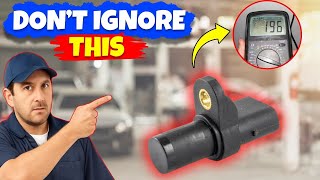
🎬 Watch: A breakdown of common bad crankshaft sensor symptoms- Check Engine Light: This is often the first sign. The light will turn on and store a trouble code like P0335.
- Engine Will Not Start: The engine may crank but refuse to start because the computer isn't getting the signal it needs to fire the spark plugs and fuel injectors.
- Intermittent Stalling: The engine may suddenly shut off while driving or when idling at a stoplight. This can be very dangerous.
- Rough Idling and Misfires: The engine may run poorly, shake, or vibrate because the ignition timing is off.
- Poor Acceleration: You might notice your Caliber feels sluggish and lacks power when you press the gas pedal.
- Reduced Fuel Economy: Incorrect timing can lead to inefficient fuel combustion, making you visit the gas station more often.
Known Issues & Recalls
As of early 2026, there are no specific recalls from the National Highway Traffic Safety Administration (NHTSA) for the crankshaft position sensor itself on the 2007-2012 Dodge Caliber. However, other recalls exist for related wiring harnesses on different Dodge models, highlighting the importance of checking all connections during diagnosis. Always verify the sensor's wiring and connector for damage before replacing the part.
Choosing the Right Aftermarket Sensor

When it comes to engine sensors, quality matters. While an OEM Mopar sensor is an option, many aftermarket brands provide a reliable and more affordable alternative. Aftermarket sensors are generally categorized into different quality tiers.
- Premium Brands (e.g., Delphi, NGK/NTK, Standard Ignition 'SMP'): These brands often have a strong reputation for quality, sometimes as original equipment suppliers for various carmakers. They are engineered to meet or exceed OEM specifications and undergo rigorous testing. For critical sensors like this, a premium brand is a wise investment for reliability.
- Standard/Value Brands (e.g., Dorman, Walker Products, Holstein): These brands offer a balance of affordability and function. They are a popular choice for budget-conscious repairs and generally perform well. Some mechanics have noted inconsistent quality with some value brands in the past, but they often come with a good warranty.
- Economy Brands (e.g., Global Parts, various private labels): These are typically the most inexpensive options. While they can get your car running, their long-term durability and the precision of their signal may not match that of higher-tier brands.
Pro Tip: Many professional mechanics recommend sticking with well-known brands like NGK (NTK), Delphi, or Standard Ignition for electronic sensors to avoid having to do the job twice. While cheaper options are available, a faulty sensor can cause frustrating diagnostic issues.
Replacement Cost for Dodge Caliber
Replacing the crankshaft position sensor is a common repair. Below is a general breakdown of what you can expect to pay.
| Part Type | Estimated Cost |
|---|---|
| New Aftermarket Part | $17.63 - $38.34 |
| New OEM (Mopar) Part | $100 - $110 |
| Shop Labor | $81 - $140 |
| Total Professional Replacement | $114 - $152 (with aftermarket part) |
Frequently Asked Questions (FAQ)

Where is the crankshaft position sensor located on a 2007-2012 Dodge Caliber?
The sensor is located on the back of the engine block, near the transmission bell housing, below the exhaust manifold. It is often protected by a metal heat shield that must be removed first.
Can I replace the Dodge Caliber crankshaft sensor myself?
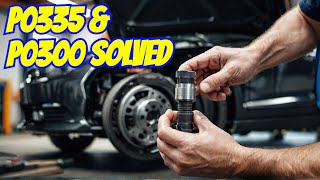
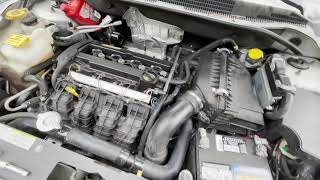
Yes, this is a DIY-feasible job for someone with basic mechanical skills. Access is tight. 🎬 Watch: How to replace the sensor and fix code P0335 On 2.0L engines, it's often accessed from underneath the car. For the 2.4L engine, some owners find it easier to access from the top after removing the air intake box. You will need basic hand tools like a ratchet, sockets (10mm and 13mm), and possibly extensions.
Do I need to perform a 'relearn' procedure after installing a new sensor?
For the 2007-2012 Dodge Caliber, a specific relearn procedure is generally not required after replacing the crankshaft position sensor. The engine computer should adapt to the new sensor after a few drive cycles.
Is it safe to drive with a bad crankshaft position sensor?
It is not recommended. The biggest risk is the engine stalling unexpectedly in traffic, which can cause a crash. If your car is stalling or has trouble starting, you should get it repaired as soon as possible.
Helpful Videos
Technical Specifications
OEM Part Numbers: 5033307AB 05033307AB
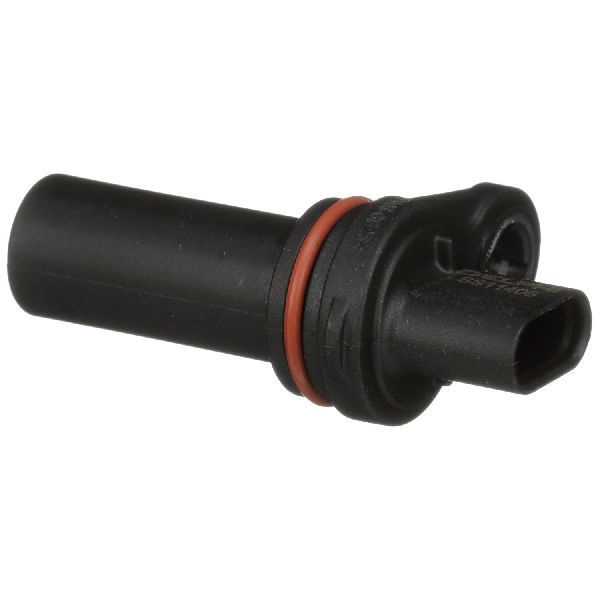
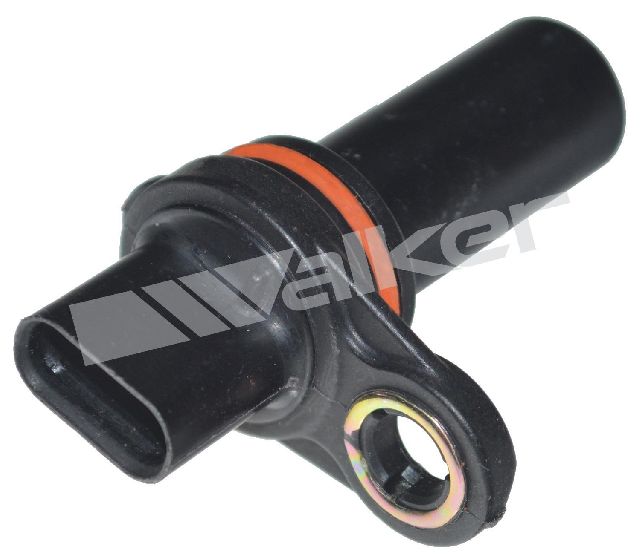
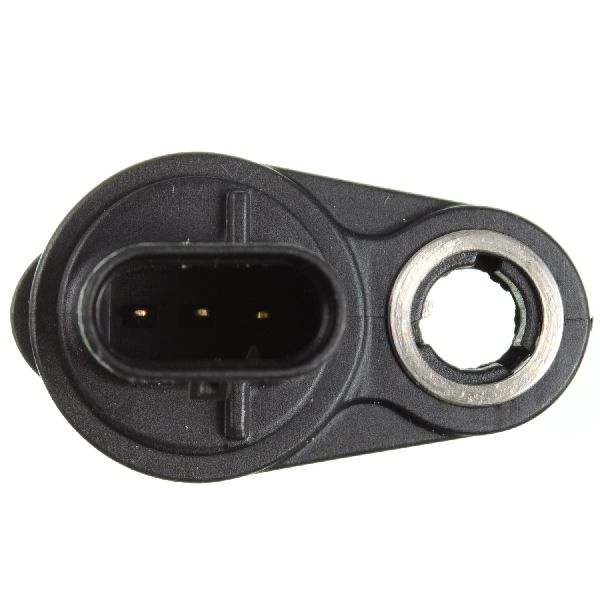
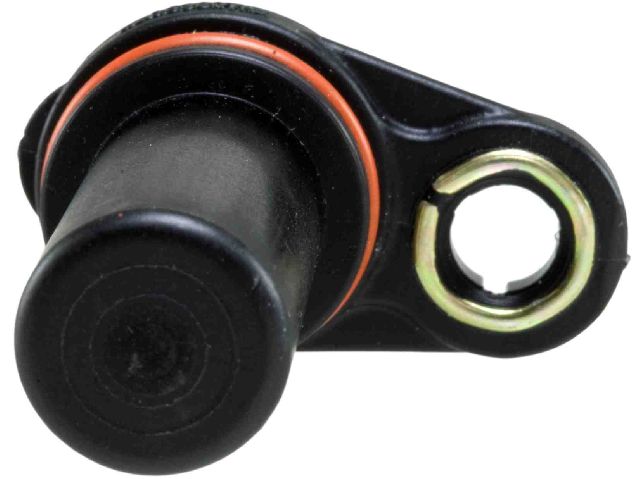
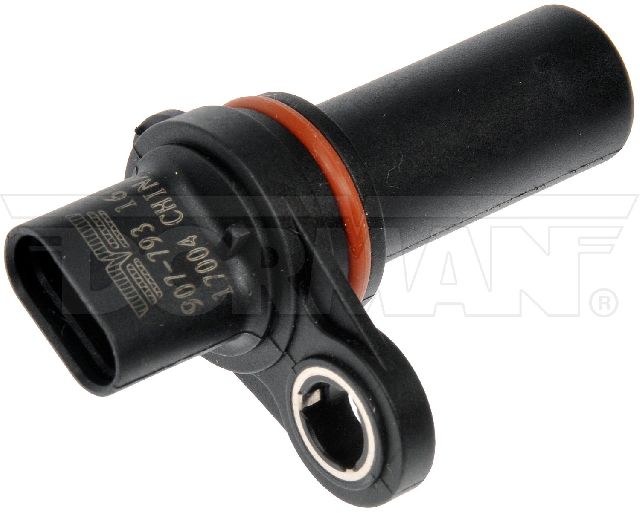
This is a 3-pin magnetic sensor with an oval-shaped connector. It is held in place by a single 10mm bolt.
We Have This Part in Stock


The information in this article is provided for general reference and educational purposes only. Vehicle specifications, procedures, and part compatibility can vary by production date, trim level, and region. Always consult your vehicle's factory service manual and verify part numbers before purchasing or performing repairs. Safety-critical components such as airbags, seat belts, and braking systems should be installed by a qualified professional.
- Dodge Caliber: