

A Guide to the Engine Intake Manifold Gasket on a 2007-2012 Chevrolet Impala
Coolant leaks and rough running are common signs your Impala's intake manifold gasket may need replacement.
- This is a very common failure on the 3.5L V6 engine in 2007-2012 Impalas due to a 'wet' intake design.
- Symptoms include coolant leaks, overheating, rough idle, and a check engine light (P0300, P0171).
- If your engine oil looks 'milky,' do not start the engine as severe internal damage is likely.
- Upgraded aftermarket gaskets from brands like Fel-Pro use a metal frame and are considered a more durable, long-term fix than the original plastic-framed part.
Is Your Impala's Intake Gasket Failing?
The intake manifold gaskets on the 2007-2012 Chevrolet Impala, especially those with the 3.5L V6 engine, are a known failure point. These engines have a "wet" intake design, where engine coolant flows through the manifold, putting constant stress on the gasket seals. The original gaskets often used a plastic frame that could degrade and crack over time from heat and exposure to coolant. This guide will help you understand the symptoms, choose the right replacement part, and know what to expect from the repair.
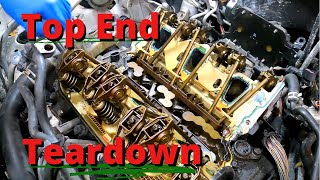
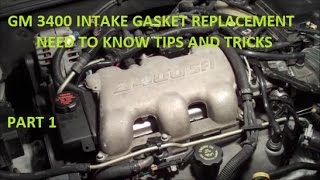
🎬 See a full teardown and lower intake manifold reseal walkthrough.Symptoms of a Bad Intake Manifold Gasket
A failing gasket can cause several distinct problems. You might notice one or more of the following:
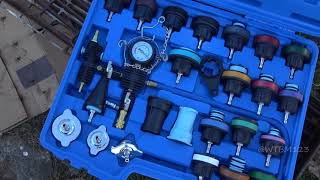
- Coolant Leaks: This is the most common sign. You might find puddles of orange Dex-Cool coolant under your car, notice a low coolant level in the reservoir, or smell a sweet antifreeze scent from the engine bay. 🎬 Watch: How to pressure test your cooling system for leaks. The leak often appears at the corners of the intake manifold where it meets the cylinder heads.
- Engine Overheating: A significant coolant leak will cause the engine to run hot, which can lead to severe damage if ignored.
- Poor Engine Performance: A bad gasket can create a vacuum leak, letting unmeasured air into the engine. This throws off the air-to-fuel ratio and can cause a rough or shaky idle, hesitation when you accelerate, and a general loss of power. You might also hear a hissing sound from the engine.
- Check Engine Light: Misfires or vacuum leaks will trigger the check engine light. Common codes include P0300 (Random/Multiple Cylinder Misfire) and P0171 (System Too Lean).
- Milky Engine Oil: This is a critical symptom. In a severe failure, the gasket can leak coolant internally into the engine oil. If you check your oil dipstick and the oil looks like a chocolate milkshake, do not drive the car. This contamination can quickly destroy the engine.
3.5L vs. 3.9L V6 Engines
This gasket failure is most common on the 3.5L V6 engine because it has a "wet" intake manifold. The 3.9L V6 uses a "dry" intake design where coolant does not pass through the manifold, so it is not prone to the same type of internal coolant leak from this gasket. Coolant leaks on a 3.9L are more likely from separate coolant crossover pipes.
Choosing the Right Aftermarket Gasket Set
For this specific repair, aftermarket gaskets are often considered an upgrade over the original factory part. The key is choosing a quality brand that has improved on the original design's weaknesses.
| Brand Tier | Brands | Quality & Notes |
|---|---|---|
| Problem-Solver (Best) | Fel-Pro | Fel-Pro's PermaDryPlus gaskets are widely recommended by mechanics for this repair. They replace the original plastic gasket carrier with a more durable aluminized steel one that resists cracking and degradation from heat and coolant. This is often the go-to choice for a long-term fix. |
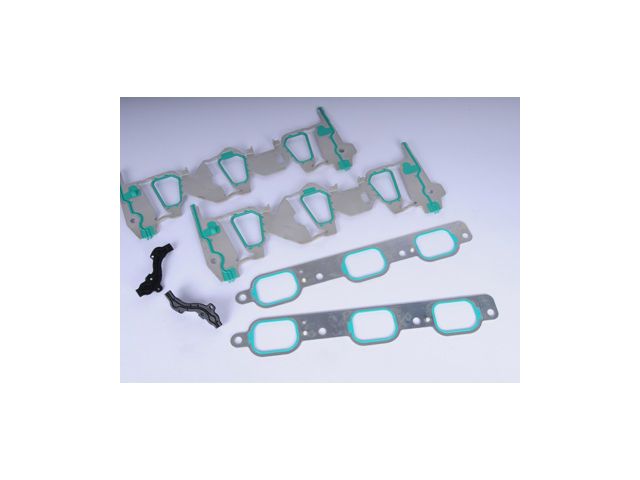
| OEM-Equivalent (Good) | ACDelco, Victor Reinz | ACDelco is the original equipment manufacturer. Their updated designs also use a more reliable aluminum frame and are a solid choice. Victor Reinz is another respected OE supplier that makes quality gaskets engineered to handle modern coolants. Both are reliable options if you prefer to stick close to factory specifications. |
Pro Tip: Replace More Than Just the Gaskets
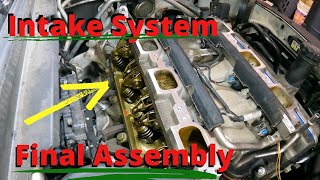
Since this job requires significant labor, it's wise to replace other accessible parts at the same time. Consider replacing the thermostat, coolant crossover pipe gaskets, and even spark plugs and wires while the intake manifold is off.
🎬 Watch: How to perform a tune-up during your gasket replacement.Frequently Asked Questions (FAQ)
Can I drive my Impala with a leaking intake manifold gasket?
It is not recommended. A small vacuum leak will cause poor performance and fuel economy, but a coolant leak can lead to sudden overheating and catastrophic engine damage. If your oil is milky, the vehicle should not be started or driven at all.
What happens if I don't replace a bad intake gasket?
Ignoring the problem will lead to more severe issues. A persistent vacuum leak can damage your catalytic converter. A coolant leak will eventually cause the engine to overheat, which can warp cylinder heads or cause complete engine failure. If coolant mixes with the oil, it will destroy engine bearings and require a full engine replacement.
Is the Fel-Pro gasket really better than the original GM part?
For this specific application, many mechanics and vehicle owners say yes. The original gasket used a plastic carrier that was prone to failure. Fel-Pro's upgraded design uses a metal carrier that is much more durable and resistant to the heat and chemicals that caused the original to fail. While GM did update their own design to be more robust, the Fel-Pro part has a strong reputation as a permanent fix.
Are there any recalls for this issue?
No, there have been no specific safety recalls from the NHTSA for the intake manifold gaskets on the 2007-2012 Chevrolet Impala. The issue is considered a common maintenance repair. There are some Technical Service Bulletins (TSBs) related to coolant leaks on these engines, but none that cover this repair under a special warranty.
Helpful Videos
Technical Specifications
OEM Part Numbers: 89017867
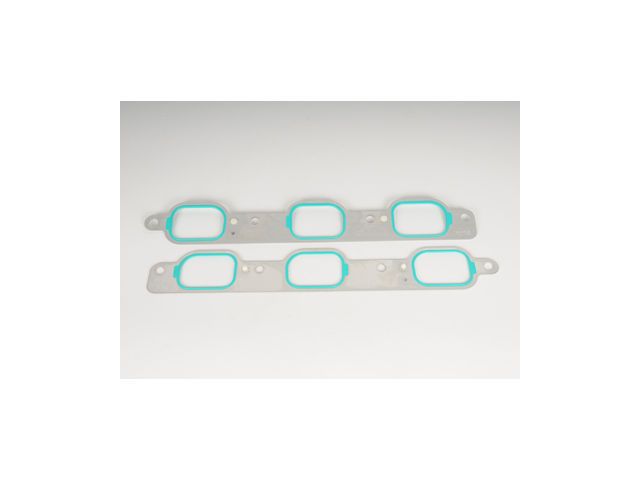
The key difference in replacement gaskets is the carrier material. Original gaskets often used a plastic carrier, while superior aftermarket and updated OEM versions use a more durable aluminum or steel carrier.
We Have This Part in Stock


The information in this article is provided for general reference and educational purposes only. Vehicle specifications, procedures, and part compatibility can vary by production date, trim level, and region. Always consult your vehicle's factory service manual and verify part numbers before purchasing or performing repairs. Safety-critical components such as airbags, seat belts, and braking systems should be installed by a qualified professional.
- Chevrolet Impala: