

A Guide to Oxygen Sensors for the 2007-2011 Volkswagen Jetta
Understand the symptoms of a failing O2 sensor and learn how to choose the right replacement for your Jetta.
- Stick with OEM-equivalent brands like Bosch, NGK/NTK, or Denso for reliability on your Jetta.
- Always choose a 'Direct-Fit' sensor to avoid wiring issues.
- Most 2.5L Jettas have two O2 sensors, but check if you have a California emissions model (CBUA engine code), which has three.
- Ignoring a bad O2 sensor can lead to reduced fuel economy and damage to your catalytic converter.
Is Your Jetta's Oxygen Sensor Failing?

A failing oxygen sensor can cause noticeable problems with your car's performance. Because these sensors wear out over time from heat and contamination, it's a common replacement item for Jettas in this year range. Ignoring a bad O2 sensor can lead to more expensive problems, like a damaged catalytic converter.
Common Failure Symptoms
🎬 Watch: A visual guide to common bad oxygen sensor symptoms.- Check Engine Light: This is the most common sign. A diagnostic scan will often show codes related to the O2 sensor heater circuit (like P0135) or sensor performance.
- Poor Fuel Economy: A bad sensor can cause the engine to use more fuel than necessary, so you'll find yourself at the gas pump more often.
- Rough Idle and Misfires: The engine may run unevenly, shake at a stop, or misfire because the air-fuel mixture is incorrect.
- Rotten Egg Smell: You might notice a sulfur or rotten egg smell from the exhaust, which is a sign of unburned fuel entering the catalytic converter.
- Failed Emissions Test: A bad O2 sensor can cause your vehicle to fail a smog check due to high emissions levels.
Known Issues for 2007-2011 Jetta
TDI Models (2009-2014): Emissions Recall 24CV was issued for some 2.0L TDI models. This recall involved inspecting and possibly replacing the oxygen sensor due to an issue with the air intake system. Additionally, Technical Service Bulletin 26-14-02 provides specific instructions for resetting the O2 sensor adaptations in the ECU after replacement on TDI engines.
Gasoline Models: Technical Service Bulletin 01-17-07 notes that on some models, the engine computer's software can cause damage to the front oxygen sensor, leading to fault codes P2414 or P2237. The fix requires replacing the sensor and updating the engine computer's software.
Choosing the Right Aftermarket O2 Sensor

For German vehicles like your Jetta, the brand of sensor you choose matters. While many budget brands are available, sticking with an OEM supplier or a reputable equivalent is highly recommended for proper function and longevity.
Brand Quality Tiers
- Top Tier (OEM Equivalent): Bosch is the original inventor of the automotive oxygen sensor and a primary OEM supplier for Volkswagen. Choosing a Bosch sensor is often the safest bet for a direct, trouble-free replacement. NGK/NTK and Denso are also top-tier Japanese brands known for their OEM quality and reliability, and are excellent alternatives.
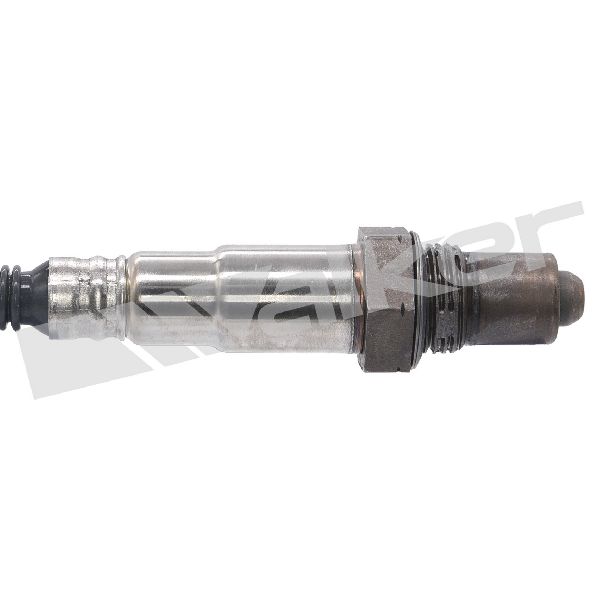
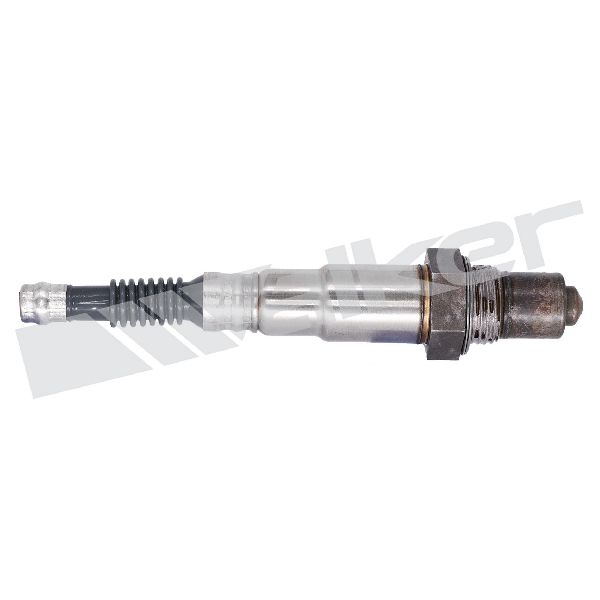
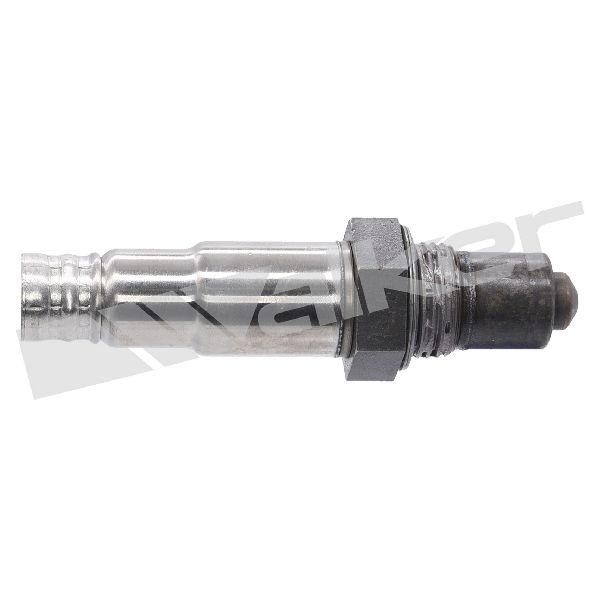
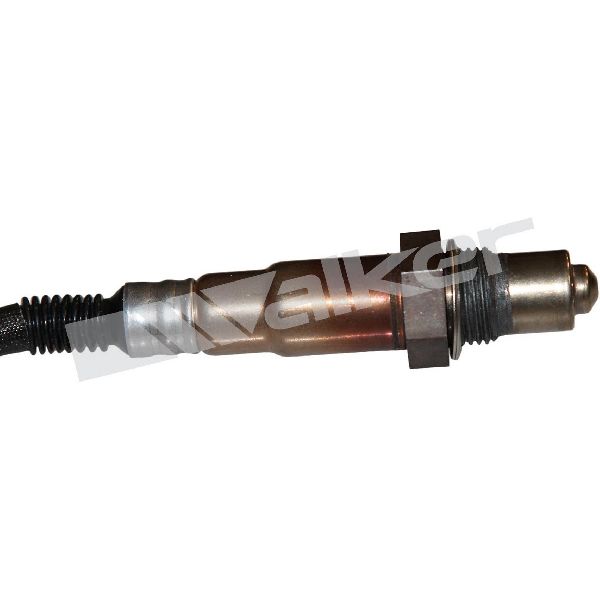
- Standard Tier: Brands like Delphi and Walker Products offer good quality replacements that meet or exceed OE specifications and are a solid choice if a top-tier brand is not available.
- Economy Tier: Brands like DriveWire, Facet, and Spectra may offer a lower price point, but quality can be inconsistent. While they may work, they might not last as long or perform as accurately as OEM-equivalent brands, potentially causing issues down the road.
Pro Tip: Direct-Fit vs. Universal
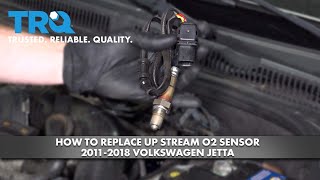
Always choose a "Direct-Fit" sensor for your Jetta. These come with the correct electrical connector for your car, making installation a simple plug-and-play process. 🎬 See this step-by-step walkthrough for replacing the front sensor. A "Universal" sensor requires you to cut and splice wires, which can lead to connection problems and is highly discouraged for modern vehicles.
How Much Does a Replacement Cost?

The cost depends on the brand of the sensor and whether you do the job yourself. Your Jetta has multiple O2 sensors, and the price can vary for upstream vs. downstream sensors.
| Item | Estimated Cost |
|---|---|
| New Aftermarket O2 Sensor (Part Only) | $30 - $212 |
| New OEM O2 Sensor (Part Only) | $328 - $435 |
| Shop Labor Cost | $80 - $118 |
| Total Professional Replacement (Aftermarket) | $150 - $600 |
Frequently Asked Questions

How many oxygen sensors does my 2007-2011 Jetta have?
It depends on your engine. Most 2.5L Jettas have two oxygen sensors: one upstream (before the catalytic converter) and one downstream (after the catalytic converter). However, some California emissions models (PZEV), often identified by the engine code CBUA 🎬 Watch: Troubleshooting a heater circuit malfunction on a 2.5L Jetta., have a third sensor. The 2.0T and TDI engines also typically have two sensors. Always verify the number of sensors for your specific vehicle before ordering.
Should I replace all O2 sensors at once?
You can replace them individually. However, O2 sensors degrade over time. If one has failed due to high mileage, the others are likely not far behind. For best performance, it's often recommended to replace them in pairs (e.g., both upstream or both downstream if your vehicle has more than two).
Can I clean my oxygen sensor?
While some people attempt to clean O2 sensors, it is not a reliable or recommended fix. The sensing element is delicate, and contamination often penetrates deep into the sensor's ceramic body. Replacement is the only guaranteed solution for a failed sensor.
What tools do I need to replace an O2 sensor?
You will need a special tool called an oxygen sensor socket. This socket has a slit down the side to fit over the sensor's wire. You will also need a ratchet and potentially some penetrating oil to help loosen the old sensor, as they are often seized in the exhaust pipe due to heat and rust.
Helpful Videos
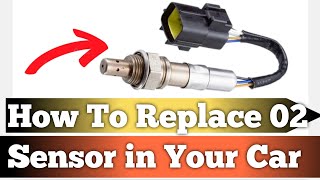
![Bad O2 Sensor Symptoms Downstream & Upstream [Oxygen Sensor Failure and Causes] How to fix & Replace](https://img.youtube.com/vi/b-xxdBlikSA/mqdefault.jpg)
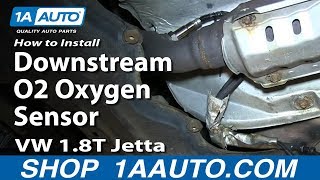
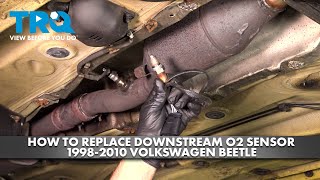
Technical Specifications
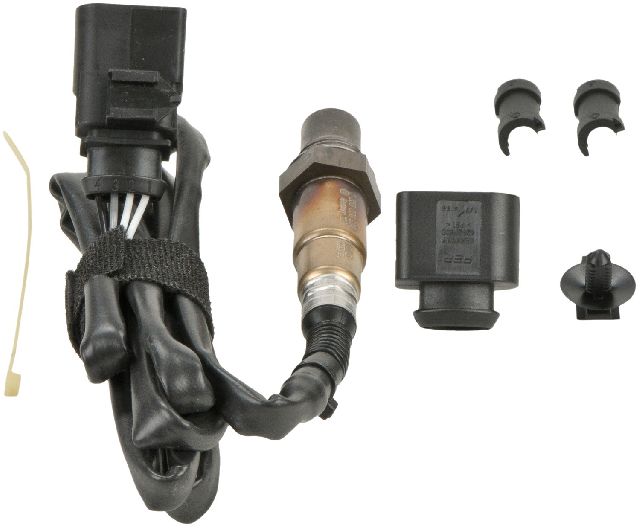
OEM Part Numbers: 06A-906-262-CK 06K906262H 1K0-998-262-AE
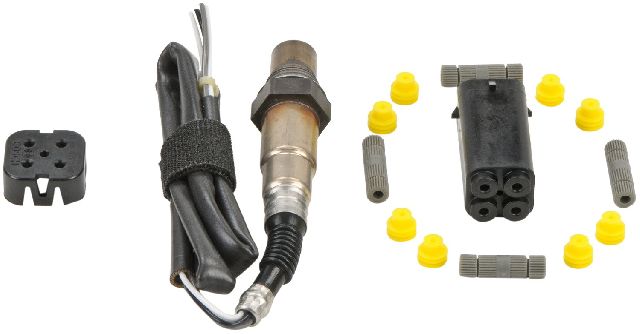
Your Jetta uses heated, direct-fit oxygen sensors. The most common engine, the 2.5L 5-cylinder, typically has two sensors (upstream and downstream), though some versions have three. Upstream sensors are often wide-band (5-wire), while downstream are typically planar (4-wire). Always verify the correct sensor for your specific engine and position (upstream/downstream) using your vehicle's VIN.
We Have This Part in Stock

The information in this article is provided for general reference and educational purposes only. Vehicle specifications, procedures, and part compatibility can vary by production date, trim level, and region. Always consult your vehicle's factory service manual and verify part numbers before purchasing or performing repairs. Safety-critical components such as airbags, seat belts, and braking systems should be installed by a qualified professional.
- Volkswagen Jetta: