

A Guide to Replacing Oxygen Sensors on a 2007-2011 Hyundai Sonata
Fix your check engine light and poor fuel economy by understanding your Sonata's oxygen sensors.
- Your 2007-2011 Sonata has either two (2.4L) or four (3.3L) oxygen sensors.
- A bad O2 sensor will trigger the Check Engine Light and hurt your gas mileage.
- Choose OEM-equivalent brands like Denso or NGK for the most reliable aftermarket replacement.
- Replacing an O2 sensor is a manageable DIY job with the right tool (an O2 sensor socket).
Signs of a Failing Oxygen Sensor

A bad oxygen sensor usually won't leave you stranded, but it will cause clear problems. Ignoring these signs can lead to more expensive repairs, like a damaged catalytic converter, which is a much costlier part to replace. If you see any of these symptoms, it's time to check your O2 sensors.
- Check Engine Light: This is the most common sign. A code scanner can confirm if the light is for an O2 sensor. Common codes include P0130-P0167 for sensor circuit issues and P0036-P0054 for heater circuit problems.
- Worse Gas Mileage: You'll find yourself at the gas pump more often. A bad sensor can make the engine use more fuel than it needs.
- Rough Idle or Stalling: Your Sonata might shake or idle unevenly at stop signs. In some cases, the engine could stall.
- Sluggish Performance: You may feel a loss of power or slow acceleration.
- Bad Smells: A strong smell like rotten eggs from the exhaust can point to a failing sensor.
Choosing the Right Aftermarket Sensor

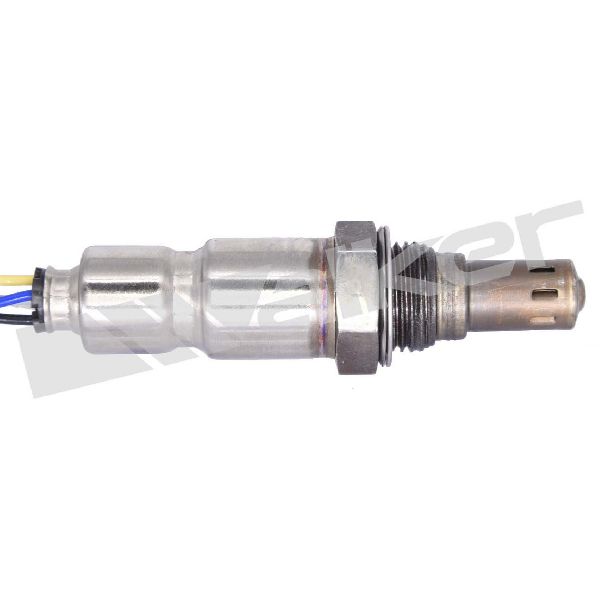
When replacing an O2 sensor, quality matters. Your 2007-2011 Sonata came with either a 2.4L 4-cylinder engine (which has two O2 sensors) or a 3.3L V6 engine (which has four). It's critical to buy the correct sensor for your specific engine and location (upstream or downstream).
Aftermarket Brand Quality Tiers
| Tier | Brands | Notes |
|---|---|---|
| OEM-Equivalent | Denso, NGK/NTK, Mando | Denso and NGK (also sold as NTK) are often the original factory part suppliers for many vehicles, including Hyundai. Mando is a well-regarded Korean OEM supplier. Choosing these brands is the closest you can get to original quality. |
| Top-Tier Aftermarket | Bosch, Delphi | Bosch invented the automotive oxygen sensor and is a leading global supplier with a reputation for quality and performance that meets or exceeds OE specs. Delphi is another major OEM supplier with a strong aftermarket presence. |
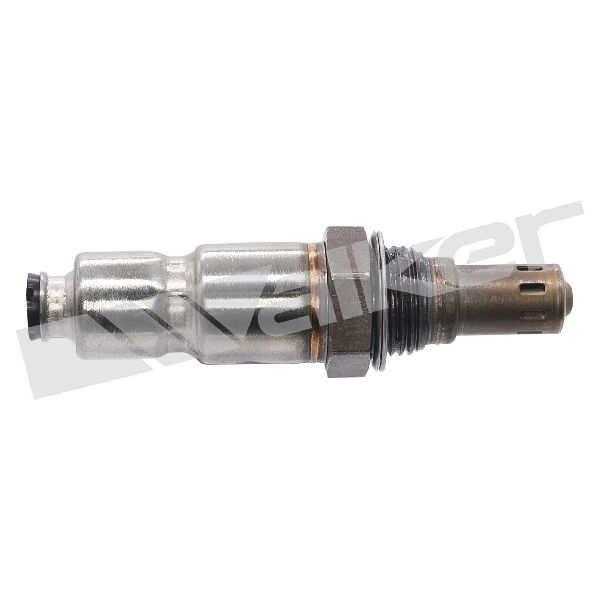
| Quality Aftermarket | Walker Products, Hella, Spectra | These brands offer a good balance of quality and value. Walker is a commonly cited aftermarket brand in forums and repair videos. |
| Economy | DriveWire | These are budget-friendly options. While they can work, their lifespan and performance may not match the higher-tier brands. |
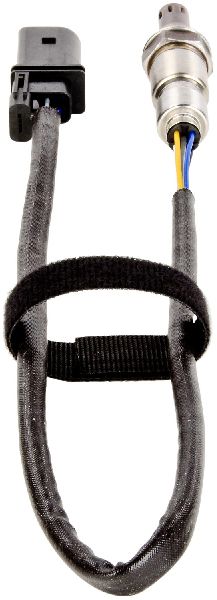
Pro Tip: For the 3.3L V6 engine, three of the four oxygen sensors are often the same part number (upstream front, upstream rear, and downstream front). The downstream rear sensor is different, featuring a much longer wire harness. Always double-check part numbers and wire lengths before purchasing.
Known Issues, Recalls, and TSBs
As of early 2024, there are no specific recalls from the National Highway Traffic Safety Administration (NHTSA) for oxygen sensor failure on the 2007-2011 Hyundai Sonata. However, Hyundai did issue a Technical Service Bulletin (TSB #11-01-007) for the 2011 Sonata, which involved a software update to improve oxygen sensor monitoring. If you have a 2011 model, ensure this update has been performed.
Frequently Asked Questions (FAQ)


How many oxygen sensors does my 2007-2011 Sonata have?
It depends on your engine. The 2.4L 4-cylinder engine has two sensors: one upstream and one downstream. The 3.3L V6 engine has four sensors: two upstream (one for each cylinder bank) and two downstream.
What's the difference between an upstream and a downstream sensor?
The upstream sensor (also called Bank 1 Sensor 1 or Bank 2 Sensor 1) is located before the catalytic converter. It is critical for managing the engine's air-fuel mixture. The downstream sensor (Bank 1 Sensor 2 or Bank 2 Sensor 2) is located after the catalytic converter and its main job is to monitor the converter's efficiency.
Can I replace the sensor myself?
Yes, this is a common DIY job. The main challenges are accessing the sensor, which can be in a tight spot, and removing the old one if it's rusted in place. You will need a special 22mm (or 7/8 inch) oxygen sensor socket with a slot for the wire. Always work on a cool engine and use penetrating oil on a seized sensor.
Should I use anti-seize on the new sensor?
Yes. Most quality new sensors come with anti-seize compound already applied to the threads. If not, apply a small amount to the threads only. Do not get any on the sensor tip, as this can ruin the new sensor.
Do I need to disconnect the battery to reset the check engine light?
After replacing the sensor, the check engine light should turn off on its own after a few drive cycles. You can also clear the code immediately using an OBD-II scanner or by disconnecting the battery's negative terminal for about 15 minutes.
Helpful Videos
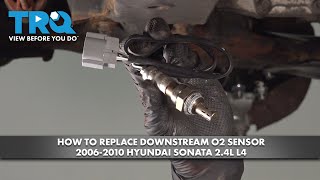

Technical Specifications
OEM Part Numbers: 39210-2G200 39210-2G550 39210-23910
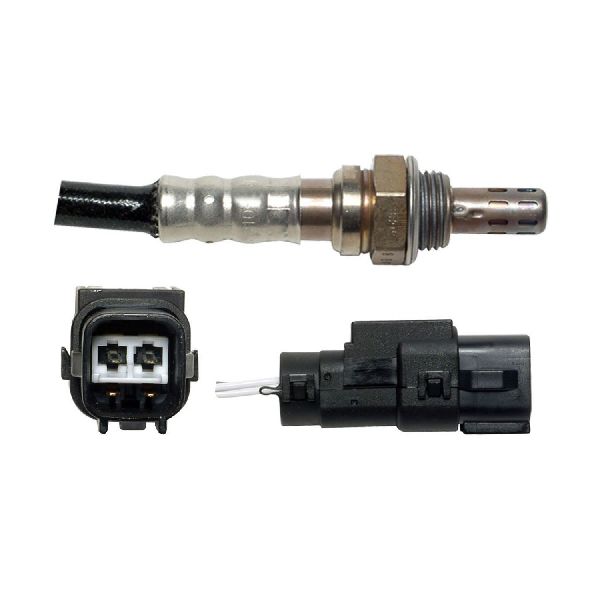
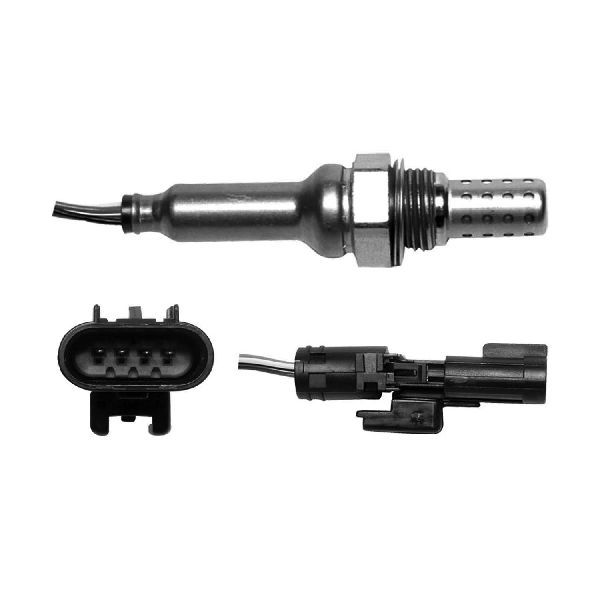
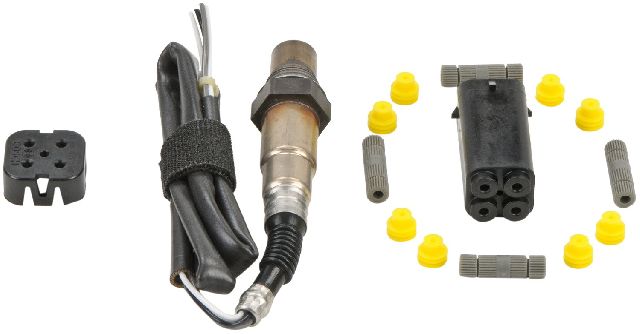
Number of Sensors: 2 (2.4L I4) or 4 (3.3L V6). Socket Size: 22mm or 7/8 inch. Connector Type: Varies by location (upstream/downstream) and engine. Always verify the connector matches your old part before installation.
We Have This Part in Stock

The information in this article is provided for general reference and educational purposes only. Vehicle specifications, procedures, and part compatibility can vary by production date, trim level, and region. Always consult your vehicle's factory service manual and verify part numbers before purchasing or performing repairs. Safety-critical components such as airbags, seat belts, and braking systems should be installed by a qualified professional.
- Hyundai Sonata: