

A Ford Explorer Owner's Guide to Replacing Oxygen Sensors (2007-2011)
Fix your check engine light and poor gas mileage by choosing the right oxygen sensor for your Explorer.
- Your Explorer has four O2 sensors; use a code scanner to identify the exact one that has failed before buying a replacement.
- Ignoring a bad O2 sensor can lead to the failure of your expensive catalytic converter.
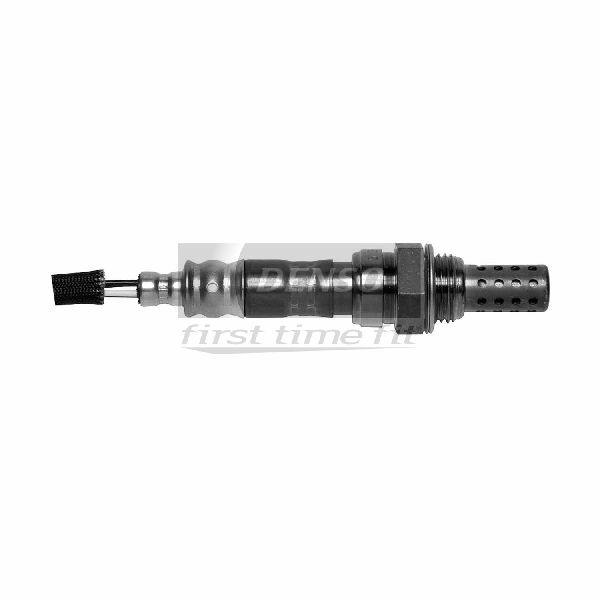
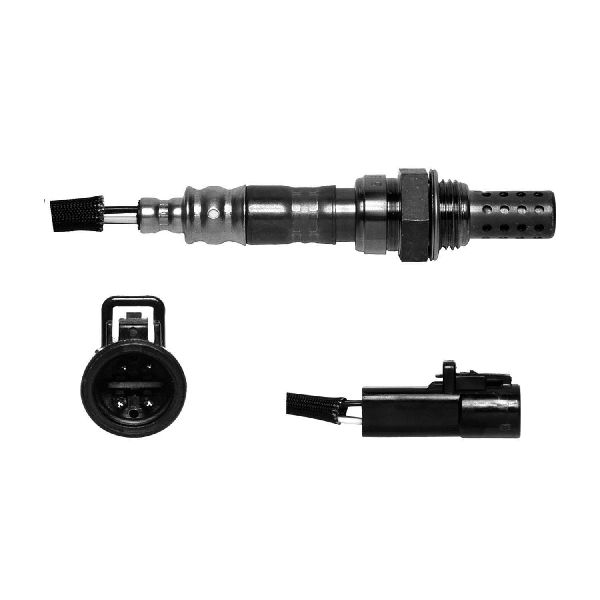
- Premium aftermarket brands like Denso, NGK/NTK, and Bosch offer OEM-level quality, often for less than the Motorcraft part.
- The most difficult part of the job is often removing the old sensor, which can be seized in the exhaust. Use penetrating fluid and an O2 sensor socket.
Is Your Explorer's Check Engine Light On?

One of the most common reasons the check engine light comes on in a 2007-2011 Ford Explorer is a failing oxygen sensor. While it might seem like a small part, a bad O2 sensor can cause noticeable problems like poor fuel economy, a rough idle, and hesitation when you accelerate. Ignoring it can lead to a much more expensive problem: a damaged catalytic converter. This guide will help you understand the symptoms, choose the right aftermarket replacement, and know what to expect from the repair.
Symptoms of a Bad Oxygen Sensor in a Ford Explorer

Your Explorer will give you several clues when an oxygen sensor is starting to fail. You don't need to experience all of them to have a problem.
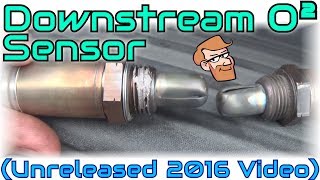
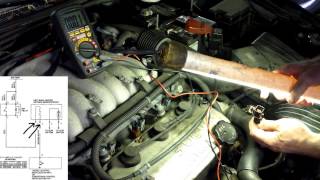
- Check Engine Light: This is the most common sign. Codes like P0135 (Bank 1 Sensor 1 Heater Circuit) or P0155 (Bank 2 Sensor 1 Heater Circuit) point directly to a specific oxygen sensor. 🎬 Watch: How to diagnose O2 sensor heater circuit codes.
- Worse Gas Mileage: If you're filling up your tank more often, a bad upstream sensor might be forcing the engine to use more fuel than necessary.
- Rough Idle or Misfires: An incorrect air-fuel mixture can make your engine run poorly, especially when stopped.
- Rotten Egg Smell: A strong sulfur or rotten egg smell from the exhaust can mean unburnt fuel is getting into the catalytic converter, a problem often caused by a bad O2 sensor.
- Failed Emissions Test: O2 sensors are a key part of the emissions system, and a faulty one will almost guarantee a failed test.
Don't Ignore a Failing Sensor
While you can drive with a bad oxygen sensor, it's not recommended. The engine will run inefficiently, and over time, an overly rich fuel mixture can overheat and destroy the catalytic converter—a repair that costs significantly more than replacing a sensor.
How Many O2 Sensors Does a 2007-2011 Explorer Have?

Your Ford Explorer has four oxygen sensors. It's critical to identify which one is bad before you buy a replacement. An OBD-II scanner will give you a code that points to the exact location.
- Bank 1: This is the cylinder bank on the passenger side of the engine.
- Bank 2: This is the cylinder bank on the driver's side of the engine.
- Sensor 1: This is the upstream sensor, located on the exhaust manifold or pipe before the catalytic converter.
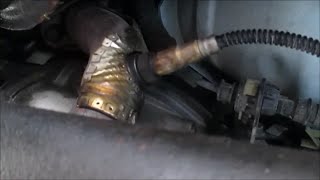
- Sensor 2: This is the downstream sensor, located after the catalytic converter.
For example, a code P0135 refers to Bank 1, Sensor 1—the upstream sensor on the passenger side.
Choosing the Right Aftermarket Oxygen Sensor

You don't have to buy the expensive OEM part from a dealer. Many aftermarket brands produce high-quality sensors that meet or exceed Ford's specifications. However, quality can vary, so it's best to stick with reputable names.
Brand Quality Tiers
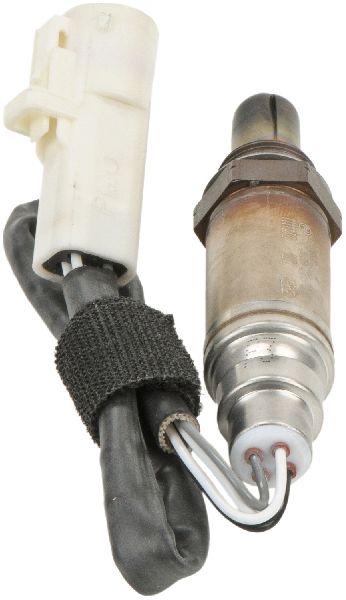
Premium Aftermarket (OEM-Equivalent): Brands like Denso, NGK (also sold as NTK), and Bosch are often the original equipment manufacturers for many car companies, including Ford. They are known for their reliability and are a safe bet for performance that matches the original part. Some dedicated Ford owners prefer NTK or Denso, citing forum discussions about Bosch sensors being 'lazy' on some Ford applications, but many others use Bosch without issue.
Quality Mid-Range: Brands like Walker Products and Delphi offer a good balance of quality and price. They are well-regarded and often use components from top manufacturers.
Economy Brands: Brands like DriveWire or other store-brands offer a budget-friendly option. While they can work, their longevity and performance may not match the premium brands.
OEM vs. Aftermarket
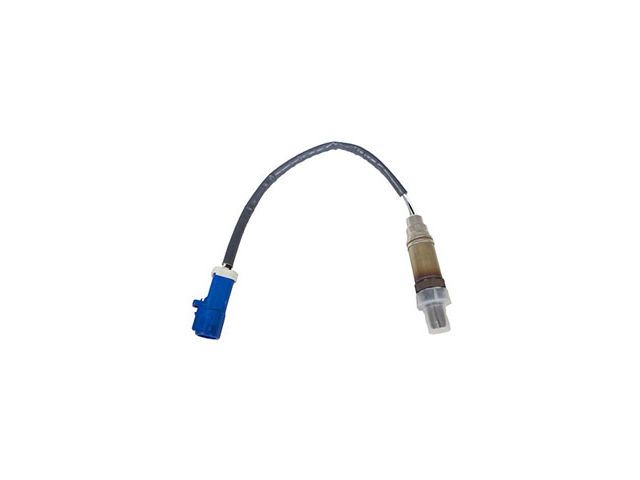
The original sensor in your Explorer is a Motorcraft part. While you can't go wrong with Motorcraft, brands like Bosch, Denso, and NTK often supply the parts to Ford, who then re-brands them. Choosing a premium aftermarket brand often gets you the same quality for less money.
Estimated Replacement Costs
The cost to replace an oxygen sensor depends on whether you do it yourself or take it to a shop. The sensors themselves have a wide price range based on brand and location (upstream/downstream).
| Item | Estimated Cost |
|---|---|
| New Aftermarket O2 Sensor (DIY) | $41 - $146 |
| New OEM (Motorcraft) O2 Sensor | $90 - $200+ |
| Shop Labor | $105 - $135 |
| Total Professional Replacement | $150 - $350+ (per sensor) |
Frequently Asked Questions
Can I replace an oxygen sensor myself?
Yes, this is a feasible DIY job for someone with basic tools and mechanical experience. The main difficulty is that the old sensor can be rusted and seized into the exhaust pipe. Using plenty of penetrating fluid and having a special O2 sensor socket (22mm or 7/8") is highly recommended.
Are all four oxygen sensors on the Explorer the same part number?
No. The upstream and downstream sensors are different, and sometimes the left and right side sensors have different wire lengths or connectors. It is essential to order the part that specifically matches the location (e.g., Bank 1 Sensor 2).
Can I clean my old oxygen sensor instead of replacing it?
While some online sources suggest cleaning O2 sensors, it is generally not an effective or long-term solution. Contaminants can penetrate deep into the sensor's ceramic element. Replacement is the only reliable fix for a failing sensor.
Are there any recalls for the 2007-2011 Explorer oxygen sensor?
No, there are no known recalls or widespread Technical Service Bulletins (TSBs) from Ford or the NHTSA for oxygen sensor failures on the 2007-2011 Ford Explorer.
Helpful Videos
Technical Specifications
OEM Part Numbers: DY1178 DY1173 DY1153
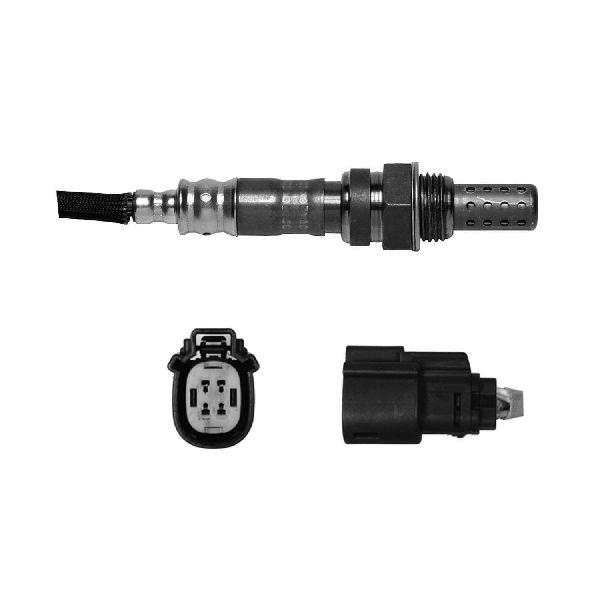
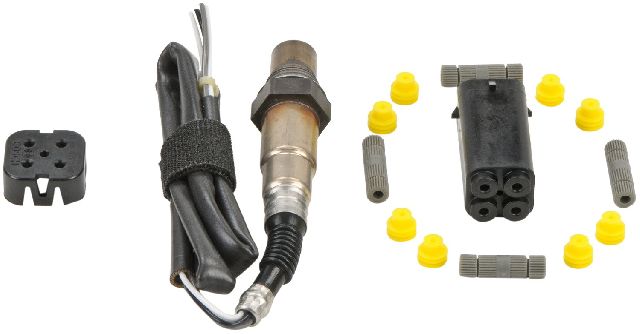
The 2007-2011 Ford Explorer uses four heated, 4-wire oxygen sensors. The thread size is typically M18-1.50. Upstream and downstream sensors are different, as are the specific part numbers for each of the four locations.
We Have This Part in Stock

The information in this article is provided for general reference and educational purposes only. Vehicle specifications, procedures, and part compatibility can vary by production date, trim level, and region. Always consult your vehicle's factory service manual and verify part numbers before purchasing or performing repairs. Safety-critical components such as airbags, seat belts, and braking systems should be installed by a qualified professional.
- Ford Explorer: