

A/C Compressor Failure and Replacement for the 2007-2011 Audi Q7
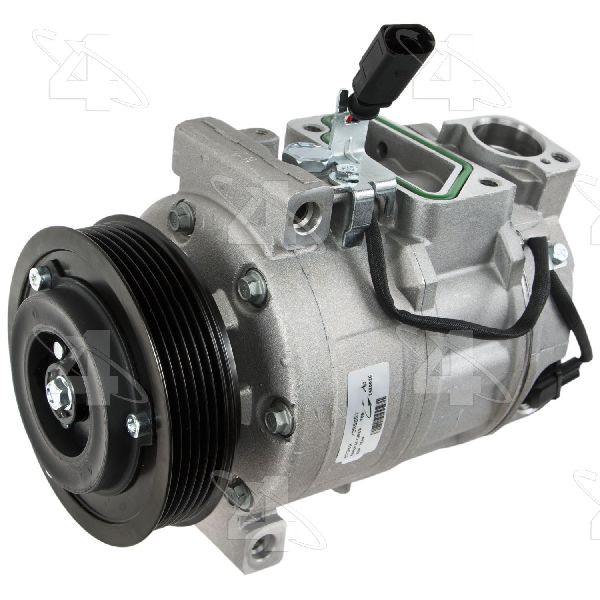
If your Q7's air conditioning is blowing warm, here is what you need to know before replacing the A/C compressor.
- For best results, choose an OEM/OES brand like Denso or Valeo; they are often the original factory part.
- You MUST replace the receiver/drier and expansion valve with the compressor to prevent premature failure and to keep your warranty valid.
- If your old compressor failed internally, the entire A/C system must be flushed to remove metal debris.
- A faulty control valve (solenoid) is a common issue and can sometimes be replaced separately, but replacing the whole compressor is safer for high-mileage vehicles.
Is Your Q7 A/C Blowing Warm Air?
One of the most common problems for the 2007-2011 Audi Q7 is a failing air conditioning system, with the A/C compressor often being the source of the issue. Symptoms can start small, like cooling that seems weak in very hot weather, and progress to a complete failure where the system only blows ambient or warm air.
Common Symptoms of a Failing A/C Compressor
- No Cold Air: The most obvious sign is a complete lack of cold air from the vents, even with the A/C set to max.
- Intermittent Cooling: The A/C may work fine on cooler days but struggle or stop working entirely in high heat. It might also blow cold for a few minutes and then turn warm.
- Unusual Noises: Grinding, squealing, or rattling sounds from the engine bay when the A/C is turned on can indicate the compressor's internal parts are failing or the clutch is seizing.
- Visible Leaks: The compressor has seals that can fail, leading to refrigerant and oil leaks. You might see a greasy, dirty film on the compressor body.
Critical Failure: System Contamination
If a compressor fails internally, it can send tiny metal shavings throughout the entire A/C system. This is known as "black death." If this happens, simply replacing the compressor is not enough. The new compressor will fail quickly. The entire system, including lines, condenser, and evaporator, must be professionally flushed, and the receiver/drier and expansion valve must be replaced to prevent a repeat failure.
Choosing the Right Aftermarket A/C Compressor
The original compressor on your Audi Q7 was likely made by Denso or Valeo. When choosing a new aftermarket part, you have several quality tiers to consider.
Tier 1: OEM / OES Brands
These brands are the original equipment manufacturers or suppliers. They offer the highest quality, best fit, and longest lifespan, essentially matching the part your Q7 came with from the factory.
- Denso: Widely regarded as the OEM for many Audi models, Denso compressors are built to factory standards for quiet operation and durability. Choosing Denso is the safest bet for long-term, reliable performance.
- Valeo: Another major OEM supplier, Valeo parts are known for their quality and are often a direct-fit replacement.
- Mahle: A German company and a trusted OEM supplier, Mahle provides high-quality components that meet or exceed factory specifications.
Tier 2: Premium Aftermarket Brands
These brands specialize in cooling and heating systems and offer a great balance of quality and price. They are a solid choice for owners who want a reliable part without the OEM price tag.
- Nissens: A Danish manufacturer known for precision engineering and high-quality cooling system parts. They are a very popular and trusted option in the aftermarket.
- Bosch: While a massive parts supplier, their A/C compressors are generally well-regarded and offer good performance.
Tier 3: Standard Aftermarket Brands
These brands provide a functional, budget-friendly solution. They are a good option if you are trying to minimize repair costs, but may not offer the same longevity or quiet operation as the premium brands.
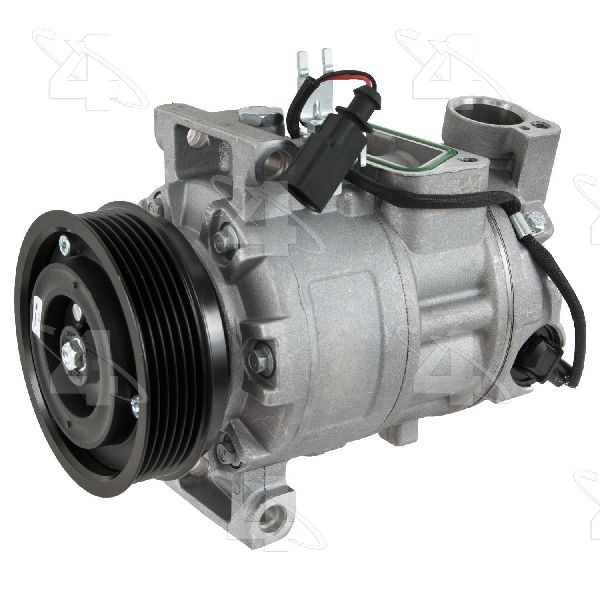
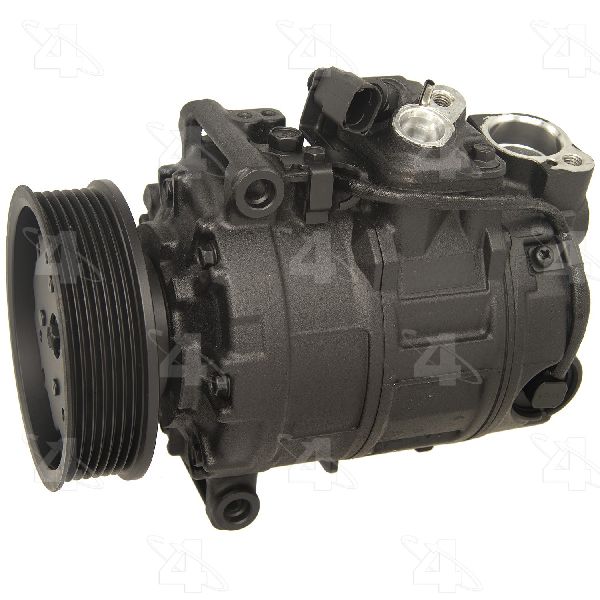
- Four Seasons: A very common aftermarket brand that offers a wide range of new and remanufactured compressors.
- Global Parts (GPD): Offers a broad catalog of affordable A/C components and kits.
Pro Tip: Replace Supporting Parts
To ensure a long-lasting repair and to validate the warranty on your new compressor, you MUST replace the A/C Receiver/Drier (also called an accumulator) and the Expansion Valve at the same time. The receiver/drier absorbs moisture from the system, and the old one is saturated. 🎬 Watch: How to remove the compressor and replace the drier. Failure to replace these components is the #1 cause of premature failure for new compressors.
Cost of Replacing a 2007-2011 Audi Q7 A/C Compressor
| Part / Service | Estimated Cost |
|---|---|
| New OEM Compressor (Dealer) | $750 - $1,350 |
| New Aftermarket Compressor | $250 - $800 |
| Shop Labor | $400 - $770 |
| Total Professional Job (Aftermarket Part) | $800 - $1,600+ |
Costs are estimates and will vary based on your location, the specific brand chosen, and the condition of your system. A job requiring a full system flush will cost more.
Frequently Asked Questions
Can I just replace the A/C clutch or control valve?
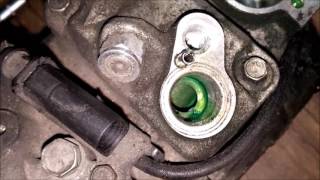
Sometimes, but it's risky. On many VW/Audi models, a faulty electronic control valve (solenoid) on the back of the compressor is a common issue. Replacing just the valve is much cheaper. 🎬 See how to diagnose and fix common Audi A/C issues. However, if the compressor has internal mechanical wear, or if you misdiagnose the problem, you will have wasted your time and money. If the compressor is noisy or has high mileage, it is usually best to replace the entire unit.
Do I have to flush the A/C system?
Yes, it is highly recommended. If your old compressor failed internally, a flush is mandatory to remove metal debris that will destroy the new compressor. Even if it didn't, a flush cleans out old oil and contaminants, ensuring the new components work in a clean environment, which is critical for longevity.
Why do I have to replace the receiver/drier too?
The receiver/drier contains a desiccant material that absorbs moisture from the refrigerant. Once the A/C system is opened to the air during repair, this desiccant becomes saturated and can't absorb any more moisture. Moisture in the A/C system reacts with refrigerant to form corrosive acids, which will damage your new compressor. Nearly all compressor warranties require proof that the receiver/drier was also replaced.
Is this a good DIY project for a home mechanic?
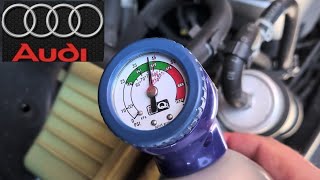
This is a moderately difficult job. While it doesn't require removing the engine, it does require specialized equipment, including a manifold gauge set and a vacuum pump to properly evacuate and recharge the system. You must also have the old refrigerant legally recovered by a licensed shop. If you have the tools and experience, a DIY replacement can save you over $500 in labor.
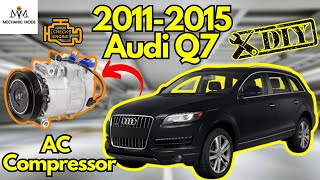
🎬 Watch this fast-paced walkthrough of the compressor replacement process.Helpful Videos

Technical Specifications
OEM Part Numbers: 4E0260805AS 4E0260805AR 7L6820808
Requires PAG 46 or ND-OIL8 compressor oil. System must be evacuated, vacuumed, and recharged with R134a refrigerant to specific capacity after installation.
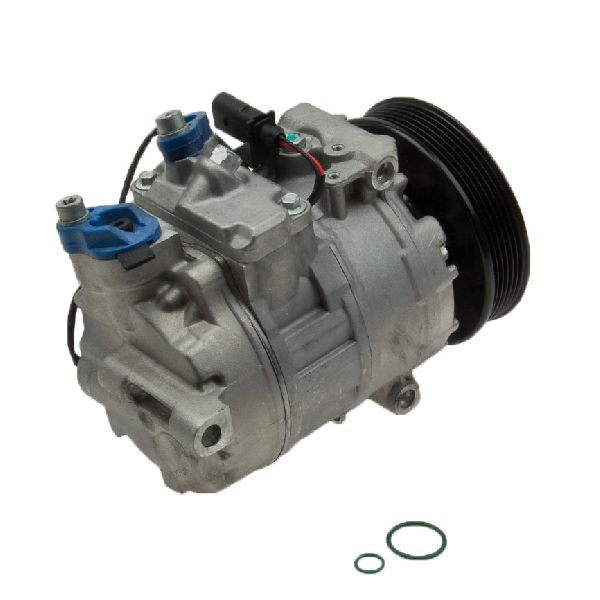
We Have This Part in Stock

The information in this article is provided for general reference and educational purposes only. Vehicle specifications, procedures, and part compatibility can vary by production date, trim level, and region. Always consult your vehicle's factory service manual and verify part numbers before purchasing or performing repairs. Safety-critical components such as airbags, seat belts, and braking systems should be installed by a qualified professional.
- Audi Q7: