

Guide to Relays for the 2007-2008 Honda Fit: A/C, Fuel Pump, and Starter
Learn to diagnose and replace the small but critical relays that control your Fit's essential systems.
- A single multi-purpose relay is used for many systems, including the A/C, fuel pump, and starter.
- Symptoms directly point to the failed relay: warm A/C, crank-no-start (fuel), or no-crank (starter).
- Replacement is a very easy DIY job that involves locating the correct fuse box and swapping the plug-in relay.
- For critical components like the fuel pump, an OEM relay is recommended for reliability; aftermarket is a good value for the A/C.
Understanding Relays in Your Honda Fit

If a key system in your 2007-2008 Honda Fit suddenly stops working, the problem might not be the expensive component itself, but the small, inexpensive relay that controls it. Many owners first suspect a failed A/C compressor or fuel pump, when the true culprit is a simple plug-in relay that costs less than a tank of gas. The 2007-2008 Fit uses a common multi-purpose relay (often OEM part number 39794-SDA-A05) for several different functions, making diagnosis and replacement straightforward.
Symptoms of a Failing Relay

The symptoms of a bad relay depend entirely on which system it controls. Here are the most common failures for the Honda Fit:
- Bad A/C Compressor Relay: This is a very common issue. The most obvious symptom is the air conditioning blowing warm or room-temperature air because the compressor isn't turning on. You might notice that the A/C works intermittently or that you no longer hear the distinct "click" of the compressor clutch engaging when you turn the A/C on.
- Bad Fuel Pump Relay: A faulty fuel pump relay will prevent your car from starting. The engine will crank over but will not fire up because the fuel pump is not sending gasoline to the engine. 🎬 Watch: How to find and test the fuel pump relay A key sign is the lack of a faint humming or whining sound from the rear of the car for a couple of seconds when you first turn the key to the "ON" position.
- Bad Starter Relay: This also results in a no-start condition, but the symptoms are different. When you turn the key to start the car, you may hear a single click from under the dash, or nothing at all. The engine will not crank over.
Choosing the Right Aftermarket Part

When replacing a relay in your Fit, you have a choice between an original equipment manufacturer (OEM) part from a Honda dealer and an aftermarket part.
- OEM Relays: Made by Honda's original suppliers (like Mitsuba or Denso), these are guaranteed to fit and meet the original quality standards. For critical relays like the fuel pump or starter, many mechanics recommend OEM to ensure reliability and avoid being stranded.
- Aftermarket Relays (Replacement Brand): Aftermarket brands like 'Replacement' offer a significant cost saving. For a less critical part like an A/C relay, an aftermarket option is a very popular and budget-friendly choice. While quality can be very good, it is generally accepted that they may not have the same long-term durability as an OEM part.
Pro Tip: The Swap Test
Your Fit uses the same type of relay for multiple functions (e.g., the horn and the A/C compressor). If you suspect your A/C relay is bad, you can swap it with the horn relay. If the A/C starts working and the horn stops, you've confirmed the relay is the problem. This is a free and effective diagnostic trick.
Installation and Location

Replacing a relay is one of the easiest DIY jobs you can do. Your Fit has two main fuse/relay boxes.
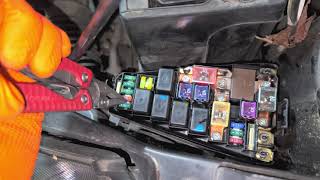
- Under-Hood Box: Located on the driver's side of the engine bay. This box contains the A/C compressor relay. 🎬 Watch: Locate and check your A/C relay and fuses
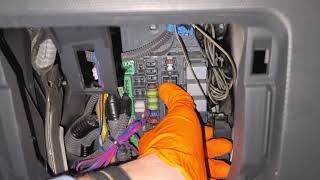
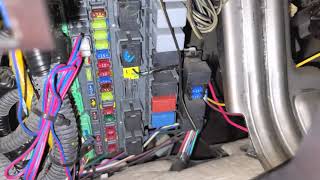
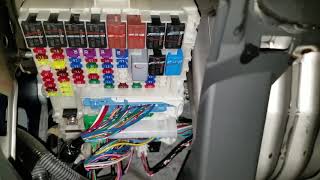
- Under-Dash Box: Located inside the car, under the dashboard on the driver's side. You'll need to remove a small cover panel to access it. This box contains the fuel pump and starter relays. 🎬 See this guide to finding the starter relay and fuses
To replace a relay, simply consult the diagram on the fuse box lid to find the correct one, pull the old one straight out (you may need to wiggle it), and push the new one firmly into place.
Important Vehicle Recall Information
While there are no specific recalls for relays on the 2007-2008 Honda Fit, there is a significant safety recall for the driver's side master power window switch. Due to potential water intrusion, this switch can overheat, creating a fire risk. It is highly recommended to check with a Honda dealer or the NHTSA website to ensure this recall has been performed on your vehicle.
| Part Type | Price Range |
|---|---|
| New OEM | $22 - $32 |
| New Aftermarket | $10 - $19 |
| Used OEM | Not Recommended |
| Shop Labor | $50 - $100 |
Frequently Asked Questions (FAQ)
Which relay do I need for my Honda Fit?
The 2007-2008 Fit uses a common 4-pin "micro ISO" relay for many functions. The OEM part number is typically 39794-SDA-A05. An aftermarket equivalent will work for the A/C, fuel pump, starter, and other systems. Always confirm the part by symptom before ordering.
Can I replace a relay myself?
Yes, absolutely. Replacing a relay is a simple plug-and-play job that requires no special tools and takes only a few minutes. It's a great first DIY repair for any car owner.
Why does my A/C still not work after replacing the relay?
If a new relay doesn't fix the problem, other issues could be present. For the A/C system, this could include a blown fuse, low refrigerant levels, a faulty pressure switch, or a seized compressor. The relay is simply the easiest and cheapest part to check first.
Is it safe to use a cheaper aftermarket relay?
For systems like the air conditioning or horn, an aftermarket relay is a perfectly reasonable, cost-effective choice. For critical systems like the fuel pump, which can leave you stranded if it fails, spending a little extra for an OEM relay is often recommended for peace of mind and proven reliability.
Helpful Videos
Technical Specifications
OEM Part Numbers: 39794-SDA-A05 39794-SDA-A01 39794-SDA-A03 39794-SDA-A04
4-Pin Micro ISO Relay

The information in this article is provided for general reference and educational purposes only. Vehicle specifications, procedures, and part compatibility can vary by production date, trim level, and region. Always consult your vehicle's factory service manual and verify part numbers before purchasing or performing repairs. Safety-critical components such as airbags, seat belts, and braking systems should be installed by a qualified professional.
- Honda Fit: