

Toyota Tundra Oxygen Sensor Replacement Guide (2006-2021)
Everything you need to know about replacing the oxygen sensors on your 2006-2021 Toyota Tundra.
- Denso is the OEM manufacturer for Toyota Tundra oxygen sensors; choosing this brand ensures quality and fit.
- Always use a code scanner first to identify exactly which sensor has failed before buying a replacement.
- Choose a 'direct-fit' sensor to avoid wiring issues; avoid cheap, universal-fit sensors.
- Sensors can be very difficult to remove due to rust; use penetrating oil and the correct O2 sensor socket.
Is Your Tundra's Oxygen Sensor Failing?

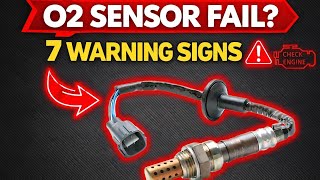
A failing oxygen sensor can cause a range of issues, from annoying to severe. The most obvious sign is the Check Engine Light on your dashboard. Other common symptoms include a noticeable drop in fuel economy, a rough or uneven idle, and hesitation or sluggishness when you accelerate. In some cases, you might even smell a 'rotten egg' odor from the exhaust, which indicates a problem with the fuel mixture that could damage your catalytic converters over time.
🎬 Watch: 7 symptoms of a bad oxygen sensor you shouldn't ignore.Choosing the Right Aftermarket Oxygen Sensor

When it comes to sensors, quality and compatibility are key. For your Toyota Tundra, not all aftermarket brands are created equal. It's important to choose a direct-fit sensor to avoid cutting and splicing wires.
Brand Quality Tiers for Toyota Tundra
- OEM-Equivalent (Best Quality): Denso is the original equipment manufacturer (OEM) for Toyota. Choosing a Denso sensor is the closest you can get to buying the part from a Toyota dealership, ensuring perfect fitment and performance without the dealership price tag.
- High-Quality Aftermarket: Brands like Bosch and NGK (also known as NTK for sensors) are reputable and produce high-quality sensors that are a reliable alternative to OEM. They are trusted names in the industry and offer a good balance of price and performance.
- Standard Aftermarket: Brands like Walker Products, Spectra, and Delphi offer functional, budget-friendly options. While they can work, some professional mechanics and Tundra owners in forums report mixed results on longevity compared to Denso or Bosch.
- Budget/Economy: Brands like DriveWire fall into the economy category. While they are the most affordable, be cautious with very low-priced sensors, especially from unverified online sellers, as counterfeit parts are a known issue.
A Note on Universal Sensors
Avoid "universal" oxygen sensors. These require you to cut your Tundra's factory wiring and splice the new sensor in. This can lead to connection problems and incorrect readings. Always choose a "direct-fit" sensor with the correct plug for your specific year and engine.
Common Ordering Mistakes

The 2006-2021 Tundra came with different engines (4.0L V6, 4.7L V8, 5.7L V8). Each may use different oxygen sensors. Furthermore, the upstream (air/fuel ratio) and downstream (heated oxygen) sensors are not interchangeable. Always use a code scanner to identify which specific sensor has failed (e.g., "Bank 1, Sensor 2") before ordering. Double-check the part number against your vehicle's specific year, engine, and sensor location.
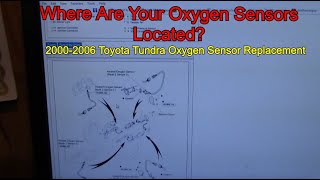
🎬 See this step-by-step replacement walkthrough for 2006-2010 Tundras.Known Issues, Recalls, and TSBs
While there are no widespread, active recalls for oxygen sensors on most 2006-2021 Tundras, Toyota did issue a Special Service Campaign (SSC) in 2016 for some vehicles. This campaign addressed potential wire degradation inside the O2 sensor harness due to vehicle vibration, which could cause the check engine light to illuminate. If you are experiencing O2 sensor codes, it's worth checking if your vehicle was covered under this or similar service bulletins. You can check for recalls and TSBs using your VIN on the NHTSA website.
Pro Tip: Replacing the Sensors
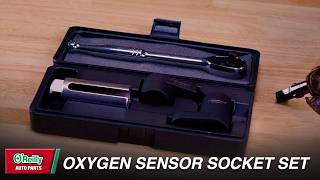
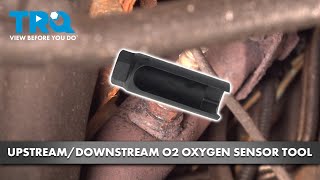
Replacing an O2 sensor can be a DIY job, but the sensors are often seized in the exhaust pipe due to rust. Let the exhaust cool completely, spray the old sensor's threads with penetrating oil, and use a special O2 sensor socket with a slit for the wire. Applying anti-seize compound to the threads of the new sensor will make future replacements much easier.
🎬 Watch: How to properly use an oxygen sensor socket set.Cost of Replacing a Toyota Tundra Oxygen Sensor
| Item | Estimated Cost |
|---|---|
| New Aftermarket Sensor | $40 - $275 |
| New OEM (Dealer) Sensor | $150 - $300+ per sensor |
| Shop Labor | $100 - $300 per sensor |
| Total Professional Replacement (Aftermarket Part) | $140 - $575 |
| Total Professional Replacement (OEM Part) | $250 - $600+ |
Frequently Asked Questions (FAQ)

How many oxygen sensors does my Tundra have?
Most V8-equipped Toyota Tundras from 2006-2021 have four oxygen sensors. There are two upstream sensors (one for each cylinder bank, called Bank 1 and Bank 2) and two downstream sensors. V6 models will have two sensors. Always verify the exact number for your specific engine.
What is the difference between an upstream and downstream sensor?
Upstream sensors (also called Air/Fuel Ratio Sensors or Sensor 1) are located before the catalytic converter. They provide critical data for controlling the engine's air-fuel mixture. Downstream sensors (Sensor 2) are located after the catalytic converter and primarily monitor its efficiency.
Can I clean my Tundra's oxygen sensor?
While some online sources suggest cleaning O2 sensors, it is not a recommended or reliable long-term fix. The sensing elements become contaminated internally over time, and cleaning the exterior shield won't restore their proper function. Replacement is the only guaranteed solution.
Do I need a special tool to replace an oxygen sensor?
Yes, it is highly recommended. A special oxygen sensor socket, which has a cutout on the side for the sensor's wire, makes the job much easier and helps prevent damage to the new sensor during installation. Sometimes a simple 22mm wrench can work, but the socket is the proper tool.
Should I replace all four sensors at once?
If one sensor fails due to high mileage (over 80,000-100,000 miles), the others are likely near the end of their service life as well. While you only need to replace the one that has failed, if your budget allows, replacing them in pairs (both upstream or both downstream) or all four at once can save you future labor and prevent repeat issues.
Helpful Videos
Technical Specifications
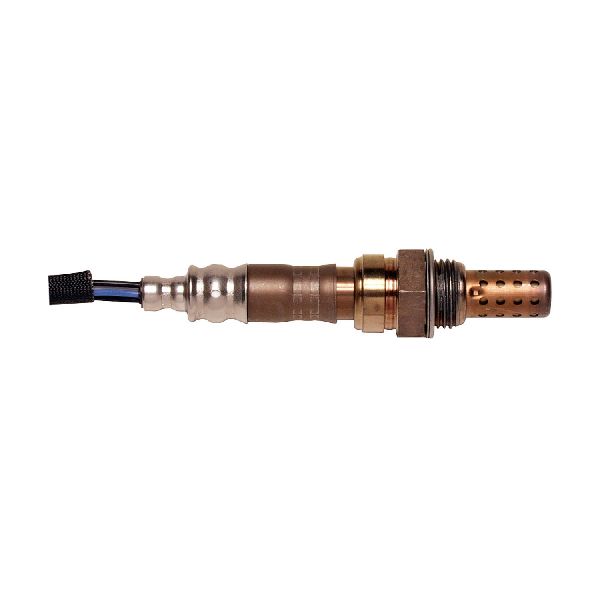
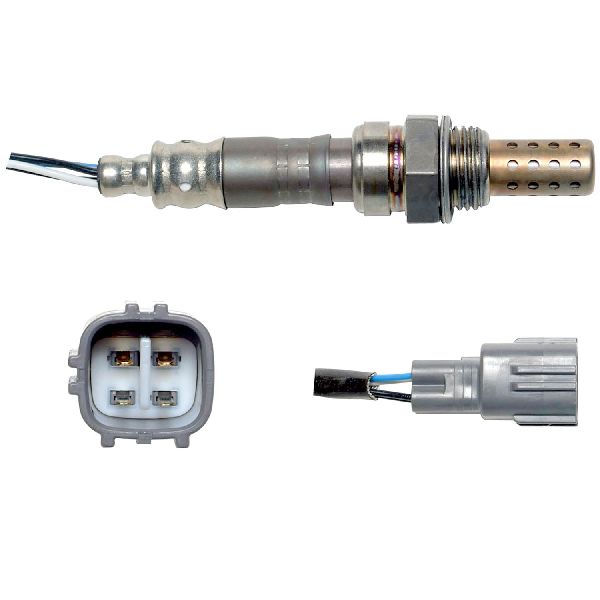
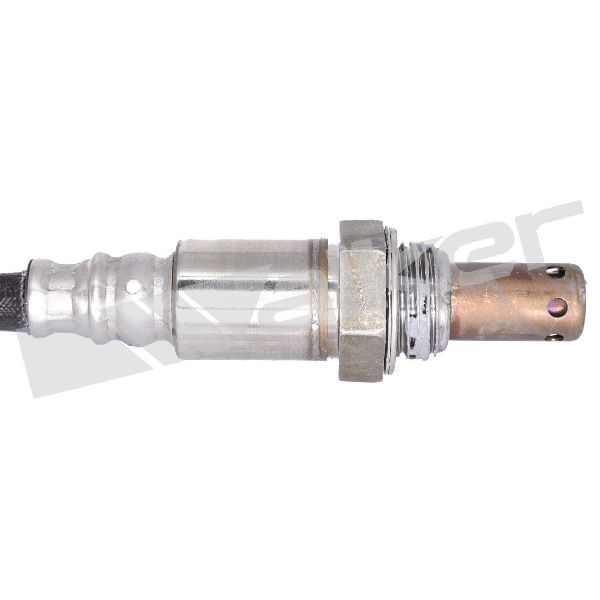
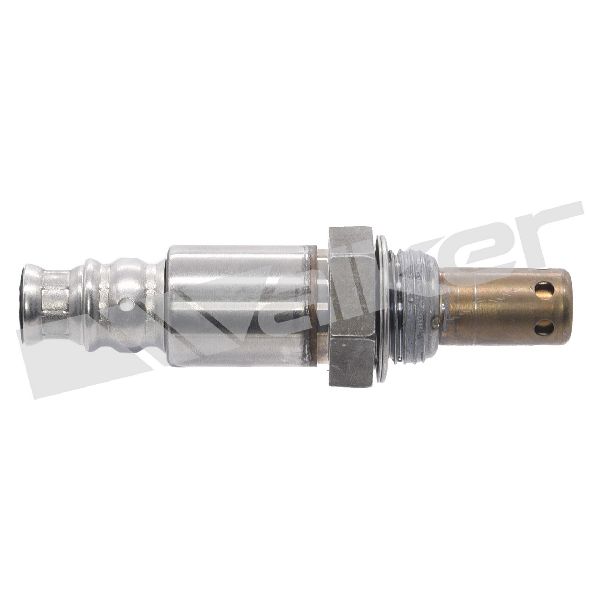
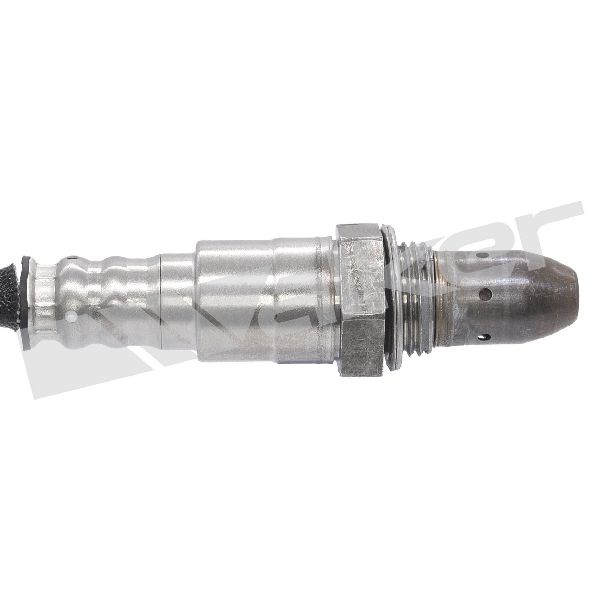
Toyota Tundras in this year range typically use four-wire heated oxygen sensors. Upstream sensors are often wideband Air/Fuel Ratio sensors, while downstream are standard O2 sensors. Connectors and wire lengths are specific to the location (Bank 1/2, Sensor 1/2) and engine type (4.0L, 4.7L, 5.7L). A 22mm wrench or specialized socket is required for removal and installation.
We Have This Part in Stock


The information in this article is provided for general reference and educational purposes only. Vehicle specifications, procedures, and part compatibility can vary by production date, trim level, and region. Always consult your vehicle's factory service manual and verify part numbers before purchasing or performing repairs. Safety-critical components such as airbags, seat belts, and braking systems should be installed by a qualified professional.
- Toyota Tundra: