

Guide to the 2006-2020 Toyota Tacoma Knock Sensor: V6 vs. 4-Cylinder
Don't let a check engine light for a knock sensor sideline your Tacoma; here's what you need to know.
- On V6 Tacomas, the knock sensors are under the intake manifold, making replacement a very labor-intensive and expensive job.
- The wiring harness is a common failure point, often due to rodent damage; always inspect it and plan to replace it with the sensors.
- Due to the high labor cost for the V6, using high-quality OEM or premium aftermarket sensors is strongly recommended to avoid repeat repairs.
- For 4-cylinder models, the replacement is much simpler and cheaper as the sensor is more accessible.
Understanding Knock Sensor Failure in Your Tacoma

A knock sensor code on a 2006-2020 Toyota Tacoma is a common issue, but the cause and solution can vary dramatically depending on your engine. The V6 (4.0L 1GR-FE and 3.5L 2GR-FKS) and 4-cylinder (2.7L 2TR-FE) engines have very different repair procedures. A check engine light is the most common symptom, often with codes like P0325, P0328, P0330, or P0333. When these codes appear, the truck's computer may enter a 'limp mode,' reducing power and fuel economy to prevent potential engine damage.
V6 vs. 4-Cylinder: A Tale of Two Repairs
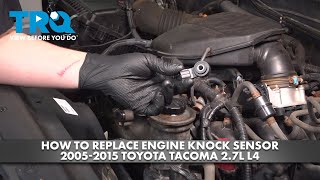
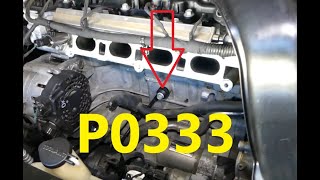
For owners of the 4-cylinder Tacoma, a knock sensor replacement is a relatively straightforward and inexpensive job. The sensor is located on the side of the engine block and is fairly accessible. 🎬 Watch: Step-by-step knock sensor replacement for the 2.7L 4-cylinder engine. However, for V6 owners, the story is much different. The two knock sensors are buried deep in the engine valley, underneath the entire lower intake manifold. This makes the replacement an extremely labor-intensive process, often taking a professional mechanic 5-8 hours or more. 🎬 Watch this DIY walkthrough for V6 knock sensor and harness repair. Because of the high labor cost, it's critical to diagnose the problem correctly and use reliable parts.
Check the Wiring Harness First!
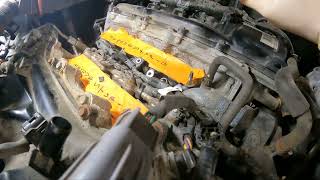
On V6 models, the wiring harness for the knock sensors is a frequent point of failure. It sits in the engine valley where it's exposed to heat and, very commonly, rodents looking for a place to nest. Many owners report finding chewed wires as the true cause of their knock sensor codes. 🎬 See what rodent damage to a Tacoma wiring harness looks like. Before condemning the sensors themselves, a thorough inspection of the harness is essential. Due to the high labor involved, most mechanics recommend replacing the harness along with the sensors, regardless of its condition.
Choosing the Right Aftermarket Knock Sensor

When facing a high-labor repair like the V6 knock sensor replacement, parts quality is critical. You don't want to pay for the same job twice. While OEM sensors from Toyota are the benchmark for reliability, a quality aftermarket part can offer significant savings.
- OEM (Original Equipment Manufacturer): These are the same parts Toyota installs at the factory, often made by Denso. They offer the highest assurance of fit and function but come at a premium price. Many forum users strongly recommend OEM for this specific job to avoid repeat failures.
- Premium Aftermarket (e.g., Replacement, NGK, Delphi): Reputable aftermarket brands provide a balance of quality and value. These parts are designed to meet or exceed OEM specifications and are a reliable choice for budget-conscious owners. For a high-labor job, choosing a top-tier aftermarket brand is a safer bet than a generic, unbranded part.
- Economy Aftermarket: While the low price is tempting, using a cheap, unproven sensor is a major gamble on the V6 Tacoma. A premature failure would mean paying for the expensive labor all over again. Many experienced owners and mechanics advise against it.
Pro Tip: While the intake manifold is off, it's the perfect time to replace related gaskets, such as the intake manifold gaskets and throttle body gasket, to prevent future leaks. Also, clean the throttle body and intake surfaces for better performance.
Cost of Knock Sensor Replacement for Toyota Tacoma (2006-2020)

| Part/Service | Estimated Cost (V6 Engine) | Estimated Cost (4-Cyl Engine) |
|---|---|---|
| New OEM Knock Sensor (Each) | $130 - $265 | $130 - $265 |
| New Aftermarket Knock Sensor (Each) | $20 - $75 | $20 - $75 |
| Shop Labor | $600 - $1,800+ | $100 - $250 |
| Total (Aftermarket Parts + Labor) | $640 - $1,950+ | $120 - $325 |
| Total (OEM Parts + Labor) | $860 - $2,300+ | $230 - $515 |
Note: Costs are estimates and can vary based on location, shop rates, and the specific parts used. V6 estimates assume replacement of both sensors and the harness.
Frequently Asked Questions

What are the main symptoms of a bad knock sensor on a Tacoma?
The most common symptom is a solid check engine light. You may also experience poor acceleration, reduced fuel economy, and a general lack of engine power as the ECU defaults to a safe mode. An audible engine pinging or knocking noise is possible but less common, as the computer usually retards timing to prevent it.
Can I drive my Tacoma with a bad knock sensor?
Yes, but it's not recommended for long. The truck's computer will protect the engine by reducing power and performance ('limp mode'). This leads to poor gas mileage and sluggish acceleration. You should get the issue diagnosed and repaired as soon as possible to restore normal operation and prevent any potential long-term issues.
Where are the knock sensors located on a Toyota Tacoma?
On the 4-cylinder (2.7L) engine, the single knock sensor is on the side of the engine block, under the intake manifold. On V6 (4.0L and 3.5L) engines, there are two sensors located in the 'V' of the engine, underneath the lower intake manifold assembly. Accessing them requires removing the upper and lower intake manifolds.
Is there a recall for the Toyota Tacoma knock sensor?
No, there are no specific recalls for the knock sensor or its wiring on the 2006-2020 Toyota Tacoma according to NHTSA searches. However, the wiring harness is a very well-documented failure point, often due to rodent damage. Some owners have successfully filed claims with their comprehensive auto insurance to cover repairs caused by rodents.
Helpful Videos
Technical Specifications
OEM Part Numbers: 89615-06010 89615-20090 89615-12040 89615-12050
Varies by engine. V6 models use two sensors located in the engine valley. 4-cylinder models use one sensor on the engine block. The wiring harness for the V6 sensors is a separate, and commonly replaced, part.

The information in this article is provided for general reference and educational purposes only. Vehicle specifications, procedures, and part compatibility can vary by production date, trim level, and region. Always consult your vehicle's factory service manual and verify part numbers before purchasing or performing repairs. Safety-critical components such as airbags, seat belts, and braking systems should be installed by a qualified professional.
- Toyota Tacoma: